
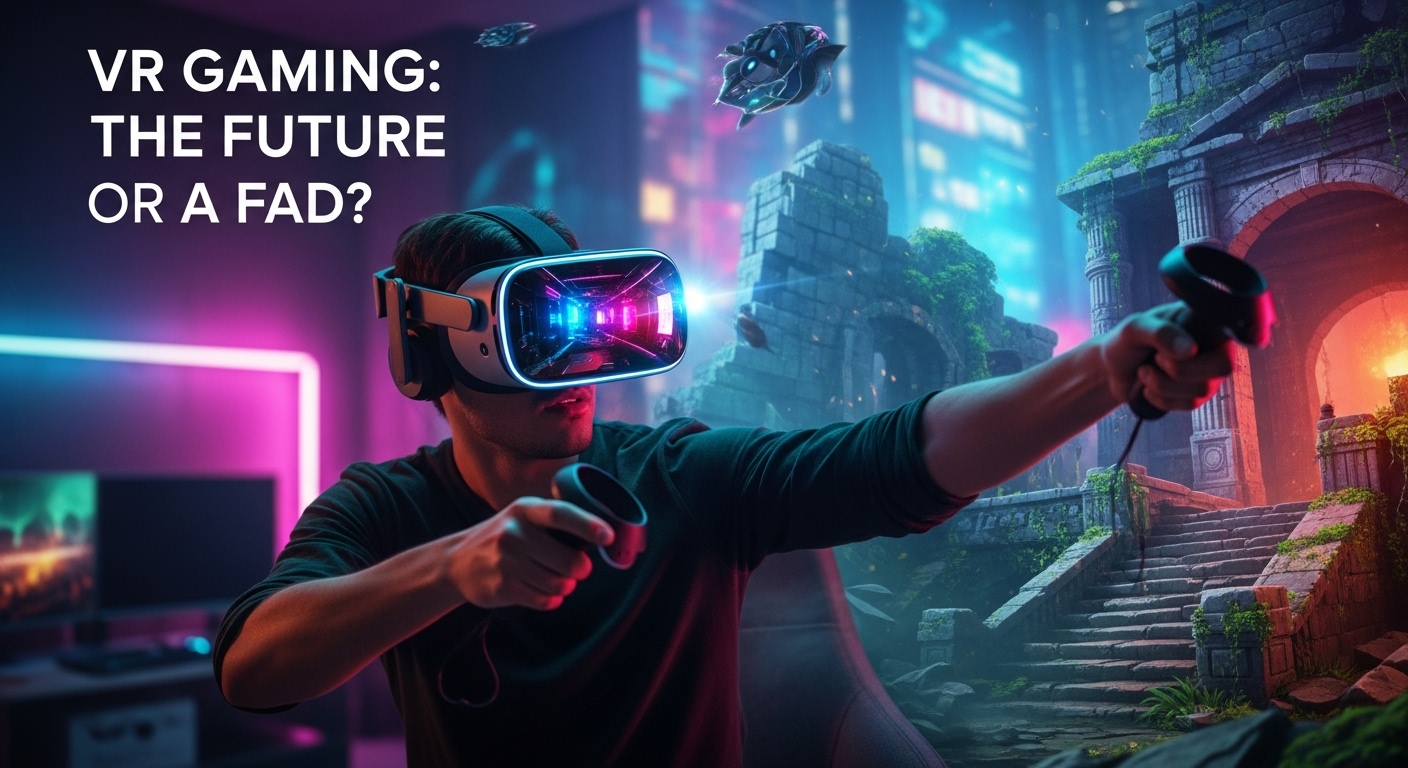
The world of gaming has evolved from a casual hobby into a full-fledged lifestyle that blends technology, comfort, and creativity. For many gamers, building the ultimate gaming setup is not just about having the most powerful equipment but also about designing an immersive environment that enhances performance, comfort, and aesthetics. Whether you are a professional streamer, a competitive esports player, or a casual gamer who enjoys exploring virtual worlds, the right setup can transform your gaming experience. This guide will walk you through everything you need to know about building the ultimate gaming setup, covering hardware, accessories, ergonomics, and personalization.
Understanding the Foundation of a Gaming Setup
Before diving into the specifics of hardware and design, it is important to understand the foundation of a gaming setup. At its core, a gaming setup is a combination of three major elements: the gaming hardware, the playing environment, and the accessories that enhance usability. Each of these elements needs to work together to create an experience that is both powerful and comfortable. Many beginners make the mistake of focusing only on powerful hardware without considering how the space, lighting, or ergonomics contribute to long-term enjoyment. The ultimate gaming setup requires balance, where every component has a purpose and contributes to performance and immersion.
Choosing the Right Gaming Platform
One of the first decisions to make when building your setup is choosing the platform on which you will play. Gamers today have three major options: PC gaming, console gaming, or a hybrid setup that accommodates both. PC gaming offers the highest level of customization and raw power, making it a favorite for competitive players and content creators. Consoles such as the PlayStation, Xbox, or Nintendo Switch offer simplicity, exclusive titles, and couch-friendly experiences. A hybrid setup caters to versatility, allowing you to enjoy both PC performance and console exclusivity. The platform you choose will dictate the type of desk, monitor, and accessories you require, so it is crucial to decide early in the process.
Building a High-Performance Gaming PC
For those who choose PC gaming, building a powerful gaming rig is often the most exciting step. A gaming PC consists of several key components: the central processing unit (CPU), graphics processing unit (GPU), random access memory (RAM), storage, and motherboard. The GPU is the heart of gaming performance, determining how smoothly games run and how visually stunning they look. A strong CPU complements the GPU, ensuring that no bottlenecks limit performance. Adequate RAM, typically 16 to 32 gigabytes for modern gaming, is essential for smooth multitasking and faster load times. Solid-state drives (SSDs) provide lightning-fast storage compared to traditional hard drives. Custom cooling solutions, including liquid cooling, not only keep the system efficient but also add a futuristic aesthetic. Building or upgrading a gaming PC requires balancing performance and budget, with the flexibility to upgrade over time.
Optimizing Console Gaming Hardware
Console gamers may not have the same level of hardware customization as PC players, but optimizing the console environment is equally important. A PlayStation or Xbox paired with a 4K television or gaming monitor can provide stunning visuals. For the Nintendo Switch, investing in a comfortable dock and external controllers can greatly enhance handheld-to-TV transitions. Adding external storage can also ensure you have enough space for an expanding library of digital games. Some console gamers choose to integrate capture cards, allowing them to record or stream gameplay directly to platforms like Twitch or YouTube. Ultimately, console setups thrive when they are designed for comfort, simplicity, and immersive visuals.
Selecting the Perfect Gaming Monitor or TV
The display is one of the most important elements in your setup, as it directly influences how you experience your games. PC gamers typically opt for high-refresh-rate monitors, with 144Hz or 240Hz being the gold standard for competitive play. Resolution also plays a role, with 1440p and 4K displays offering crisp details and vibrant visuals. Console gamers often prefer large-screen televisions with HDR support to fully enjoy cinematic titles. Response time, refresh rate, and screen size should be considered together to ensure the display matches your gaming style. Some setups even incorporate dual or triple monitors for multitasking, streaming, or creating a panoramic field of view.
Crafting the Ideal Gaming Desk
A gaming desk is more than just a surface for your equipment; it is the stage upon which your entire setup rests. The right desk should provide enough space for monitors, keyboards, consoles, and decorative elements while also promoting good posture. Many modern gaming desks feature cable management systems, built-in charging stations, and customizable height adjustments. L-shaped desks are popular for gamers who need multiple screens or wish to separate their work and play areas. The material and design of the desk also contribute to the overall aesthetic, with sleek metal and wood finishes being common in modern setups. Investing in a sturdy and spacious desk ensures that your setup remains functional and visually pleasing.
The Importance of a Comfortable Gaming Chair
Long gaming sessions require a chair that supports your body and prevents fatigue. The gaming chair has become an iconic part of the ultimate setup, often styled after racing seats for ergonomic support. However, not all gaming chairs are created equal. A truly great chair provides adjustable lumbar support, reclining features, armrest adjustments, and breathable material. For those who prefer a subtler look, ergonomic office chairs are also excellent choices, often providing superior long-term comfort. A good chair protects your back, enhances posture, and ensures that marathon gaming sessions remain enjoyable rather than painful.
Choosing the Right Keyboard and Mouse
For PC gamers, the keyboard and mouse are the primary tools of control. Mechanical keyboards are highly popular, offering tactile feedback and customizable switches to suit different playstyles. Many keyboards also feature RGB lighting, macros, and wrist rests for added comfort and flair. The gaming mouse is equally important, with adjustable DPI settings, ergonomic designs, and programmable buttons that cater to different genres. Competitive first-person shooter players often prefer lightweight mice for precision, while MMO players may opt for mice with multiple programmable buttons. The synergy between keyboard and mouse can elevate gameplay to a new level of responsiveness and customization.
Gamepads and Controllers for All Platforms
Even PC gamers often rely on controllers for certain types of games, such as racing, platformers, or sports titles. Modern controllers like the Xbox Elite or PlayStation DualSense offer advanced haptics, customizable buttons, and responsive triggers. Controllers enhance immersion and provide flexibility across platforms, especially when paired with wireless adapters. Specialized controllers, such as racing wheels or fight sticks, can also elevate niche gaming experiences. Having a reliable controller as part of your setup ensures that you are ready for every type of game.
The Role of Headsets and Audio Systems
Sound is an often-overlooked element of the ultimate gaming setup. A high-quality headset provides immersive surround sound, clear communication with teammates, and noise isolation for focused gaming. Wireless headsets reduce cable clutter, while wired models often deliver superior audio fidelity. For those who prefer external audio, a set of high-quality speakers or a soundbar can create a cinematic environment. Dedicated microphones are also popular among streamers and content creators, ensuring crystal-clear communication and commentary. Audio should never be an afterthought, as it adds another dimension to the gaming experience.
Mastering Cable Management
No matter how powerful or beautiful your hardware may be, messy cables can ruin the aesthetics and functionality of your setup. Cable management is the unsung hero of a professional-looking gaming space. Using cable sleeves, clips, and under-desk trays can keep wires hidden and organized. Wireless accessories also help reduce clutter, though some gamers prefer wired devices for reliability. A clean setup not only looks better but also makes maintenance easier and reduces the risk of accidental disconnections.
Enhancing Atmosphere with Lighting
Lighting has become a defining feature of modern gaming setups. RGB lighting, smart LED strips, and backlit panels can create a dynamic environment that matches the mood of your game. Some setups synchronize lighting with in-game events, further enhancing immersion. Proper lighting is not just about aesthetics; it also reduces eye strain and improves focus. Natural light from windows can complement artificial lighting, but blackout curtains or shades are useful for controlling brightness during daytime sessions. By blending functionality and style, lighting transforms an ordinary gaming space into a personalized sanctuary.
Personalizing Your Space with Decor
The ultimate gaming setup reflects the personality of the gamer. Posters, collectibles, action figures, or themed wall art can make the space feel unique. Minimalists may prefer a sleek and clutter-free design, while others enjoy showcasing their love for favorite franchises through memorabilia. Plants and ambient decorations can soften the technological feel of a setup, creating a balance between digital and natural aesthetics. Personalization makes the gaming setup more than just a technical station; it turns it into an extension of identity and creativity.
Incorporating Streaming and Content Creation Tools
With the rise of streaming and content creation, many gamers are building setups that double as mini production studios. This often includes a high-quality webcam, a professional microphone, ring lights, and green screens. Capture cards allow console players to record or broadcast gameplay, while dual-PC setups offer advanced streaming capabilities. For aspiring content creators, integrating these tools seamlessly into the setup ensures a smooth workflow without compromising the gaming experience. The ultimate setup should be ready not just for playing but also for sharing those experiences with the world.
Prioritizing Internet Connectivity
Lag is the enemy of every gamer, making internet connectivity one of the most important considerations in a setup. A wired Ethernet connection provides the most stable and fastest speeds, but high-quality Wi-Fi routers can also deliver excellent performance. Mesh Wi-Fi systems are especially useful for larger homes. Gamers who stream or play competitive titles should invest in high-speed internet plans to minimize latency and packet loss. Prioritizing internet connectivity ensures that your powerful hardware is not undermined by poor network performance.
The Role of Storage and Game Libraries
Modern games require massive amounts of storage, making a robust system essential. External hard drives, cloud-based libraries, and expandable SSDs help keep your collection accessible. Organizing your game library, whether digital or physical, also contributes to a more enjoyable experience. Many gamers build display shelves for physical copies or create well-structured digital folders for ease of access. Storage is not just about space but also about creating a seamless experience where games are always ready to play.
Balancing Comfort and Health
The ultimate gaming setup must balance performance with health and comfort. Adjustable desks that allow standing or sitting, proper monitor height, and chairs with lumbar support protect against long-term injuries. Taking regular breaks, staying hydrated, and ensuring proper ventilation in the room are often overlooked but critical aspects of a sustainable setup. A gaming environment that promotes health ensures that gaming remains enjoyable for years to come.
Budgeting and Prioritization
Building the ultimate gaming setup does not mean buying everything at once. It requires strategic budgeting and prioritization. Identify which components are most important for your gaming style. For competitive gamers, investing in a powerful GPU and high-refresh-rate monitor may take priority. For streamers, a professional microphone and lighting setup may be more essential. Budget-friendly alternatives and gradual upgrades allow gamers to build their dream setup over time without overspending. The key is to focus on balance, ensuring that each addition contributes meaningfully to the overall experience.
The Future of Gaming Setups
As technology continues to advance, gaming setups will become even more immersive and integrated. Virtual reality, augmented reality, and cloud gaming are shaping the future, requiring new hardware and room designs. Smart home technology may soon synchronize gaming spaces with voice commands, automated lighting, and adaptive audio environments. The ultimate gaming setup of tomorrow will not just be about raw power but also about seamless integration of technology into everyday life. Gamers who build with flexibility in mind will be best prepared to embrace these innovations.
Conclusion
Building the ultimate gaming setup is both a science and an art. It combines powerful hardware with thoughtful design, ergonomic comfort with personal expression, and performance with atmosphere. Whether you are building a high-end PC rig, a cozy console station, or a hybrid setup that blends both worlds, the key is to create a space that enhances your enjoyment of gaming. From the desk and chair to the lighting and audio, every detail contributes to the final experience. The ultimate gaming setup is not defined by price or brand names but by how well it serves the gamer’s needs, style, and passion. With careful planning and creativity, anyone can build a gaming setup that feels truly ultimate.