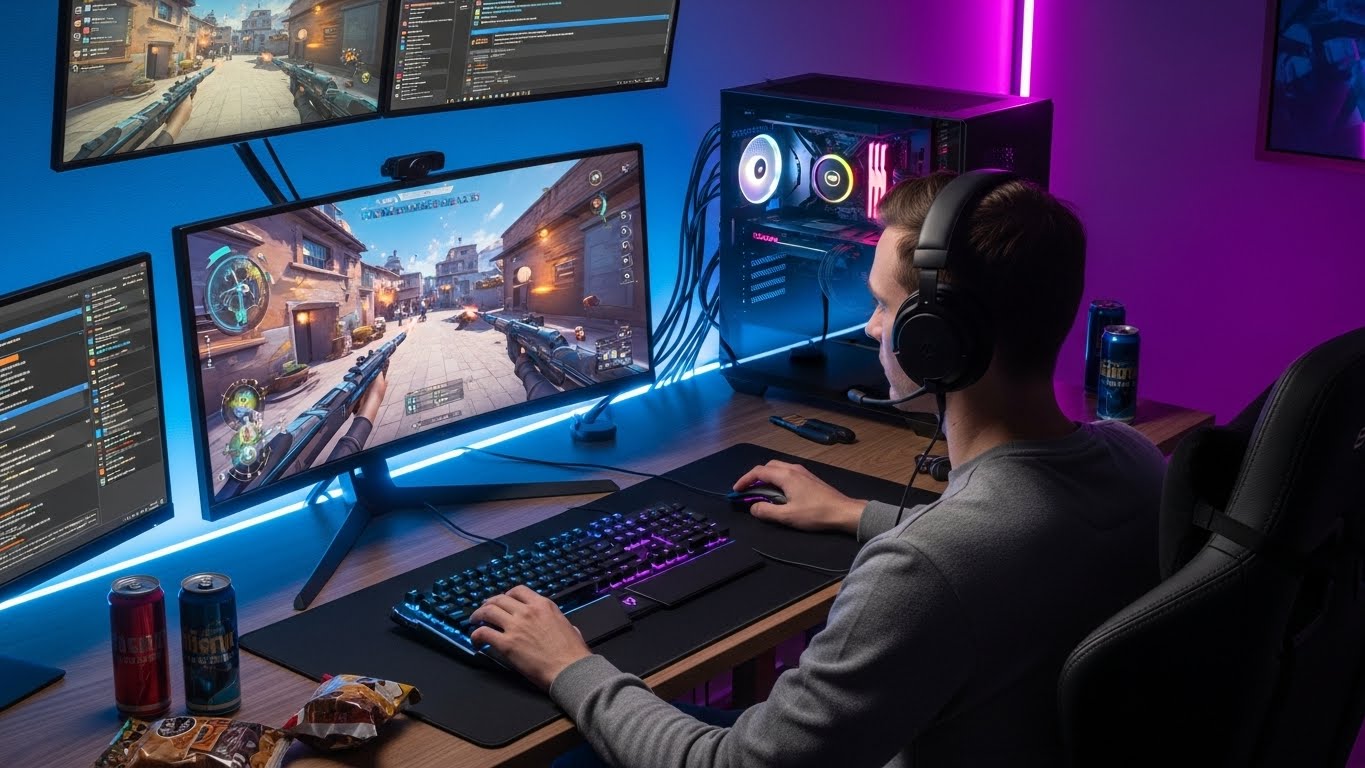
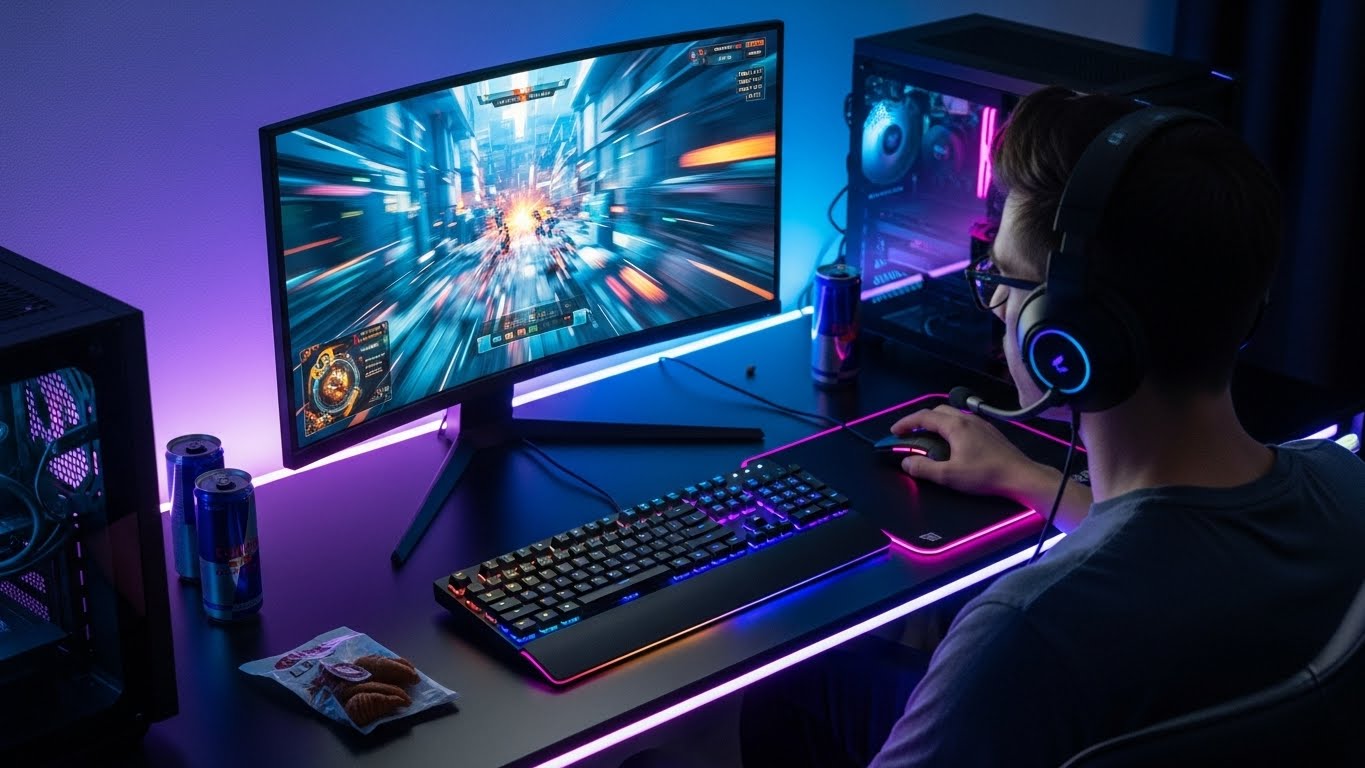
Gaming has evolved from a simple pastime to a global phenomenon, influencing culture, entertainment, and even technology. From arcade machines to immersive virtual reality experiences, gaming has captured the imaginations of millions worldwide. What was once considered a niche hobby is now a thriving industry, shaping social interactions, professional opportunities, and technological innovation. This blog explores the fascinating world of gaming, its evolution, benefits, challenges, and the future it holds.
The Evolution of Gaming
The history of gaming stretches back decades, reflecting both technological advancements and shifts in human culture. Early video games in the 1970s, such as Pong and Space Invaders, introduced digital entertainment to arcades and homes. These simple pixelated experiences laid the foundation for the gaming industry, sparking interest in interactive storytelling and competition.
The 1980s and 1990s saw the rise of home consoles, including the Nintendo Entertainment System and Sega Genesis, bringing gaming into living rooms across the world. This era introduced iconic franchises like Mario, Sonic, and The Legend of Zelda, fostering fan communities and brand loyalty. The advent of online gaming in the late 1990s and early 2000s further transformed gaming, enabling players to connect and compete across borders.
Today, gaming encompasses console, PC, mobile, and cloud-based experiences. Virtual reality, augmented reality, and esports have redefined how games are played and consumed. The evolution of gaming reflects the convergence of technology, creativity, and social interaction, making it a significant part of modern culture.
The Diversity of Gaming Genres
Gaming is a diverse medium, offering experiences for players of all tastes and interests. Role-playing games (RPGs) immerse players in vast narratives, where decisions shape the story and character development. First-person shooters (FPS) test reflexes, strategy, and teamwork, creating fast-paced competitive experiences.
Simulation games, such as city builders and life simulators, offer creative and strategic challenges, allowing players to design and manage virtual worlds. Puzzle and strategy games sharpen critical thinking and problem-solving skills, while sports and racing games provide realistic recreations of real-world competitions.
This diversity ensures that gaming appeals to a broad audience, fostering creativity, skill development, and engagement across age groups and cultures.
Gaming as a Social Platform
Gaming is not just about individual enjoyment; it is a social experience. Multiplayer games enable players to collaborate, compete, and communicate in real time. Online communities, forums, and social media allow gamers to connect over shared interests, strategies, and achievements.
Esports has taken social gaming to a professional level, with organized tournaments, teams, and leagues attracting millions of viewers. Streaming platforms, such as live gameplay broadcasts, have created a culture where players and fans interact, share content, and form global communities. Gaming fosters relationships, teamwork, and a sense of belonging, demonstrating that it is as much about social connection as it is about play.
Cognitive and Educational Benefits of Gaming
Beyond entertainment, gaming offers significant cognitive benefits. Many games require strategic thinking, problem-solving, and resource management, helping players develop critical mental skills. Role-playing and adventure games enhance creativity and decision-making, while puzzle games improve analytical abilities.
Educational games are increasingly used in schools and training programs to teach subjects like mathematics, science, history, and language. Gamification—the integration of game elements into learning—motivates engagement, reinforces learning outcomes, and provides interactive experiences that traditional methods cannot achieve. Gaming, therefore, is not just fun; it is a tool for mental stimulation and personal growth.
Gaming and Emotional Well-being
Gaming can have a positive impact on emotional health. It provides an outlet for stress relief, offering immersion in engaging narratives or competitive gameplay. Completing challenging levels or achieving in-game goals boosts confidence, motivation, and satisfaction.
Games with cooperative or social components foster empathy and communication skills, as players work together to achieve common objectives. Gaming also provides a safe space to explore emotions, experience challenges, and develop resilience. When approached mindfully, gaming contributes to emotional balance and personal development.
The Rise of Esports
Esports has transformed gaming from a hobby into a professional industry. Competitive gaming involves organized tournaments, professional teams, and spectatorship comparable to traditional sports. Games like League of Legends, Dota 2, and Counter-Strike have massive fan bases, while prize pools for major tournaments reach millions of dollars.
Professional gamers train rigorously, just like athletes, focusing on strategy, reflexes, teamwork, and mental resilience. Esports has created career opportunities for players, coaches, analysts, content creators, and event organizers, highlighting gaming as a legitimate and thriving profession.
Technology and Innovation in Gaming
Gaming drives technological innovation. Graphics engines, virtual reality, augmented reality, and cloud gaming have transformed gameplay experiences, offering immersive worlds and realistic simulations. Artificial intelligence enhances non-player character behavior, creating dynamic and unpredictable challenges.
Hardware advancements, such as high-performance consoles, PCs, and mobile devices, enable faster processing, higher resolution, and smoother gameplay. Gaming has also influenced other industries, inspiring innovations in software development, animation, and interactive media. The continuous interplay between gaming and technology ensures a cycle of innovation that benefits multiple sectors.
Gaming Culture and Community
Gaming culture has grown into a rich and diverse ecosystem. Cosplay, fan art, conventions, and online forums celebrate the creativity and passion of gamers. Memes, fan theories, and community-driven content contribute to a shared identity among players.
Streaming platforms and content creation have turned gaming into a social and entertainment medium, where personalities and influencers engage audiences worldwide. Gaming culture promotes collaboration, creativity, and expression, making it a vibrant aspect of modern society.
Challenges in the Gaming Industry
Despite its growth, the gaming industry faces challenges. Excessive gaming can lead to addiction, social isolation, and neglect of responsibilities. Online harassment, toxicity, and cyberbullying remain concerns in multiplayer communities.
The industry also faces criticism over monetization strategies, including microtransactions, loot boxes, and predatory practices targeting vulnerable audiences. Ensuring fair, safe, and ethical gaming environments is a priority for developers, regulators, and communities alike.
The Future of Gaming
The future of gaming is filled with possibilities. Virtual reality, augmented reality, and cloud-based gaming will create more immersive and accessible experiences. Artificial intelligence will further enhance gameplay, offering adaptive challenges, smarter non-player characters, and personalized experiences.
Cross-platform gaming and global connectivity will expand player communities, fostering collaboration and cultural exchange. Gaming is expected to continue merging with education, professional sports, and entertainment, further blurring the lines between recreation, learning, and social interaction.
Conclusion: Gaming as a Cultural and Creative Force
Gaming is more than a hobby; it is a cultural, social, and technological phenomenon. It entertains, educates, and connects people across the globe. Gaming encourages strategic thinking, problem-solving, creativity, and emotional resilience, making it a valuable tool for personal growth and social engagement.
From casual mobile games to competitive esports, gaming has transformed how we interact with technology, each other, and the world. As innovation continues, gaming will remain a central force in entertainment, education, and digital culture, proving that play is not just a pastime—it is a transformative experience.