Introduction: Gaming as a Cultural Force
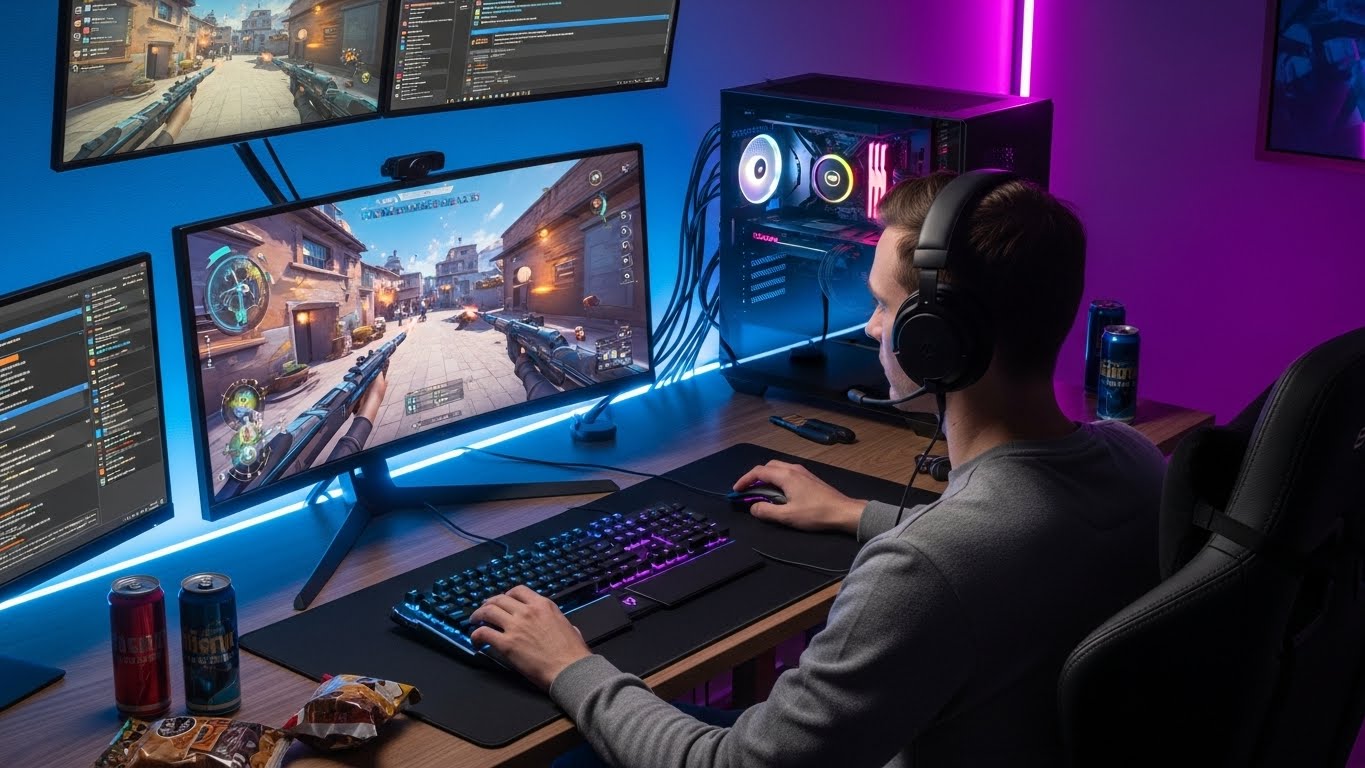
Gaming has evolved far beyond being a simple pastime. Once considered a hobby for children or a niche group of enthusiasts, it has grown into a global cultural phenomenon. Millions of people worldwide play video games across consoles, PCs, mobile devices, and virtual reality platforms. Gaming is no longer just about entertainment—it is a medium that fosters creativity, social interaction, emotional engagement, and even education. The experiences offered by gaming are unique, allowing players to explore new worlds, challenge themselves, and connect with others in ways that traditional media cannot replicate.
The Early Days of Gaming: Arcades and Home Consoles
The origins of gaming trace back to the 1970s and 1980s, when arcade games like Pong, Space Invaders, and Pac-Man captivated players with simple yet addictive gameplay. Arcades became social hubs where players competed for high scores, shared strategies, and built communities. The excitement of playing in public spaces helped establish gaming as more than just a solitary activity.
With the arrival of home consoles in the 1980s, gaming moved from public arcades into living rooms. Systems such as the Nintendo Entertainment System and Sega Genesis allowed players to enjoy immersive experiences at home. Developers began experimenting with longer storylines, more complex mechanics, and a variety of genres. These innovations laid the foundation for modern gaming, blending entertainment with creativity and narrative depth.
Technological Advancements: From Pixels to Immersive Worlds
The evolution of gaming has always been closely tied to technology. Early video games were limited by hardware, resulting in simple graphics and repetitive gameplay. As computers and consoles became more powerful, games grew more sophisticated, offering detailed environments, realistic physics, and complex artificial intelligence.
The transition from 2D to 3D graphics in the 1990s allowed players to explore immersive worlds with depth and perspective. In recent years, virtual reality and augmented reality have added new dimensions to gameplay, enabling players to experience worlds in ways previously thought impossible. Cloud gaming technology now allows high-quality games to be played without expensive hardware, making immersive gaming more accessible than ever.
Gaming as an Art Form
Video games have matured into a true form of artistic expression. Modern games combine narrative storytelling, visual design, music, and interactive gameplay to create experiences that are both engaging and emotionally resonant. Unlike movies or books, players are active participants, making choices that influence the story and shape their experience.
The visual and auditory elements of games contribute significantly to immersion. Art direction, environmental design, and soundtracks create atmospheres that enhance emotion and tension. Character development and complex storylines allow players to form deep connections with virtual personas. This combination of art and interactivity highlights the unique power of games to entertain, challenge, and move players simultaneously.
Social Dimensions of Gaming
Gaming today is a highly social activity. Online multiplayer games enable players to connect with friends or strangers worldwide, collaborating or competing in real time. These interactions create communities where strategies, experiences, and creative works are shared.
Esports has further expanded the social aspect of gaming. Professional tournaments attract millions of viewers, giving players opportunities to compete at the highest level. Even casual gamers are inspired to improve their skills and participate in local competitions. Gaming fosters teamwork, communication, and shared experiences, making it a platform for social connection in the digital age.
Cognitive Benefits of Gaming
Gaming provides a range of cognitive benefits. Strategy games enhance problem-solving and critical thinking, while puzzle games improve memory, attention, and spatial awareness. Fast-paced action games train the brain to process information quickly, improving reaction time and decision-making.
Education has also embraced gaming as a learning tool. Interactive, game-based learning keeps students engaged while teaching complex concepts. Simulation games allow learners to practice real-world scenarios in a safe environment, bridging the gap between theory and practical application. Gaming can thus be both intellectually stimulating and educational, making it a valuable medium beyond entertainment.
Creativity and Game Design
Modern games encourage players to be creators as well as consumers. Sandbox games, simulation titles, and modding communities empower users to design custom levels, characters, and entire worlds. These creative tools allow players to express themselves and share their ideas with others.
Beyond in-game creation, gaming inspires artistic pursuits outside the game itself. Players produce fan art, write stories, compose music, and create videos inspired by their favorite titles. Many individuals have turned these passions into professional careers in game design, digital art, and content creation. Gaming, therefore, nurtures creativity and provides avenues for personal and professional growth.
Open-World Games: Freedom and Exploration
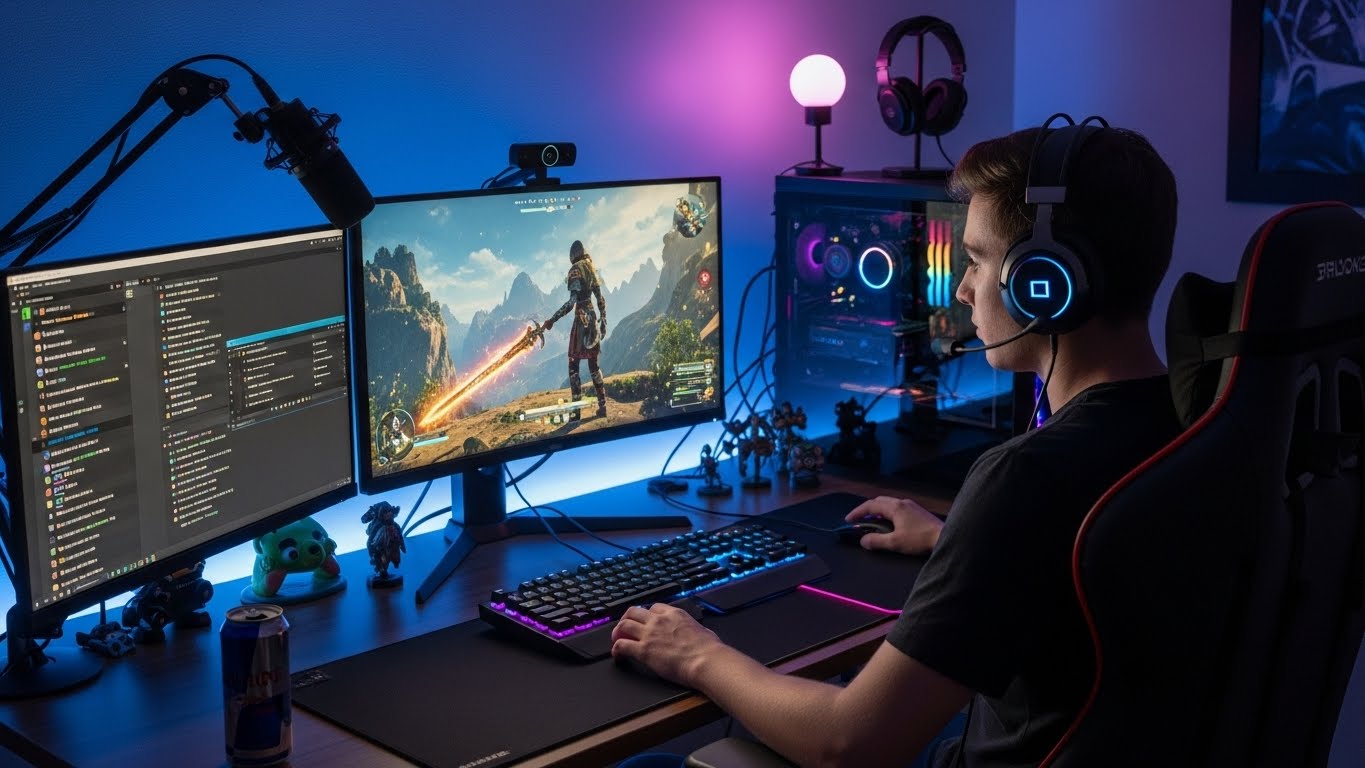
Open-world games have revolutionized player experience. Unlike linear games, they offer expansive, interactive environments where players can explore freely. Side quests, hidden secrets, and dynamic events encourage exploration and experimentation.
Freedom is central to the appeal of open-world games. Players decide how to navigate the world, which quests to pursue, and how to interact with the environment. This autonomy fosters immersion and ensures that each player’s journey is unique. Open-world games exemplify how gaming allows for personal storytelling and discovery, creating experiences that are both engaging and memorable.
The Emotional Power of Gaming
Gaming is capable of eliciting profound emotional responses. Players experience joy, excitement, fear, sadness, and empathy through interactive narratives and gameplay. Unlike passive entertainment, gaming requires active participation, which deepens emotional connection.
Completing difficult challenges, forming bonds with characters, or witnessing key story moments leaves lasting impressions. Emotional engagement in games fosters attachment to virtual worlds and characters, making the medium an experience that resonates long after play ends. This emotional depth is a key reason why gaming continues to captivate millions worldwide.
Competitive Gaming and Esports
Competitive gaming has become a legitimate and highly respected arena. Professional players train extensively, mastering strategies, mechanics, and teamwork. Tournaments attract global audiences and generate significant media and sponsorship interest, highlighting gaming as a serious competitive field.
Even casual gamers benefit from the rise of competitive play. Participating in ranked matches, local tournaments, and online competitions provides motivation to improve and test skills. Esports demonstrates how gaming has grown from casual entertainment into a professional, social, and cultural phenomenon.
The Future of Gaming
The future of gaming promises innovation and limitless possibilities. Artificial intelligence will enable smarter, more responsive game worlds. Procedural generation will create dynamic environments that evolve with player actions. Virtual reality and augmented reality will continue to enhance immersion and interactivity.
Cloud gaming will make high-quality experiences more accessible, breaking down hardware barriers. Games will also play increasingly important roles in education, training, and mental health. As technology advances, gaming will continue to redefine how people learn, connect, and experience stories.
Conclusion: Gaming as a Transformative Medium
Gaming is no longer just entertainment; it is a transformative cultural force. From arcade beginnings to modern immersive experiences, games have evolved into a medium that inspires creativity, fosters social connection, and challenges the mind.
Players interact with stories, worlds, and characters in ways that traditional media cannot replicate. Gaming provides emotional depth, cognitive benefits, and opportunities for creative expression. It has become a global phenomenon that connects people, shapes culture, and influences how we engage with technology and storytelling.
Pressing start is no longer simply entering a game—it is beginning a journey of exploration, creativity, and connection. Gaming has truly become a medium that transforms how we think, feel, and interact with the world around us.