
Introduction: Gaming as a Cultural Phenomenon
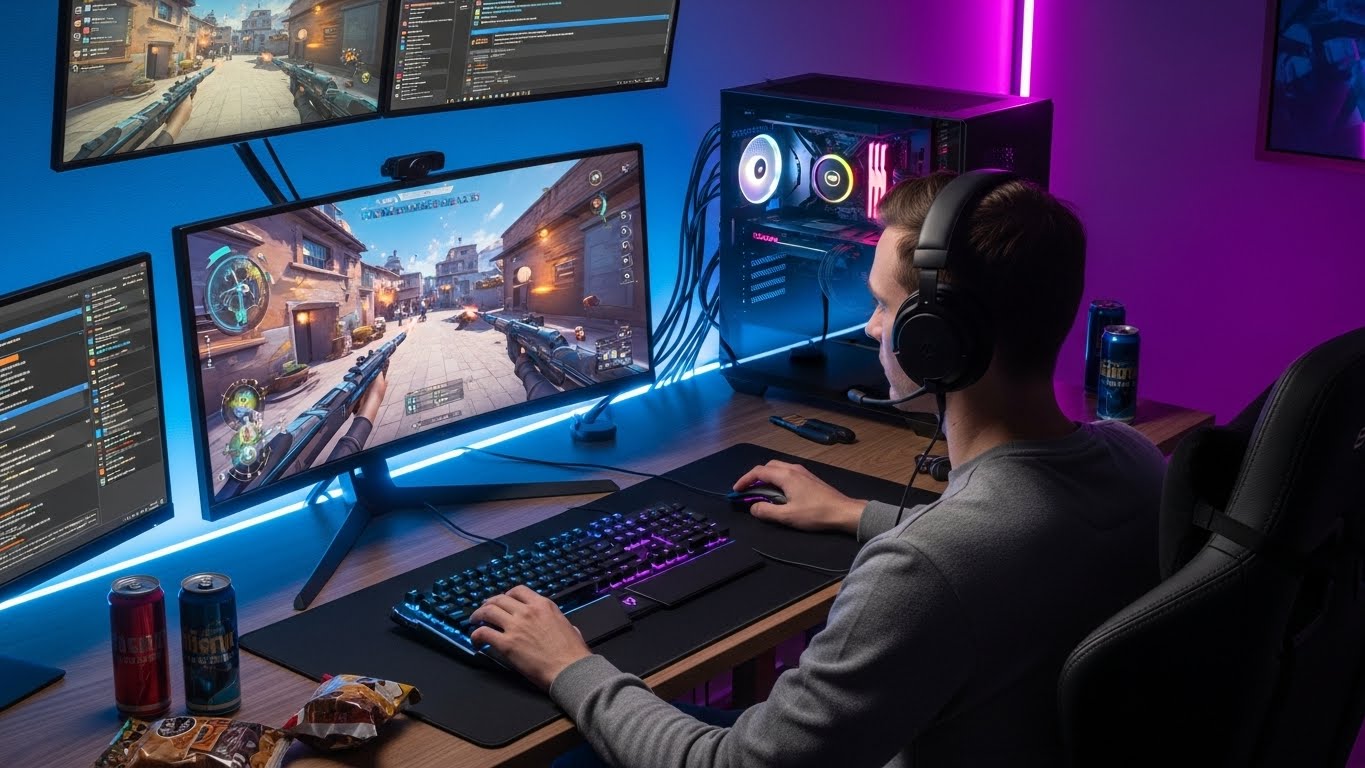
Gaming has transformed from a niche pastime to a global cultural phenomenon. What once started as simple pixelated adventures has evolved into highly immersive experiences that attract millions worldwide. Today, gaming is not only entertainment but also a powerful tool for education, social connection, and even professional careers. The dynamic nature of gaming, combined with technological innovation, continues to shape how we play, interact, and perceive digital worlds. This blog explores the evolution of gaming, its impact on society, emerging trends, and the future possibilities that make it a fascinating domain.
The History of Gaming: From Pixels to Realism
Gaming history traces back to the 1970s when simple arcade games like Pong and Space Invaders captured the imagination of players. These early games were characterized by straightforward mechanics and minimal graphics, yet they laid the foundation for the gaming industry. The 1980s introduced home consoles, giving rise to iconic franchises that remain popular today. As technology advanced, so did game design, leading to the development of 3D graphics, realistic physics, and immersive storytelling in the 1990s and 2000s. The evolution of gaming hardware, from powerful consoles to gaming PCs, has allowed developers to push creative boundaries and provide increasingly lifelike experiences.
The Psychology of Gaming: Why We Play
Gaming is not just about passing time; it engages the brain in multiple ways. Studies indicate that gaming can enhance cognitive functions such as problem-solving, strategic thinking, and hand-eye coordination. Story-driven games stimulate emotional intelligence by placing players in complex scenarios requiring moral decisions. Multiplayer and online games foster social interactions, helping players build friendships and communities. The sense of achievement, progression, and mastery also triggers dopamine release, making gaming an inherently rewarding experience. Understanding why we play helps explain why gaming is far more than a superficial pastime.
Gaming Genres: A World of Diversity
The diversity in gaming genres ensures there is something for everyone. Role-playing games immerse players in detailed worlds, often requiring strategic decision-making and character development. Action and adventure games focus on fast-paced gameplay, testing reflexes and coordination. Strategy games challenge players to think critically and manage resources efficiently, while simulation games allow players to experiment with real-world scenarios in a controlled digital environment. Sports and racing games bring competitive experiences, often mirroring real-world events. The variety in genres ensures that gaming caters to different interests, personalities, and skill levels, making it a truly inclusive form of entertainment.
The Social Dimension of Gaming
Gaming has evolved into a deeply social activity. Online multiplayer games allow players from different parts of the world to collaborate and compete in real-time. Esports, competitive professional gaming, has turned these interactions into organized tournaments with massive audiences and lucrative prize pools. Gaming communities often extend beyond gameplay, with forums, streaming platforms, and social media spaces dedicated to discussing strategies, sharing experiences, and celebrating achievements. This social dimension has transformed gaming from a solitary hobby into a vibrant, interconnected culture that fosters both virtual and real-world friendships.
The Technological Advancements Driving Gaming
Technology has been the driving force behind the gaming industry’s rapid evolution. The development of high-definition graphics, realistic physics engines, and AI-driven non-player characters has created highly immersive experiences. Virtual reality and augmented reality have taken immersion to a new level, enabling players to interact with digital environments in unprecedented ways. Cloud gaming has reduced the need for expensive hardware, allowing access to high-quality games on various devices. These technological advancements not only enhance entertainment but also expand the possibilities for creative storytelling and interactive experiences.
Gaming and Education: Learning in Disguise
Games are increasingly being recognized as valuable educational tools. Educational games and gamified learning platforms make learning engaging by incorporating challenges, rewards, and interactive content. History, science, and mathematics concepts can be taught through immersive gameplay, making abstract ideas tangible. Multiplayer games also teach teamwork, communication, and leadership skills, which are crucial in real-life scenarios. By blending fun and education, gaming opens new avenues for innovative learning methods that go beyond traditional classrooms.
The Mental Health Perspective
Contrary to common stereotypes, gaming can have positive effects on mental health when approached responsibly. Games offer stress relief, relaxation, and an escape from daily pressures. They also provide a platform for self-expression and creativity, allowing players to explore new identities and narratives. Cooperative and social games can reduce feelings of loneliness and foster a sense of belonging. However, moderation is key, as excessive gaming may lead to negative consequences. Understanding these nuances is essential for harnessing gaming’s benefits while minimizing risks.
The Economic Impact of Gaming
The gaming industry has grown into a multi-billion-dollar global powerhouse. From console sales and game development to esports and streaming platforms, gaming contributes significantly to economic activity. It creates jobs for developers, designers, marketers, and content creators while stimulating innovation in related fields such as graphics, AI, and networking. The rise of in-game purchases, subscriptions, and virtual economies has further expanded revenue streams. Gaming’s economic impact demonstrates that it is not merely a form of entertainment but a dynamic industry with far-reaching consequences.
The Rise of Esports and Competitive Gaming
Esports has transformed gaming into a professional sport with global recognition. Competitive tournaments now fill arenas and draw millions of online viewers, placing top players in the spotlight similar to traditional athletes. Esports requires dedication, strategy, and skill, and it has spawned careers as professional players, coaches, analysts, and content creators. The growth of esports has also influenced game design, with developers increasingly tailoring games to be competitive and spectator-friendly. This professionalization has further elevated gaming’s status and legitimacy in mainstream culture.
Gaming and Creativity
Gaming is a powerful platform for creativity. Sandbox games, building simulations, and modding communities allow players to design, customize, and share their creations. Game developers themselves use gaming as a canvas for storytelling, art, and music, blending multiple creative disciplines into one interactive medium. The creative potential of gaming extends beyond the screen, inspiring fan art, music compositions, videos, and virtual worlds. This aspect of gaming highlights its role as a tool for self-expression and imaginative exploration, bridging the gap between technology and artistry.
The Future of Gaming: Trends and Innovations
The future of gaming promises even more exciting possibilities. Advancements in artificial intelligence could create dynamically evolving game worlds and smarter non-player characters, offering personalized experiences. Cloud gaming and streaming technologies will make high-quality games accessible to a wider audience without the need for expensive hardware. Virtual reality and augmented reality are likely to become more immersive and mainstream, transforming how we interact with digital environments. Additionally, blockchain technology and virtual economies could redefine ownership and monetization in gaming, introducing new forms of digital assets and experiences. The future holds limitless opportunities for innovation, creativity, and entertainment.
Gaming as a Lifestyle
For many, gaming has become more than a hobby—it is a lifestyle. Gaming influences fashion, music, social interactions, and even career choices. Cosplay, fan conventions, and gaming-themed merchandise showcase the cultural influence of games beyond the screen. Gamers form communities that share passions, experiences, and identities, making gaming a significant part of their social and personal lives. As gaming continues to evolve, its integration into everyday life will only deepen, solidifying its status as a defining feature of modern culture.
Conclusion: Gaming as a Force of Change
Gaming is no longer just about entertainment; it is a powerful cultural, social, and economic force. From its humble beginnings to today’s immersive and competitive experiences, gaming has evolved into a medium that entertains, educates, and connects people worldwide. Technological advancements, creative possibilities, and professional opportunities continue to expand its influence, making gaming a dynamic and ever-changing domain. As we look toward the future, gaming will undoubtedly continue to shape how we play, learn, socialize, and express ourselves. It is clear that gaming is not just a pastime—it is a reflection of human creativity, innovation, and connection in the digital age.