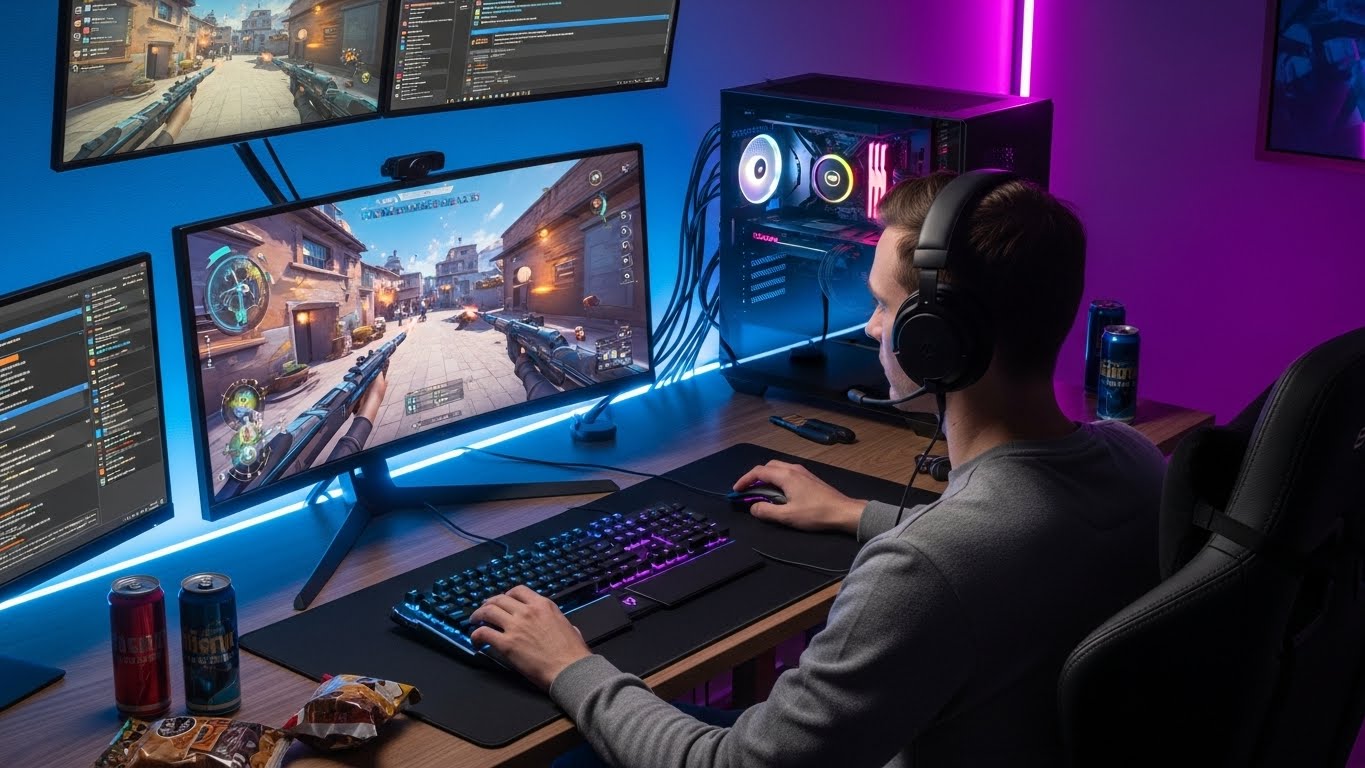
Gaming has evolved from a niche hobby to a mainstream form of entertainment, influencing culture, technology, and social interaction. Once confined to arcades and personal computers, gaming now spans consoles, mobile devices, and online platforms, offering immersive experiences to millions worldwide. It is not just a pastime but a dynamic industry that combines storytelling, technology, art, and competition. This blog explores the evolution of gaming, its impact on society, its educational and social benefits, and the trends shaping the future of interactive entertainment.
The Evolution of Gaming
The history of gaming dates back to the early 1970s with arcade classics like Pong and Space Invaders. These simple games laid the foundation for an industry that would rapidly grow in both complexity and cultural significance. The 1980s and 1990s introduced home consoles like the Nintendo Entertainment System and Sega Genesis, bringing gaming into households around the world.
The 2000s saw the rise of online gaming, allowing players to connect and compete across continents. Today, gaming includes immersive virtual reality experiences, augmented reality games, and expansive open-world environments that rival Hollywood films in storytelling and design. The evolution of gaming reflects technological advancements and the increasing desire for interactive entertainment that combines fun, challenge, and creativity.
Gaming as a Cultural Phenomenon
Gaming is no longer just a hobby—it is a cultural phenomenon. Video games influence music, fashion, movies, and social trends. Iconic franchises like The Legend of Zelda, Fortnite, and Call of Duty have inspired fan art, cosplay, tournaments, and even educational content. Gaming communities, both online and offline, provide spaces for collaboration, socialization, and creative expression.
The rise of streaming platforms has turned gaming into a spectator sport. Professional gamers and content creators now have global audiences, transforming gaming into a form of entertainment consumed by millions daily. This cultural integration has elevated gaming to a status comparable to music and film, shaping modern entertainment in profound ways.
The Social Benefits of Gaming
Contrary to the stereotype of gaming as an isolating activity, it offers significant social benefits. Multiplayer games and online communities foster teamwork, communication, and social interaction. Players collaborate to achieve goals, strategize, and solve complex problems together.
Gaming also creates inclusive communities where individuals from different backgrounds can connect over shared interests. Events like gaming conventions and esports tournaments allow players and fans to engage in person, strengthening social bonds. These social aspects demonstrate that gaming can promote connection, cooperation, and a sense of belonging in ways traditional media cannot.
Gaming and Education
Gaming has educational potential that extends beyond entertainment. Many games incorporate problem-solving, critical thinking, strategy, and creativity. Puzzle-based games, simulations, and role-playing games challenge players to make decisions, think analytically, and plan ahead.
Educational institutions are increasingly adopting gamified learning, where game mechanics are used to enhance engagement and retention. Virtual simulations in science, history, and technology allow students to explore concepts interactively. Even esports programs in schools and colleges teach teamwork, leadership, and discipline, demonstrating the value of gaming as a learning tool.
Cognitive and Psychological Benefits
Playing video games can improve cognitive abilities and psychological well-being. Action and strategy games enhance attention, memory, and spatial reasoning. Puzzle and problem-solving games encourage analytical thinking and creativity. Games also provide safe environments for risk-taking, experimentation, and learning from failure.
Psychologically, gaming offers stress relief, relaxation, and emotional engagement. Immersive storytelling allows players to experience different perspectives, fostering empathy and understanding. Multiplayer and cooperative gameplay provide social support and a sense of community, contributing to improved mental health and overall well-being.
Gaming as a Career
The gaming industry offers diverse career opportunities beyond playing games professionally. Esports players, streamers, game developers, designers, writers, marketers, and content creators all contribute to the ecosystem. Esports tournaments provide substantial prize money, sponsorships, and global recognition, making competitive gaming a viable career path for talented individuals.
The rise of game development careers has created opportunities for programmers, artists, sound designers, and narrative writers. Universities and institutions now offer specialized programs in game design and esports management, preparing students for professional success in an industry that continues to expand rapidly.
The Economic Impact of Gaming
Gaming is a multi-billion-dollar industry with significant economic impact. Sales of video games, consoles, accessories, and digital content generate substantial revenue worldwide. Major tournaments, conventions, and events attract tourism, sponsorship, and media attention, stimulating local economies.
Game development also drives technological innovation, requiring expertise in software engineering, artificial intelligence, virtual reality, and graphics design. The economic footprint of gaming demonstrates its importance not just as entertainment but as a driver of innovation, employment, and global business.
Gaming and Technology
The gaming industry has always been closely tied to technological advancement. Improvements in graphics, processing power, artificial intelligence, and network connectivity have made games more immersive and realistic. Virtual reality and augmented reality provide new ways to interact with digital environments, while cloud gaming allows players to access high-quality experiences on multiple devices without expensive hardware.
These technological innovations also benefit other industries. AI developed for games can be applied to research, healthcare, and simulation training. Graphics engines designed for games are used in film, architecture, and virtual training programs. Gaming technology, therefore, not only transforms entertainment but also influences broader technological progress.
The Future of Gaming
The future of gaming promises continued innovation and expansion. Artificial intelligence will create more adaptive and intelligent non-player characters, enhancing gameplay experiences. Cloud-based platforms and subscription models will make high-quality gaming accessible to more people globally.
Virtual reality, augmented reality, and mixed reality will offer increasingly immersive experiences, blending digital and physical worlds. Social gaming and interactive storytelling will continue to evolve, creating experiences that are collaborative, narrative-driven, and highly personalized. The future of gaming is not just about playing—it is about connecting, creating, and experiencing worlds that transcend traditional media.
Gaming and Society
Gaming has a profound impact on society, influencing culture, communication, and entertainment. It brings together diverse communities, encourages collaboration, and provides platforms for creative expression. Gaming also raises important social considerations, such as responsible use, inclusivity, and addressing potential addiction.
By promoting positive engagement, educational opportunities, and professional pathways, gaming can enhance society and individual development. It demonstrates that digital play is not merely entertainment but a meaningful cultural and social phenomenon.
Challenges in Gaming
Despite its benefits, gaming faces challenges. Concerns about screen time, addiction, and exposure to inappropriate content are important considerations, particularly for younger audiences. Online harassment, toxicity, and cyberbullying in multiplayer games can negatively affect players’ experiences and well-being.
The gaming industry also faces issues of diversity and representation. Encouraging inclusive game design, equitable access, and representation of different communities is crucial for creating a positive and welcoming gaming culture. Responsible development and thoughtful engagement can help mitigate these challenges while preserving the benefits of gaming.
Conclusion
Gaming has evolved far beyond its origins as a recreational activity. It is a dynamic industry that influences technology, culture, social interaction, education, and the economy. With immersive experiences, cognitive benefits, career opportunities, and global communities, gaming has become an integral part of modern life.
As the industry continues to grow, it offers opportunities to connect people, inspire creativity, and push the boundaries of technology and storytelling. Gaming is not just play—it is a cultural revolution, shaping the way we communicate, learn, and experience the world. The gaming revolution is here, and it continues to redefine entertainment, innovation, and human connection for generations to come.