Introduction: A New Age of Interactive Entertainment
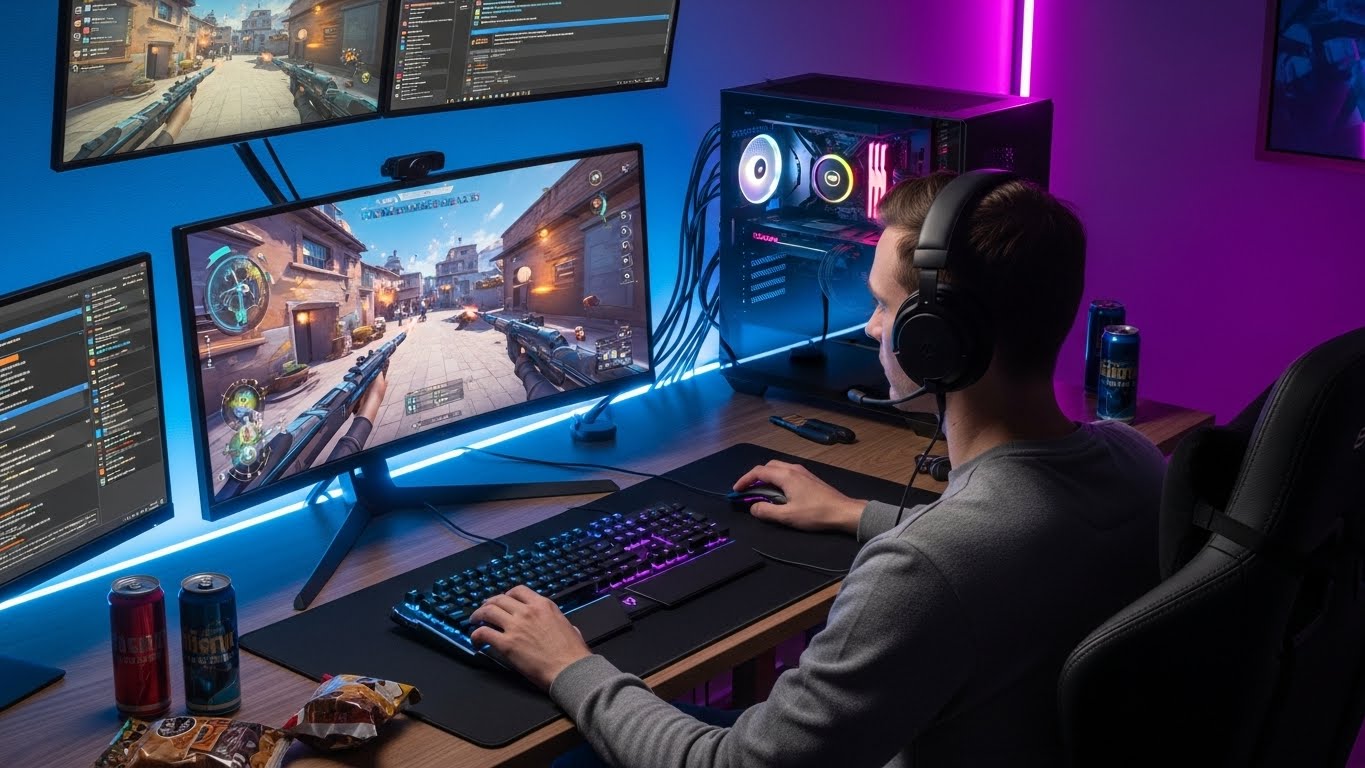
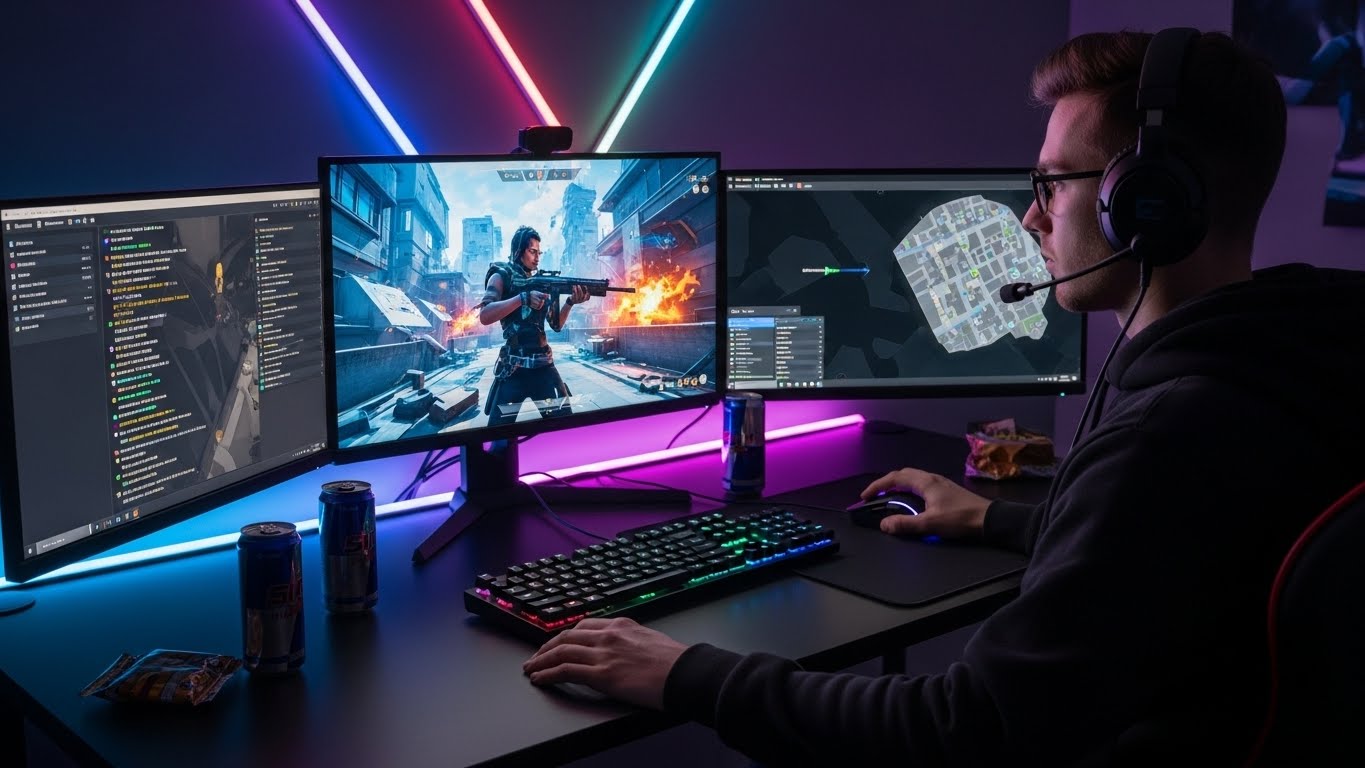
Gaming has transformed from a limited pastime played on bulky consoles and arcade machines into one of the world’s most influential forms of entertainment. Today, it blends creativity, technology, storytelling, and community into an experience that appeals to nearly every age group. Whether someone is exploring fantasy realms, battling opponents in competitive arenas, or relaxing with puzzle adventures, gaming has become a universal language of fun, connection, and challenge. This blog explores how gaming has evolved, the skills it builds, the culture it creates, and why it continues to shape our digital age in profound ways.
The Evolution of Gaming: From Pixels to Possibilities
Early gaming experiences were simple in graphics and mechanics, yet they sparked excitement and imagination. As technology advanced, so did the complexity of games. Developers introduced stunning visuals, deeper narratives, open worlds, and advanced physics. This evolution not only increased the entertainment value but also expanded the very definition of what a game could be. Today’s players are not just consumers but explorers, strategists, creators, and even storytellers within dynamic digital landscapes. Modern gaming combines art, music, design, and innovation, creating rich experiences that rival other forms of media.
The Rise of Immersive Storytelling
One of the most compelling aspects of modern gaming is its ability to tell powerful stories. Games allow players to step into the shoes of heroes, villains, wanderers, scholars, and survivors, experiencing narratives in deeply personal and interactive ways. Unlike movies or books, games give players agency. The choices they make influence outcomes, relationships, and worlds. This sense of involvement creates emotional depth and immersion. Players do not simply watch a story unfold; they live it, shaping it through their actions and decisions.
Building Real-World Skills Through Play
Many people still underestimate the value of gaming, but research and experience reveal that it boosts numerous real-world skills. Strategic games sharpen problem-solving abilities, requiring players to analyze situations, plan ahead, and adapt. Fast-paced games improve reflexes and hand-eye coordination. Collaborative games nurture teamwork and communication, especially when players must coordinate with others to achieve shared goals. Even creativity flourishes as players design worlds, solve puzzles, or come up with innovative solutions. These skills translate beyond screens, offering benefits in education, careers, and daily life.
The Social Side of Gaming: Growing Together Through Play
Gaming is no longer a solitary activity. It has become one of the strongest ways to connect people across the world. Online games allow friends and strangers to cooperate, compete, and communicate in real time. For many, gaming communities provide a sense of belonging, shared purpose, and camaraderie. Whether friends are teaming up for an adventure or players from different countries are working together to win a challenging mission, gaming builds bridges between people. The social interactions within these virtual spaces often lead to real friendships, meaningful conversations, and long-lasting bonds.
The Role of Strategy and Decision-Making
Many games revolve around strategy, asking players to think critically and make impactful decisions. Strategy games require planning resource management, analyzing opponents, and adapting tactics on the fly. Role-playing games ask players to make moral, narrative, or gameplay decisions that shape entire storylines. Even simple puzzle games strengthen the mind by encouraging pattern recognition, logic, and patience. These repeated exercises in decision-making improve mental agility and help players develop a growth mindset, where challenges become opportunities rather than obstacles.
Creativity in Gaming: A Digital Playground for Imagination
Modern gaming does more than entertain; it inspires creativity. Players design characters, build structures, invent strategies, and sometimes create entirely new worlds within sandbox environments. The rise of user-generated content has turned players into creators, allowing them to design levels, craft stories, and even develop modifications that expand games beyond their original boundaries. This creativity nurtures artistic skills, encourages experimentation, and gives players a sense of ownership over their gaming experiences.
The Impact of Competitive Gaming and Esports
Competitive gaming has grown into a massive global phenomenon known as esports. This modern arena takes gaming to a professional level, with players training, strategizing, and competing just like traditional athletes. Esports events draw large audiences, showcasing the talent and dedication of skilled players. The competitive scene emphasizes teamwork, discipline, and high-level thinking. It also opens new career paths not only for players but also for commentators, coaches, analysts, and event organizers. Esports proves that gaming is not just entertainment; it is a legitimate industry and a platform for excellence.
The Balance Between Play and Responsibility
While gaming brings fun and skill development, balance is important. The best gaming experiences come when players maintain healthy habits. Setting time limits, taking breaks, and ensuring gaming does not interfere with responsibilities leads to long-term enjoyment. Healthy gaming encourages relaxation, stress relief, and positive social interactions. When players manage their time wisely, gaming becomes a source of joy, creativity, and personal development instead of a distraction.
The Future of Gaming: Innovation and Beyond
The future of gaming is filled with exciting possibilities. Advancements in virtual reality, artificial intelligence, and interactive design promise even more immersive and personalized experiences. Developers continue to experiment with storytelling techniques, gameplay systems, and world-building tools. As technology progresses, gaming will likely become even more integrated into education, mental health support, and professional training. The boundaries between digital and physical worlds will blur, giving players new ways to experience stories, learn skills, and connect with others.
Why Gaming Matters Today
Gaming plays a significant role in modern culture. It brings people together, encourages creativity, and provides entertainment that is both engaging and meaningful. It offers a way to relax after a stressful day or a way to bond with others through shared adventures. Gaming also helps develop cognitive and social skills that benefit players beyond the virtual world. It has become more than a hobby; it is a cultural force that influences art, technology, education, and social interaction.
Conclusion: Celebrating the Power of Play
Gaming is an ever-growing universe full of excitement, imagination, and connection. It challenges the mind, strengthens skills, and brings people together in ways that few other mediums can. As technology continues to evolve, so will the limitless possibilities of gaming. Whether someone plays to compete, to relax, to learn, or to explore new worlds, gaming offers something valuable for everyone. The power of play is profound, and its impact will continue shaping the future of entertainment and human connection for generations to come.