Introduction to the World of Gaming Consoles
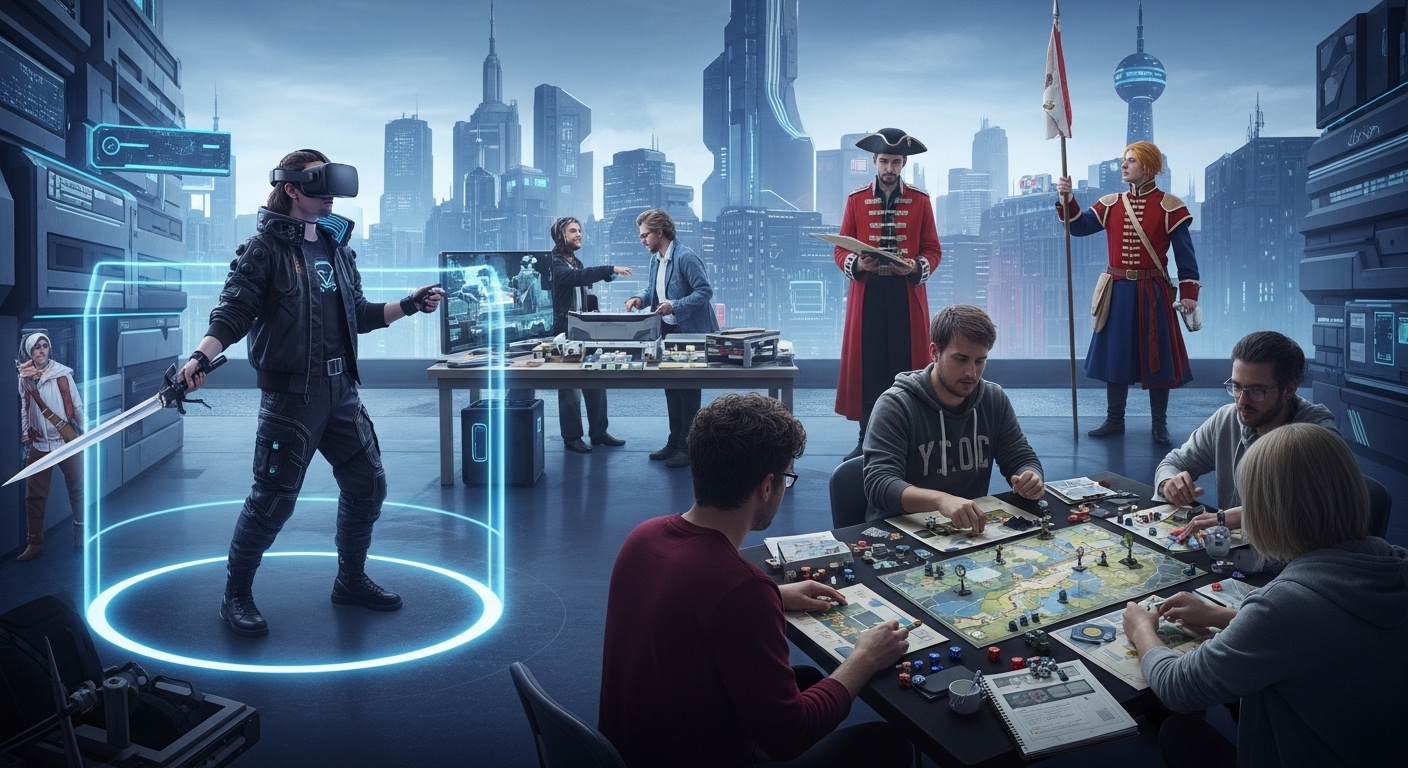
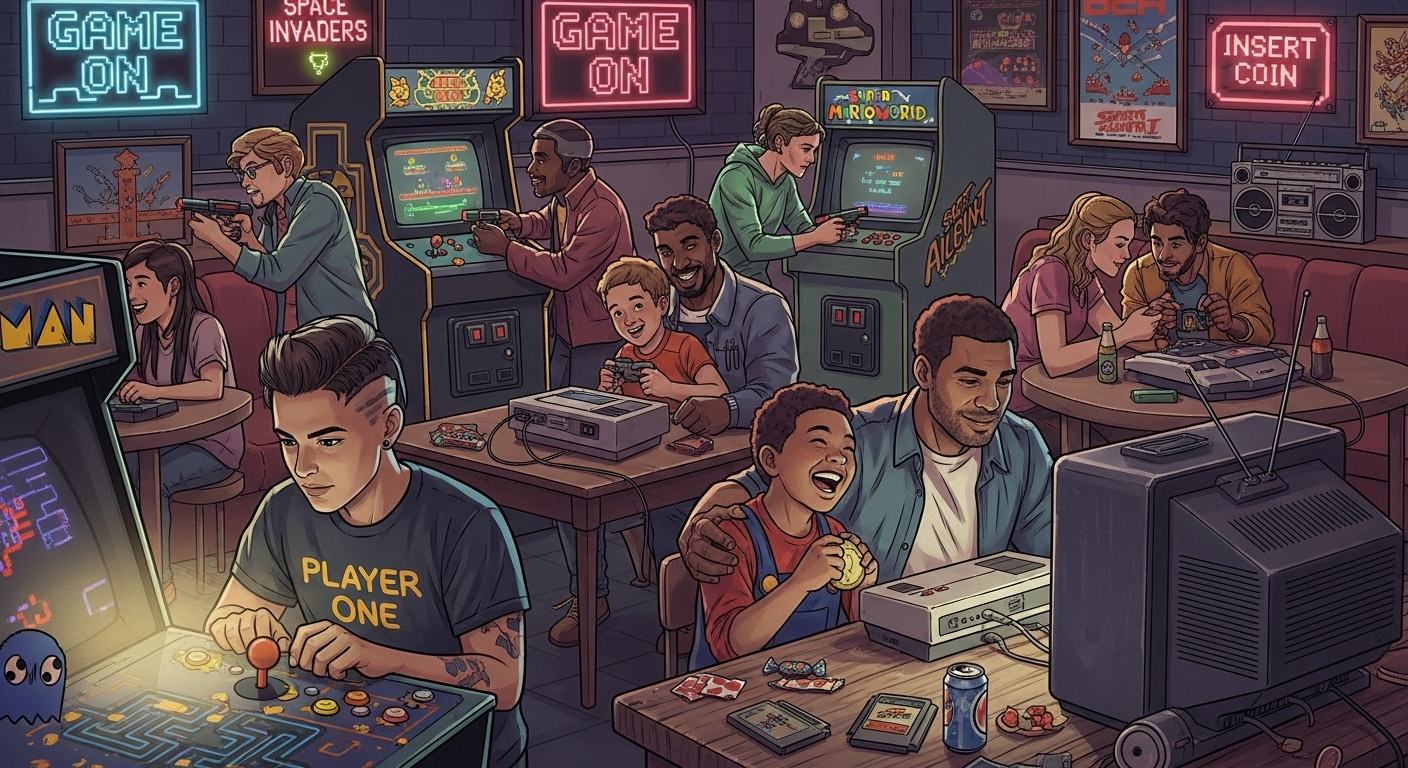
The gaming industry has become one of the most dominant entertainment sectors in the world, and at the heart of this revolution are gaming consoles. From the early days of Atari and Nintendo to the cutting-edge consoles we see today, the gaming console market has shaped the way millions of people enjoy interactive entertainment. Gaming consoles are no longer just devices for playing games, they are now multimedia hubs, community platforms, and gateways into immersive virtual experiences. With so many consoles available in the market, both past and present, ranking them becomes a challenge. Factors such as hardware capabilities, exclusive games, online services, and cultural impact play a significant role in determining where each console stands in the hierarchy. In this blog, we will explore the top gaming consoles ranked according to their influence, performance, and popularity.
The Evolution of Gaming Consoles
Before diving into the ranking, it is important to understand how gaming consoles have evolved. The industry has progressed through several generations, each introducing groundbreaking technology. The first generation in the 1970s brought simple systems like the Magnavox Odyssey, which laid the foundation for home gaming. The second and third generations introduced iconic consoles like the Atari 2600 and Nintendo Entertainment System, shaping the culture of video gaming. By the time we reached the fifth and sixth generations, consoles like the PlayStation and PlayStation 2 redefined gaming with advanced graphics and expansive libraries of titles. Today, consoles are not just about gaming but also about streaming, virtual reality, and connecting with global communities. This historical journey gives context to the rankings we will explore.
Criteria for Ranking Gaming Consoles
When ranking the top gaming consoles, several criteria must be considered. The first factor is the game library, since exclusive titles often define a console’s legacy. Hardware power and innovation also matter, as consoles that introduced groundbreaking features such as 3D graphics, motion controls, or online play made lasting impacts. Popularity and sales figures are another indicator, as consoles that reached millions of households undoubtedly influenced the industry. Backward compatibility, ease of use, and multimedia functions also play a role. Finally, cultural influence is an essential metric, because some consoles changed the way people perceive video games and turned them into mainstream entertainment. With these criteria in mind, let us look at the top gaming consoles ranked in order of their significance.
PlayStation 2 – The King of Consoles
Topping the list of the greatest gaming consoles ever made is the PlayStation 2. Launched in the year 2000, the PS2 became the best-selling console of all time, with more than 155 million units sold worldwide. Its dominance was due to several factors. It offered backward compatibility with PlayStation 1 games, giving players a vast library from the start. It also functioned as a DVD player at a time when DVD technology was just becoming popular, making it a must-have multimedia device for households. The console’s library was unmatched, featuring iconic titles such as Grand Theft Auto: San Andreas, Metal Gear Solid 2, Final Fantasy X, Shadow of the Colossus, and God of War. Developers flocked to the PS2, ensuring a steady stream of innovative and memorable games. Its long lifecycle and wide range of genres made it the gold standard of consoles.
Nintendo Entertainment System – Reviving the Gaming Industry
No ranking of consoles would be complete without mentioning the Nintendo Entertainment System, or NES. Released in 1985, the NES is often credited with reviving the video game industry after the crash of 1983. It brought gaming back into living rooms with beloved franchises that remain popular to this day, including Super Mario Bros, The Legend of Zelda, and Metroid. The NES also introduced the concept of third-party development, allowing companies like Capcom, Konami, and Square to release games that became classics. The console’s design, with its rectangular controller and intuitive layout, became iconic. The NES was more than just a gaming machine, it was a cultural phenomenon that paved the way for the future of interactive entertainment.
PlayStation 4 – A Modern Powerhouse
When it comes to modern consoles, the PlayStation 4 stands out as one of the greatest. Launched in 2013, the PS4 quickly became the leader of its generation, outselling rivals like the Xbox One and Wii U by a wide margin. Its focus on gamer-first policies, powerful hardware, and exclusive titles made it highly appealing. Games such as Bloodborne, God of War, The Last of Us Part II, and Horizon Zero Dawn highlighted the system’s capabilities. Sony also built a strong online ecosystem with PlayStation Network, offering multiplayer gaming, digital downloads, and streaming services. The PS4 Pro introduced 4K gaming support, further enhancing the experience. With over 117 million units sold, the PS4 cemented its place as a modern legend in the gaming world.
Xbox 360 – Microsoft’s Breakthrough
The Xbox 360, released in 2005, is another console that deserves a high ranking. It established Microsoft as a major player in the gaming industry and brought online gaming to the mainstream through Xbox Live. Features such as party chat, achievements, and downloadable content became standard in the industry thanks to this console. Its library was impressive, with titles like Halo 3, Gears of War, Fable II, and Mass Effect defining the generation. Despite hardware issues like the infamous Red Ring of Death, the Xbox 360 built a loyal fanbase and reached over 84 million units sold. It played a major role in shaping modern gaming culture, especially with its strong online community and competitive gaming ecosystem.
Super Nintendo Entertainment System – A Timeless Classic
The Super Nintendo Entertainment System, or SNES, released in the early 1990s, is remembered as one of the finest consoles ever created. It offered significant improvements over its predecessor with enhanced graphics, sound, and gameplay capabilities. The SNES library remains legendary, featuring masterpieces like Super Mario World, The Legend of Zelda: A Link to the Past, Chrono Trigger, and Super Metroid. Many of these games are still considered some of the best ever made. The console also introduced the concept of deeper storytelling and advanced gameplay mechanics, setting new standards for what video games could achieve. Its influence continues to be felt in modern gaming, and retro fans still regard the SNES as one of the ultimate consoles.
Nintendo Switch – Innovation in Portability
The Nintendo Switch, launched in 2017, is one of the most innovative consoles of all time. Its hybrid design allows players to use it as a home console connected to a television or as a portable handheld device. This versatility redefined the gaming experience and made the Switch a massive success. With titles like The Legend of Zelda: Breath of the Wild, Super Mario Odyssey, Animal Crossing: New Horizons, and Super Smash Bros Ultimate, the Switch has one of the strongest exclusive libraries. It has also brought indie games into the spotlight by providing an accessible platform for developers. With over 130 million units sold and counting, the Switch has become a global phenomenon and continues to dominate the market.
PlayStation 5 – The Next Generation Experience
The PlayStation 5, released in 2020, represents the cutting edge of console gaming. With its ultra-fast SSD, ray-tracing technology, and powerful performance, it delivers a true next-generation experience. The PS5 DualSense controller introduced haptic feedback and adaptive triggers, creating a new level of immersion. Games like Demon’s Souls Remake, Ratchet and Clank: Rift Apart, and Spider-Man: Miles Morales showcased the console’s power early on. The PS5 also continues Sony’s tradition of offering strong exclusives and a robust digital ecosystem. While it is still early in its lifecycle, the PS5 is already proving to be a worthy successor to the PS4 and is shaping the future of console gaming.
Xbox Series X – Microsoft’s Technical Beast
Microsoft answered the PlayStation 5 with the Xbox Series X, released in the same year. The Series X is a powerhouse, boasting impressive specs that make it one of the most technically advanced consoles ever created. It offers quick load times, backward compatibility across multiple generations, and integration with Xbox Game Pass, which has been called the best deal in gaming. Game Pass gives players access to hundreds of titles for a monthly subscription, revolutionizing the way people consume games. Although its exclusive library is still growing, the Series X positions itself as a versatile console for gamers who value performance and access to a wide range of titles.
Nintendo Wii – A Revolution in Motion Gaming
The Nintendo Wii, launched in 2006, changed the gaming industry forever with its motion controls. It appealed to a broad audience, from children to grandparents, making gaming more accessible than ever. Wii Sports became a cultural sensation, introducing casual players to the world of gaming. Titles like The Legend of Zelda: Twilight Princess, Super Smash Bros Brawl, and Mario Kart Wii further solidified its popularity. The Wii sold over 100 million units, making it one of the best-selling consoles of all time. While its graphics lagged behind competitors, its innovative gameplay and mass-market appeal ensured its legacy as one of the most influential consoles in history.
Sega Genesis – The Console War Champion
The Sega Genesis, released in 1988, was Sega’s answer to Nintendo’s dominance. It introduced a new era of competition with its sleek marketing campaigns, most notably the “Genesis does what Nintendon’t” slogan. The console had an impressive library, including Sonic the Hedgehog, Streets of Rage, and Phantasy Star. It also attracted older players with titles featuring sports and mature themes. The Genesis was central to the console wars of the 1990s and pushed innovation in both hardware and software. Its cultural impact remains strong, and retro gaming fans still celebrate its contributions to gaming history.
Game Boy – The Handheld Pioneer
When talking about gaming consoles, handheld systems deserve recognition, and none is more iconic than the Game Boy. Released in 1989, the Game Boy dominated the handheld market and sold over 118 million units when combined with the Game Boy Color. Its portability, affordability, and massive game library made it a favorite among players. Titles like Pokémon Red and Blue, Tetris, and The Legend of Zelda: Link’s Awakening defined portable gaming for a generation. The Game Boy’s legacy lives on in every handheld device that came after it, including the Nintendo DS and Switch.
Conclusion – The Legacy of Gaming Consoles
Ranking the top gaming consoles highlights the diversity and innovation that have defined the industry. Each console brought something unique to the table, whether it was groundbreaking hardware, legendary games, or cultural influence. The PlayStation 2 remains the undisputed king due to its unmatched sales and legendary library, while consoles like the NES and SNES revived and redefined gaming. Modern systems like the PS5, Xbox Series X, and Nintendo Switch show that the future of gaming continues to evolve with new technologies and ideas. Gaming consoles are not just machines, they are cultural icons that connect generations of players, spark creativity, and push the boundaries of entertainment. The journey of consoles reflects the journey of gaming itself—a blend of nostalgia, innovation, and passion that will continue for decades to come.