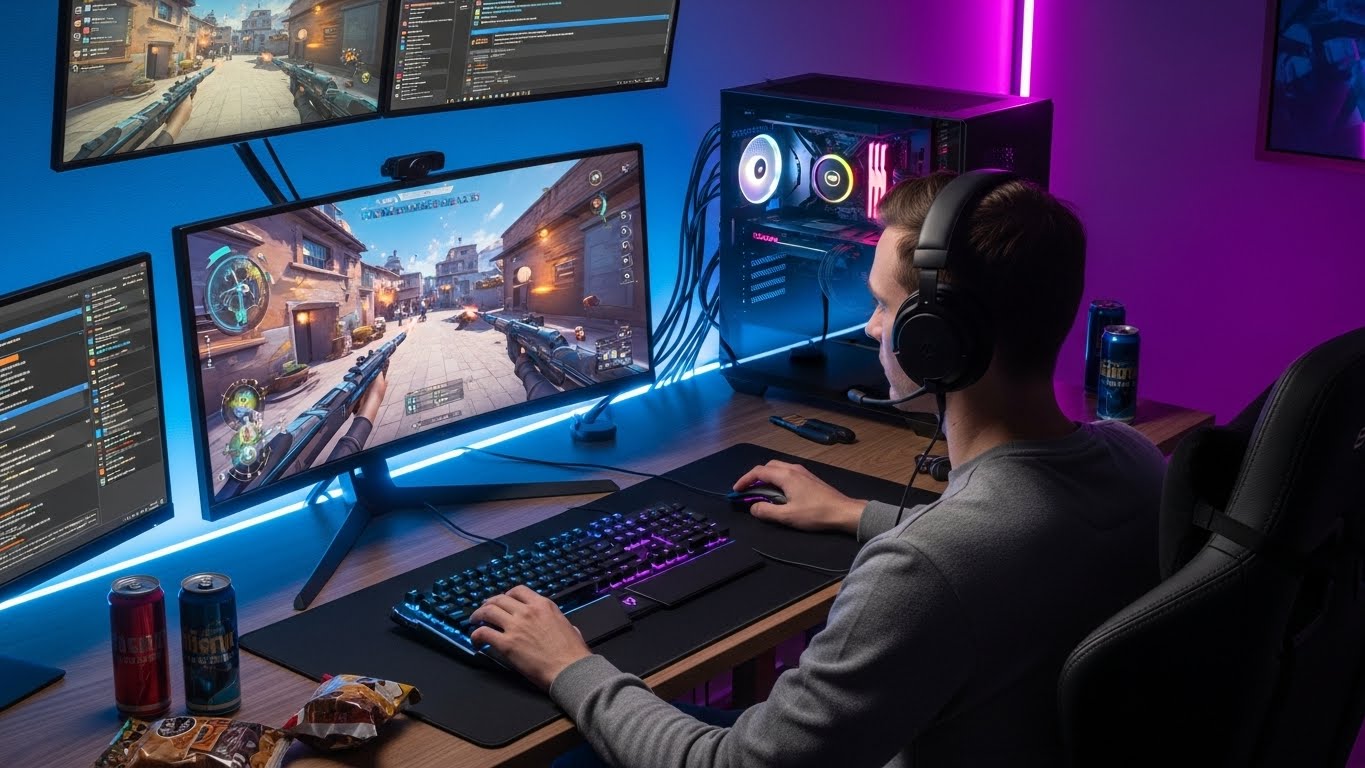
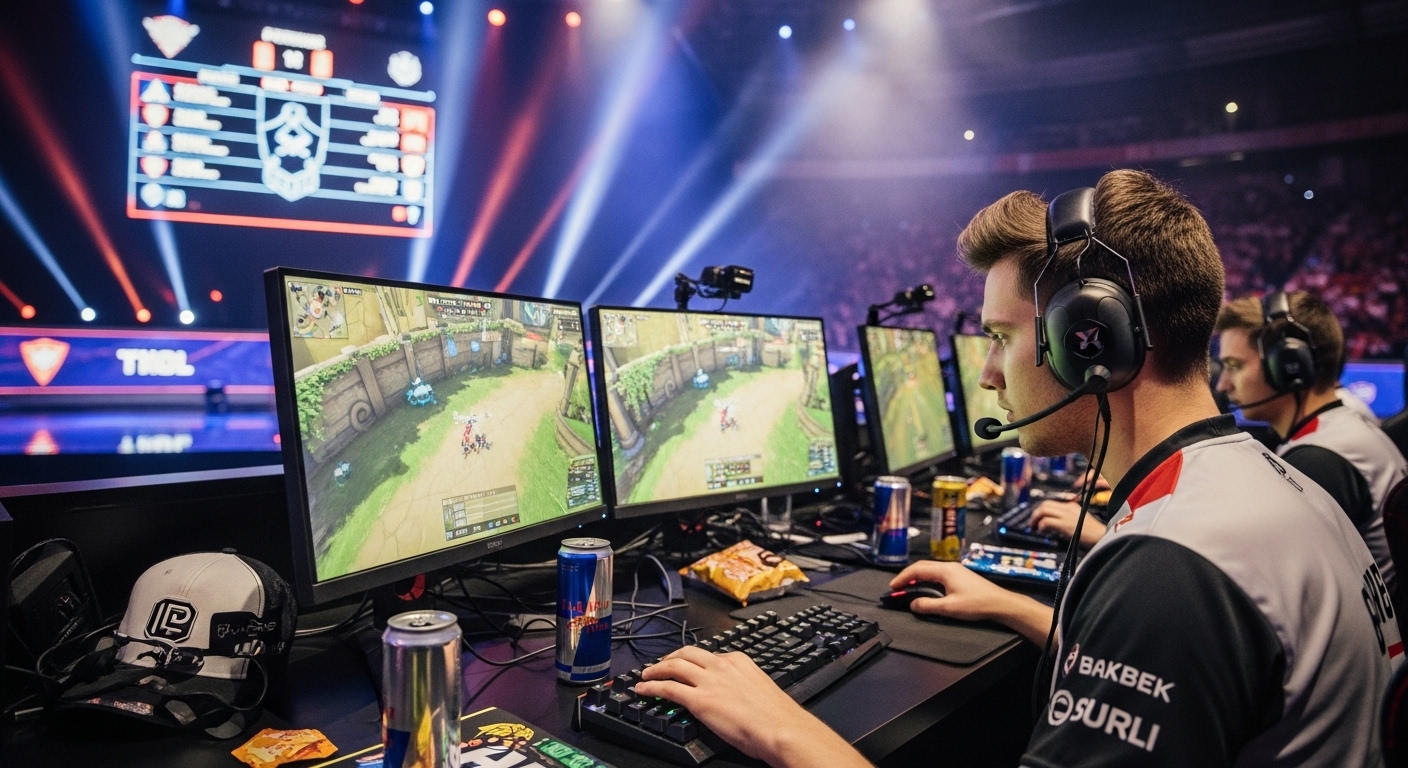
Gaming is no longer just a casual pastime—it has evolved into a dominant force in entertainment, culture, and even education. What began as simple pixelated screens and early arcade machines has transformed into a multi-faceted global industry that engages millions of players, viewers, and creators worldwide. From interactive adventures and sports simulations to complex narrative-driven experiences, the gaming industry continues to innovate and shape the future of digital media. This blog will take a closer look at the evolution of gaming, its technological advancements, the impact on culture, and its growing role in education and esports.
The Birth of Video Games: Simple Beginnings
The origins of video games can be traced back to the 1950s when experimental computer programs were developed for entertainment purposes. One of the first well-known video games was “Spacewar!” created in 1962 by Steve Russell at MIT. It was simple in design, but it was one of the first interactive computer games that allowed users to engage with a digital environment in real-time.
The 1970s saw the emergence of arcade games like “Pong,” which became the first commercially successful video game. “Pong” was a simple ping-pong simulation game where players controlled paddles and tried to bounce a ball back and forth. It was the first glimpse of what would eventually evolve into a cultural phenomenon. Arcade games quickly spread across the world, marking the beginning of gaming as a mainstream form of entertainment.
The Rise of Home Consoles: Bringing Games to Living Rooms
While arcades were popular in the 1970s and 1980s, the gaming landscape took a major turn with the introduction of home consoles. The 1980s saw the birth of systems like the Nintendo Entertainment System (NES) and the Sega Genesis, which allowed players to enjoy games in their own homes. These consoles made gaming more accessible and affordable, and games like “Super Mario Bros.” and “Sonic the Hedgehog” became household names.
With home consoles, game development began to advance, allowing for richer storytelling, better graphics, and more complex gameplay. Genres such as platformers, action-adventure, and fighting games flourished. These early systems helped establish gaming as a long-term entertainment medium. At the same time, the arrival of handheld consoles like the Game Boy allowed for portable gaming, further expanding the reach of video games.
The Evolution of PC Gaming: Pushing the Boundaries
While consoles were important for the development of mainstream gaming, personal computers (PCs) introduced new levels of complexity and interactivity. Early PC games like “Doom,” released in 1993, pushed the boundaries of what games could achieve in terms of graphics, immersion, and gameplay. The success of “Doom” and later games like “Warcraft” and “SimCity” demonstrated that PCs could support far more intricate and expansive gaming experiences than traditional consoles.
As the internet began to take hold in the late 1990s and early 2000s, online multiplayer gaming emerged. Games like “StarCraft” and “World of Warcraft” became some of the first major MMORPGs (massively multiplayer online role-playing games) that allowed players to connect, interact, and compete across vast virtual worlds. This marked the beginning of online gaming as we know it today, and it set the stage for the rise of esports and competitive gaming.
Mobile Gaming: Gaming On-the-Go
The rise of smartphones in the late 2000s revolutionized the gaming industry. Mobile gaming opened up new possibilities by making games more accessible to a larger audience, especially casual gamers. Titles like “Angry Birds,” “Candy Crush,” and “Clash of Clans” introduced new types of gameplay that were easy to pick up but hard to master. These mobile games often used simple mechanics and addictive gameplay loops to keep players engaged.
Mobile gaming also introduced new business models, particularly the “freemium” model, where games are free to download but offer in-app purchases for extra content or advantages. This model has become highly successful and has played a significant role in the monetization of games across platforms. With millions of people playing games on smartphones, mobile gaming quickly became a central pillar of the gaming industry.
Virtual and Augmented Reality: The Next Frontier
As gaming continues to evolve, new technologies like virtual reality (VR) and augmented reality (AR) are reshaping the way players experience digital worlds. Virtual reality immerses players fully into the game, using headsets and motion controllers to allow players to interact with a 3D world in a way that feels natural and intuitive. Games like “Beat Saber” and “Half-Life: Alyx” have set new standards for immersive gaming experiences.
Augmented reality, on the other hand, overlays digital elements onto the real world. The biggest success story in AR gaming is “Pokémon Go,” which encourages players to go outside and explore their neighborhoods while interacting with virtual creatures. AR gaming adds a layer of interactivity with the real world, offering a unique and engaging experience.
Both VR and AR have the potential to revolutionize gaming even further, creating experiences that are more immersive and lifelike than ever before.
Esports: The Rise of Competitive Gaming
Esports, or competitive gaming, has become one of the fastest-growing sectors within the gaming industry. Games like “League of Legends,” “Dota 2,” and “Counter-Strike: Global Offensive” have not only built large, dedicated player bases but also attract millions of spectators to live tournaments and online streams.
Esports has grown from a hobbyist activity into a multi-million dollar industry with professional players, teams, and events. In fact, some esports tournaments, like “The International” for Dota 2, offer prize pools that rival those of traditional sports events. Esports organizations have even become major players in the world of sponsorships, with brands like Coca-Cola, Intel, and Nike investing heavily in competitive gaming.
The rise of esports has also created opportunities for new careers in broadcasting, coaching, and event management. Platforms like Twitch and YouTube Gaming have further expanded the reach of esports, allowing anyone to watch professional gaming tournaments live and interact with their favorite players and streamers.
The Cultural Impact of Gaming
Video games have had a profound impact on culture, influencing everything from fashion to music to film. The rise of game-themed merchandise, such as clothing, posters, and collectibles, has turned gaming into a lifestyle for many enthusiasts. Additionally, games like “Grand Theft Auto” and “The Last of Us” have been praised for their cinematic storytelling, rivaling films in terms of narrative depth and emotional engagement.
Gaming has also become a platform for social interaction. Online multiplayer games foster communities where players can collaborate, compete, and share experiences with others around the world. Social platforms like Discord allow gamers to communicate and organize events with like-minded individuals, further strengthening the bond between players.
Moreover, gaming has become a tool for addressing social issues. Games like “This War of Mine” tackle difficult topics such as the horrors of war, while others explore themes of identity, mental health, and environmental issues. These games prove that video games can be more than just entertainment—they can also act as a medium for raising awareness and sparking important conversations.
Gaming and Education: Learning Through Play
In recent years, the potential for gaming to contribute to education has gained significant attention. Educational games use engaging mechanics to teach subjects such as math, science, history, and languages. For example, games like “Minecraft” are used in classrooms worldwide to encourage creativity, problem-solving, and teamwork.
Serious games, or “games for change,” are another growing category. These are games specifically designed to raise awareness of societal issues, teach new skills, or simulate real-world experiences for training purposes. For example, medical students might use simulations to practice surgeries, or environmentalists might use games to explore sustainability strategies.
Gamification—applying game mechanics to non-game activities—has also been embraced by various industries, including business and education. By incorporating rewards, challenges, and progression into tasks, gamification increases motivation and engagement, making learning and work more enjoyable.
The Future of Gaming
The future of gaming holds endless possibilities. Advances in artificial intelligence, machine learning, and cloud gaming will continue to push the boundaries of what is possible. AI will enable more dynamic and personalized gaming experiences, where the game world adapts in real-time to the player’s choices.
Cloud gaming, which allows players to stream games directly from remote servers, will eliminate the need for high-end hardware, making high-quality gaming more accessible. This could also open the door for more seamless cross-platform gaming, allowing players on different devices to interact in the same virtual worlds.
Additionally, the integration of VR and AR will continue to evolve, leading to even more immersive and interactive experiences. As technology progresses, the line between the digital world and the real world will continue to blur, offering new opportunities for entertainment, education, and social interaction.
Conclusion: Gaming as a Force for Change
Gaming has come a long way from its early days in arcades. It has evolved into a multifaceted industry that influences culture, society, and even education. Whether through storytelling, competitive esports, or educational tools, gaming has become a powerful medium for expression, connection, and entertainment.
As technology continues to advance, gaming will undoubtedly keep pushing the boundaries of what we can experience in digital worlds. What’s clear is that gaming will continue to play a significant role in shaping the future of entertainment and society as a whole.