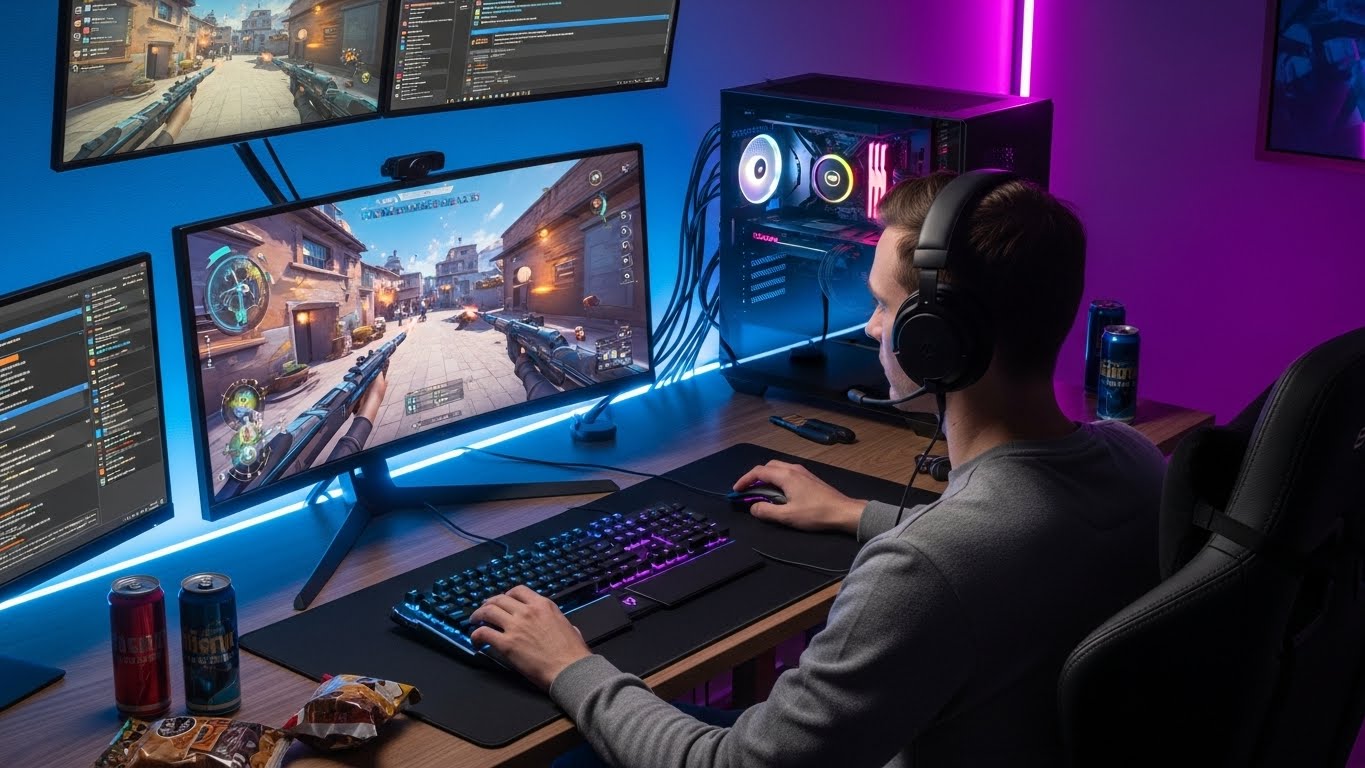
Introduction: The Rise of a Global Gaming Culture
Gaming has evolved from a simple leisure activity into one of the most powerful forms of entertainment in the world. Once limited to pixelated screens and arcade machines, it has become a digital universe where creativity, technology, and human imagination merge. Today, gaming is not just about playing; it is about connecting, storytelling, competing, and exploring new realities.
Every generation has experienced gaming differently. For some, it was playing simple handheld devices; for others, it is now virtual reality and online multiplayer adventures. The gaming industry has grown into a multi-billion-dollar global powerhouse, shaping art, technology, and even social interaction. This blog explores the journey of gaming—its origins, its evolution, its impact on society, and the limitless potential it holds for the future.
The Origins of Gaming: From Playgrounds to Pixels
Games have been part of human history long before technology existed. Ancient civilizations used stones, sticks, and boards to create games that reflected strategy, chance, and storytelling. Chess, Go, and other classic games were early examples of human curiosity and competition.
The birth of digital gaming came in the mid-twentieth century when engineers and scientists experimented with computers to create interactive programs. In the 1970s, arcade machines appeared in public spaces, offering simple yet captivating games like Pong and Space Invaders. These innovations gave people a taste of what digital fun could be.
By the 1980s, gaming entered homes through consoles like the Atari and Nintendo Entertainment System. Characters such as Mario and Donkey Kong became cultural icons. Gaming shifted from a novelty to a staple of modern entertainment, and its evolution had only just begun.
The Golden Age of Video Games
The 1990s and early 2000s marked the golden age of gaming. This era saw rapid technological growth, with 3D graphics, CD-ROM storage, and more powerful consoles changing the landscape forever. Games became larger, more detailed, and more narrative-driven. Titles like The Legend of Zelda, Final Fantasy, and Metal Gear Solid transformed gaming into an art form that combined storytelling, music, and design.
Multiplayer gaming also emerged as a social phenomenon. Local co-op games allowed friends to share experiences on a single screen, while early internet connections introduced online competition. For many, gaming became more than a pastime—it became a way to connect and compete.
This period also saw the rise of PC gaming, offering advanced graphics, complex mechanics, and online communities. From strategy games to first-person shooters, the diversity of gaming expanded dramatically, shaping the foundation for the industry we know today.
The Technological Revolution of Gaming
Modern gaming is powered by extraordinary technological innovation. Graphics engines create lifelike visuals, motion capture brings characters to life, and artificial intelligence allows games to adapt to player behavior. Virtual reality and augmented reality have made it possible to step directly into digital worlds, blurring the line between fantasy and reality.
Cloud gaming is another groundbreaking development. Players no longer need expensive hardware to enjoy high-quality experiences—games can now be streamed directly through the internet. This accessibility has opened gaming to millions of new players around the world.
Sound design and storytelling have also evolved. Developers craft cinematic experiences that rival movies, complete with orchestral soundtracks and complex characters. Gaming has matured into a form of interactive art that stimulates the senses and emotions like no other medium can.
The Psychology of Play: Why We Love Games
Humans are naturally drawn to play. Psychologists suggest that play helps people learn, solve problems, and express creativity. Gaming taps into this instinct by combining challenge, reward, and exploration. Every victory releases dopamine, the brain’s pleasure chemical, motivating players to keep going.
Games offer a sense of achievement and control. Whether it’s completing a difficult mission, building a city, or solving a puzzle, players experience satisfaction in mastering skills and overcoming obstacles.
Moreover, gaming provides escapism. It allows individuals to step away from daily stresses and explore new worlds where imagination reigns supreme. Some games even promote mindfulness, offering peaceful experiences that help players relax and reflect.
The Social Impact of Gaming
Gone are the days when gaming was viewed as a solitary hobby. Today, it is a deeply social experience that brings people together across countries and cultures. Online multiplayer platforms allow friends and strangers to collaborate or compete in shared digital spaces.
Communities have formed around every type of game, from casual mobile players to dedicated esports teams. These groups exchange tips, create fan art, and even organize real-world meetups. Gaming has become a new form of socialization where bonds are built through shared adventures.
Streaming platforms have also turned gaming into a spectator sport. Millions of viewers watch others play, not just for entertainment but to learn and connect. This new culture has created influencers, professional gamers, and entire careers built around play.
The Economic Powerhouse of Gaming
The gaming industry now surpasses music and film in global revenue. With millions of players worldwide, gaming has become a key driver of innovation, job creation, and digital commerce. Major releases can generate billions of dollars in sales within days.
Beyond traditional console and PC gaming, mobile gaming has become a dominant force. The convenience of smartphones allows anyone to play on the go, making gaming more accessible than ever before. From strategy games to puzzle challenges, mobile titles appeal to all ages and backgrounds.
Esports—competitive gaming—has transformed gaming into a professional industry. Players compete for prizes worth millions, and tournaments attract audiences comparable to major sports events. This growing ecosystem of sponsors, developers, and fans continues to fuel gaming’s global expansion.
Gaming as an Art Form
Many still view gaming as simple entertainment, but it has grown into one of the most influential art forms of the 21st century. Like film, literature, and music, games tell stories, evoke emotion, and express human creativity.
Every detail in a well-designed game—the environment, dialogue, music, and visuals—works together to immerse players in a narrative experience. Some games tackle deep philosophical questions, while others explore history, science fiction, or fantasy worlds.
Developers are artists in their own right. They paint with pixels, compose digital symphonies, and build universes that engage not just the mind, but also the heart. The artistic merit of gaming continues to gain recognition, influencing everything from fashion to cinema.
Educational and Therapeutic Value of Gaming
Gaming is no longer just entertainment—it is also a powerful educational tool. Interactive learning games teach mathematics, languages, history, and science in ways that engage students more effectively than traditional methods. Simulations help learners apply knowledge practically, fostering problem-solving and creativity.
In healthcare, games are used for therapy and rehabilitation. They help patients recover motor skills, manage anxiety, and build cognitive strength. Virtual reality experiences are even used to treat phobias or train medical professionals through realistic simulations.
Games can also promote empathy and awareness. Many titles address social issues, encouraging players to understand different perspectives. This educational and emotional power makes gaming a force for positive change.
The Challenges Facing the Gaming Industry
Despite its growth, the gaming industry faces important challenges. Concerns about addiction, excessive screen time, and exposure to harmful content continue to spark debate. Game developers and regulators are introducing measures to promote healthy gaming habits and parental control.
Online toxicity and cyberbullying also remain problems. Efforts are being made to create safer digital spaces through moderation, community guidelines, and artificial intelligence tools.
Another challenge is inclusivity. The gaming world has made progress in representing diverse characters and creators, but there is still a need for broader representation across gender, ethnicity, and ability. Building a more inclusive industry ensures that gaming remains welcoming and inspiring for everyone.
The Future of Gaming: A Boundless Frontier
The future of gaming is full of promise and excitement. With advancements in artificial intelligence, virtual reality, and cloud technology, the next generation of games will be more immersive, realistic, and emotionally engaging than ever before.
The concept of the metaverse—shared digital universes where people can live, play, and work—represents the next step in gaming evolution. In these spaces, gaming will merge with social media, education, and creativity, allowing users to experience digital life in entirely new ways.
As technology evolves, gaming will continue to break barriers, inspiring new art forms, connecting people globally, and redefining how humanity experiences play.
Conclusion: The Infinite Game of Imagination
Gaming is more than pixels and controllers—it is a living, breathing art form that captures the essence of human creativity. It challenges, teaches, inspires, and entertains. It has grown from humble beginnings to become a cultural cornerstone that influences how we think, learn, and connect.
From ancient board games to digital realities, the spirit of play has always driven human progress. Gaming embodies that timeless desire to explore, compete, and imagine. It celebrates our ability to turn ideas into experiences and dreams into worlds.
The future of gaming is boundless, and as long as people continue to dream, the game will go on—forever evolving, forever inspiring, and forever connecting us in the universal language of play.