
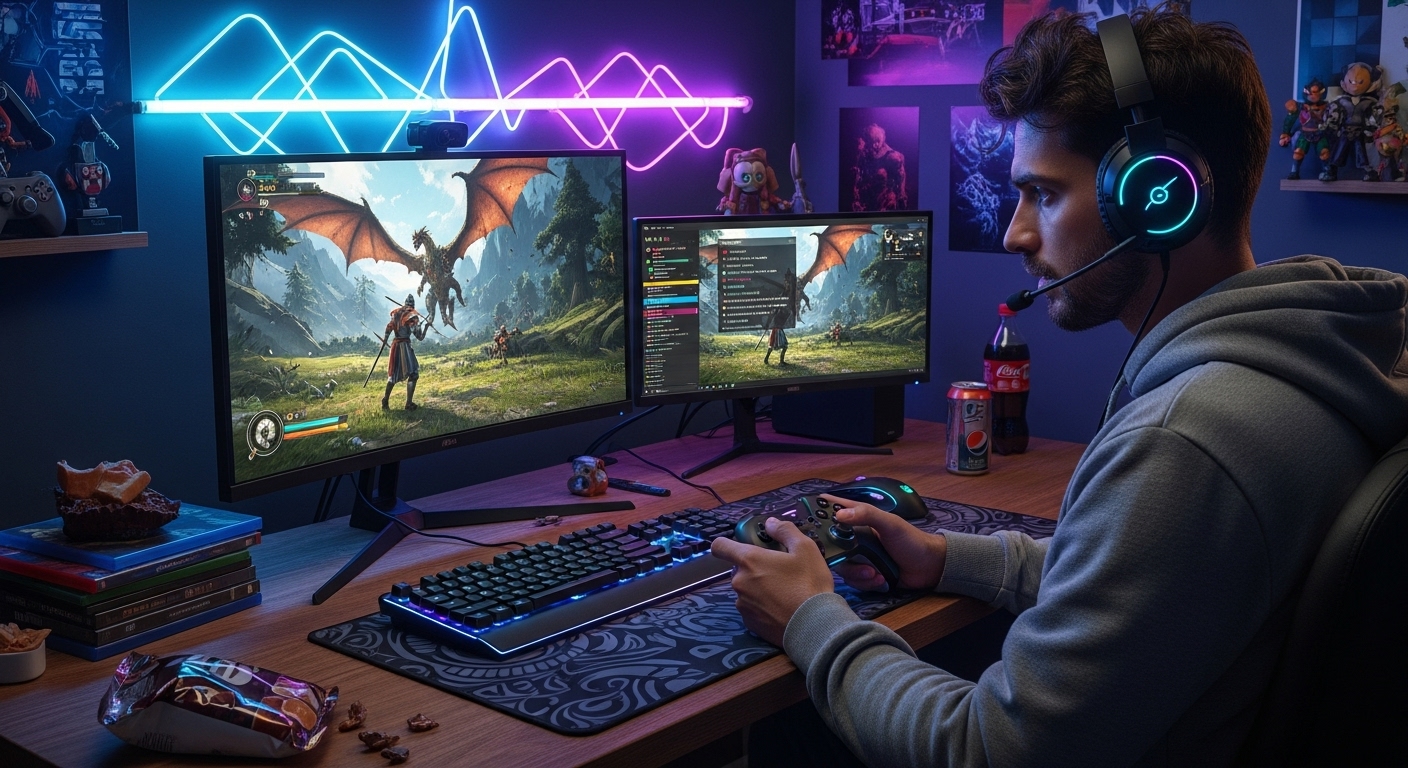
Introduction: The Digital Playground of the Modern Age
Video games have become one of the most popular and influential forms of entertainment in the modern era. From simple pixelated games in the 1970s to sprawling 3D worlds today, gaming has transformed the way people interact, learn, and socialize. It is no longer just a pastime; it is a cultural phenomenon, a career path, and even a platform for social change. Gaming offers immersive experiences that challenge the mind, encourage creativity, and bring communities together. This blog explores the history, impact, and future of gaming, emphasizing its significance in modern society.
The History and Evolution of Gaming
The journey of gaming began in the 1970s with arcade classics like Pong, Space Invaders, and Pac-Man. These early games were simple yet engaging, capturing the imagination of players and creating the first competitive gaming communities. Home consoles soon followed, bringing interactive entertainment into living rooms and expanding the reach of gaming worldwide.
In the 1990s, personal computers and online connectivity revolutionized gaming. Titles like Doom, StarCraft, and Quake introduced multiplayer experiences that allowed players to compete and collaborate across long distances. The 2000s saw the emergence of online gaming platforms and MMORPGs, while the 2010s brought the rise of mobile and casual gaming. Today, gaming spans consoles, PCs, mobile devices, and cloud platforms, catering to millions of players worldwide.
Gaming as a Form of Entertainment
Unlike traditional entertainment mediums, gaming is interactive. Players actively shape the narrative, make strategic choices, and directly influence outcomes. Role-playing games, adventure titles, and simulation games provide immersive worlds where players can explore, create, and challenge themselves.
Games such as The Legend of Zelda, Red Dead Redemption, and Minecraft demonstrate the diversity of experiences available. Players can embark on epic quests, craft their own worlds, or engage in high-stakes competitive challenges. This interactivity creates a unique sense of agency, making gaming a deeply engaging and rewarding form of entertainment.
The Cognitive Benefits of Gaming
Beyond entertainment, gaming offers cognitive benefits. Strategy games, puzzles, and complex simulations enhance critical thinking, problem-solving, and multitasking skills. Action games improve reflexes, hand-eye coordination, and spatial awareness, while story-driven games foster creativity and emotional intelligence.
Players are often required to plan, adapt, and make split-second decisions, which develops mental agility and resilience. Gaming also encourages perseverance, as players face challenges and setbacks that require patience and innovative solutions. These cognitive advantages highlight the value of gaming beyond mere leisure.
Social Interaction and Community Building
Gaming is a powerful social medium. Online multiplayer games allow people to connect, collaborate, and compete with others around the world. Communities form through shared experiences, discussions, and tournaments, creating lasting friendships and networks.
Games like Fortnite, World of Warcraft, and League of Legends exemplify this social aspect, where teamwork, strategy, and communication are essential for success. Streaming platforms and gaming forums further enhance social interaction, providing spaces for fans and players to engage, learn, and celebrate their shared passion.
Competitive Gaming and Esports
The rise of Esports has transformed gaming into a professional arena. Players now compete in tournaments with structured teams, coaches, and sponsorships, drawing millions of spectators globally. Competitions like the League of Legends World Championship and The International showcase the highest level of skill, strategy, and teamwork.
Professional gamers undergo rigorous training, often practicing six to ten hours a day to master mechanics, refine strategies, and maintain mental focus. Esports has legitimized gaming as a serious pursuit and opened new career paths, demonstrating that gaming requires discipline, talent, and resilience.
Gaming and Storytelling
Modern video games are remarkable storytelling platforms. Unlike movies or books, games allow players to participate in the narrative, influencing events and outcomes through their choices. Games like The Witcher, Life is Strange, and Bioshock offer deep, immersive stories that explore morality, identity, and human experience.
Interactive storytelling enhances emotional engagement, empathy, and decision-making skills. Players become invested in characters and worlds, creating personal experiences that are unique to gaming. This blend of narrative and interactivity sets gaming apart as a transformative form of artistic expression.
The Rise of Mobile and Casual Gaming
Mobile gaming has broadened the reach of video games, making them accessible to virtually anyone with a smartphone. Titles like Candy Crush, Clash of Clans, and Pokémon Go have created massive global audiences and introduced millions to gaming for the first time.
Mobile games also encourage social interaction through cooperative and competitive modes. Augmented reality titles like Pokémon Go promote physical activity and community engagement, demonstrating how gaming can intersect with daily life and social interaction in innovative ways.
The Economic Impact of Gaming
Gaming is not just a cultural force; it is a significant economic driver. The industry generates billions of dollars through game development, publishing, hardware sales, tournaments, and streaming platforms. It supports careers in design, programming, marketing, event management, content creation, and professional gameplay.
Major releases and international tournaments have economic ripple effects, including merchandising, tourism, and media coverage. Gaming’s economic impact illustrates its importance as both an entertainment medium and an industry that drives innovation and employment worldwide.
Challenges in the Gaming World
Despite its growth, gaming faces challenges. Excessive gameplay can contribute to health issues such as eye strain, poor posture, and sedentary lifestyles. Some games also pose risks of addiction or encourage aggressive behavior if not approached mindfully.
Additionally, online gaming communities can sometimes foster toxic behavior and harassment. Developers and players are increasingly addressing these challenges through inclusive game design, moderation, and community guidelines. By creating safe and welcoming environments, the industry is working to ensure gaming remains a positive experience for all participants.
Technological Innovations in Gaming
Technological advancements continue to transform gaming. Virtual reality and augmented reality offer immersive experiences, while cloud gaming enables high-quality play on devices without powerful hardware. Artificial intelligence enhances gameplay by creating adaptive opponents and dynamic worlds, personalizing experiences for players.
Technology also supports streaming, allowing millions to watch competitive gameplay and interact with content creators. These innovations make gaming more interactive, immersive, and accessible than ever before, bridging the gap between player and audience.
The Future of Gaming
The future of gaming promises unprecedented innovation. Virtual and augmented reality will create worlds that blur the lines between digital and physical experiences. Social and multiplayer features will continue to expand, fostering global communities and collaborative play.
Games will increasingly incorporate education, mental health applications, and real-world problem-solving, demonstrating their potential as tools for learning and development. As technology and creativity evolve, gaming will remain a dominant force in entertainment, culture, and human interaction.
Conclusion: Gaming as a Transformative Medium
Gaming has grown far beyond its humble beginnings as a form of simple amusement. It is now a transformative medium that blends entertainment, education, social connection, and creative expression. From professional Esports competitions to casual mobile play, gaming provides experiences that challenge the mind, foster communities, and inspire innovation.
As a cultural phenomenon, gaming continues to shape how we interact, learn, and connect in the digital age. It has become a universal language that unites people across age, geography, and culture, proving that video games are more than just play—they are a powerful, transformative force in the modern world.