Introduction: Gaming as a Cultural Phenomenon
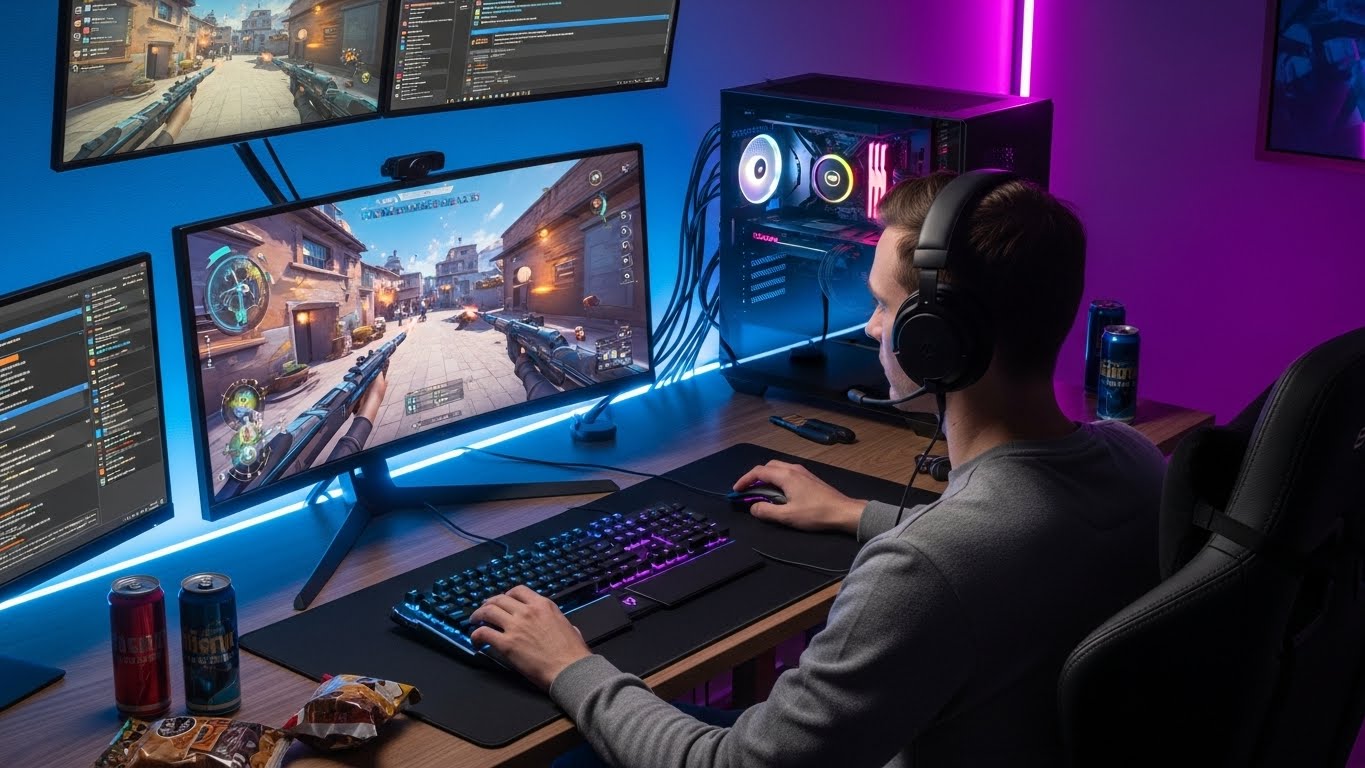
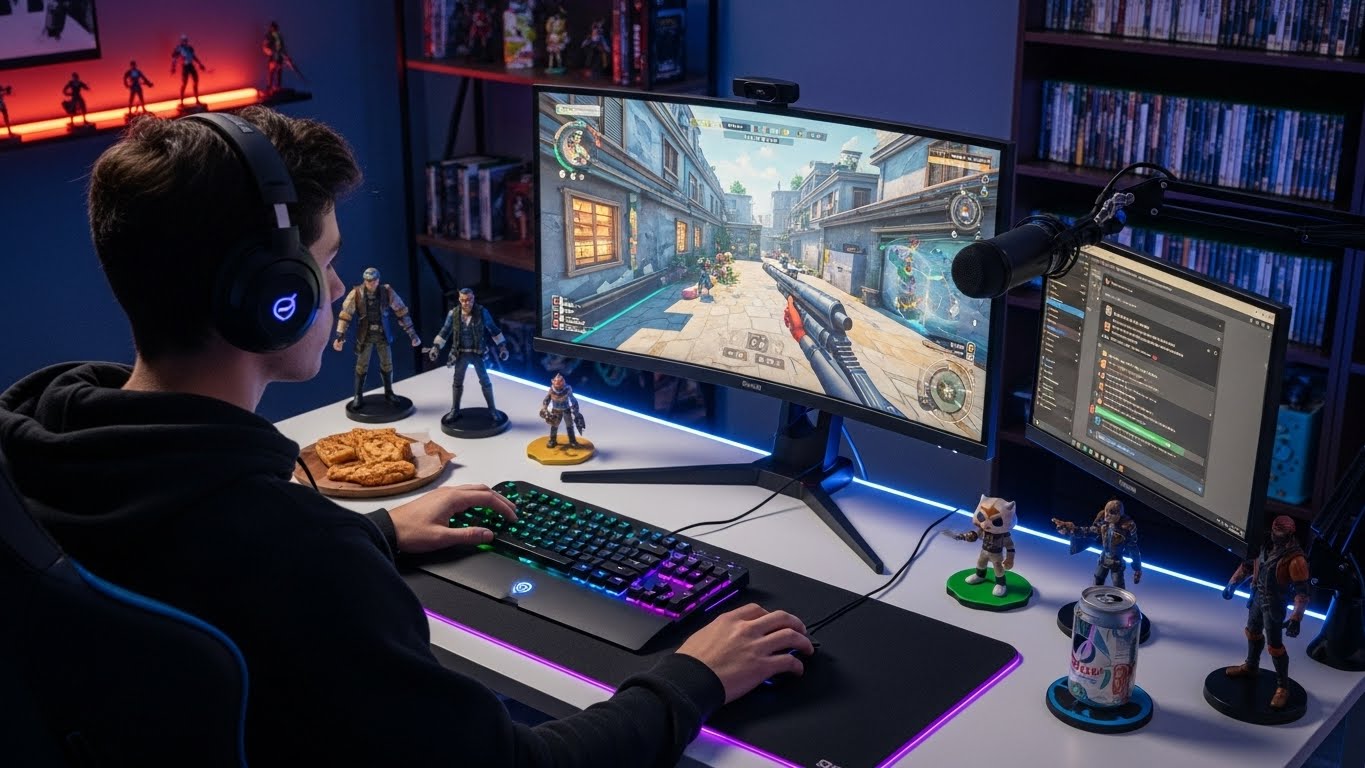
Gaming has transformed from a niche hobby into a global cultural force. Once considered a simple pastime for children or enthusiasts, video games now influence technology, storytelling, social interaction, and even education. With millions of people playing across consoles, PCs, and mobile devices, gaming has become a mainstream activity that shapes modern life. Beyond entertainment, games foster creativity, problem-solving, and social connection, making them one of the most dynamic forms of interactive media. This blog explores the multifaceted world of gaming, examining its history, cultural impact, and future potential.
The Origins of Gaming: From Arcades to Home Consoles
The story of gaming begins in the 1970s and 1980s with arcade classics like Pong, Space Invaders, and Pac-Man. These early games introduced simple mechanics but sparked immense excitement among players. Arcades were more than gaming spaces; they were social hubs where players competed for high scores, formed friendships, and shared strategies.
The introduction of home consoles in the 1980s changed the way people interacted with games. Systems like the Nintendo Entertainment System and Sega Genesis brought gaming into living rooms, giving players the ability to explore immersive worlds from the comfort of home. This shift allowed developers to experiment with longer narratives, complex mechanics, and a variety of genres that appealed to a wider audience.
Technological Advancements and the Evolution of Gameplay
Gaming’s evolution is closely tied to advancements in technology. Early video games were limited by hardware constraints, resulting in simple graphics and repetitive gameplay. However, as technology advanced, games became more sophisticated, offering richer graphics, realistic physics, and complex artificial intelligence.
The transition from 2D to 3D graphics in the 1990s marked a major milestone. Players could now explore expansive environments, interact with objects, and engage in more immersive gameplay. In recent years, virtual reality, augmented reality, and cloud gaming have pushed these boundaries even further. VR headsets allow players to enter fully interactive worlds, while cloud gaming makes high-quality experiences accessible without expensive hardware.
Gaming as an Artistic Medium
Modern video games are more than just entertainment—they are a form of art. Story-driven games now rival films and novels in narrative depth, with carefully crafted worlds, characters, and story arcs. Games allow players to make meaningful choices that affect outcomes, creating a personalized experience that traditional media cannot replicate.
Music, sound design, and visual artistry play a crucial role in shaping the gaming experience. Games like role-playing adventures and open-world titles immerse players in visually stunning landscapes, emotional storylines, and detailed character development. This combination of art and interactivity highlights the unique power of games to engage players on multiple sensory and emotional levels.
The Social Impact of Gaming
Gaming has become a powerful social experience. Online multiplayer games allow players to connect with friends and strangers around the world, collaborating or competing in real time. Communities have formed around popular games, creating forums, discussion groups, and fan spaces where players share tips, experiences, and creations.
Esports has further amplified the social dimension of gaming. Professional tournaments draw millions of viewers and provide players with opportunities to compete at the highest level. Beyond professional competition, esports has inspired everyday gamers to improve their skills, participate in local competitions, and form teams, turning gaming into a shared social activity with real-world impact.
Cognitive Benefits and Learning Through Games
Contrary to outdated stereotypes, gaming offers numerous cognitive benefits. Strategy games enhance problem-solving and critical thinking skills, while puzzle games improve spatial reasoning and pattern recognition. Action games can increase reaction times, attention, and decision-making abilities.
Educational institutions have recognized the potential of games as learning tools. Interactive game-based learning helps students retain information more effectively and develop collaboration skills. Simulation games allow learners to practice real-world scenarios in a safe, controlled environment, making education more engaging and practical. Gaming, therefore, is not only entertaining but also intellectually stimulating.
Creativity and Content Creation in Gaming
Many modern games encourage creativity, allowing players to design levels, characters, or even entire game worlds. Games like sandbox and simulation titles give players tools to express themselves and share their creations with others. This creative engagement deepens immersion and allows players to actively participate in the evolution of the gaming experience.
Beyond in-game creativity, gaming inspires content creation outside of the game itself. Players create fan art, videos, music, and stories, building communities and sharing their passion with others. For some, these creative pursuits lead to professional opportunities in game development, digital art, or content creation, showing that gaming nurtures artistic expression in multiple dimensions.
Open-World Gaming: Freedom and Exploration
Open-world games have become some of the most popular titles in modern gaming. Unlike linear games, open-world experiences give players the freedom to explore vast environments, take on side quests, and create their own stories. This freedom enhances immersion and allows players to feel as though they are part of a living, breathing world.
The appeal of open-world games lies in choice. Players can focus on main objectives or explore every corner of the game world, uncovering secrets, interacting with NPCs, and experimenting with different strategies. This dynamic form of gameplay emphasizes agency, making each player’s journey unique and memorable.
The Emotional Power of Gaming
Gaming is uniquely capable of evoking strong emotions. Players experience joy, fear, excitement, and empathy through interactive storytelling and gameplay. Unlike passive forms of entertainment, games require active engagement, which deepens emotional investment.
Overcoming challenges, completing quests, and forming connections with in-game characters create lasting memories. Emotional experiences in games resonate with players, fostering attachment to characters and worlds that can stay with them long after the game is turned off. This emotional connection is a key reason why gaming continues to thrive as a medium.
The Rise of Competitive Gaming and Esports
Competitive gaming has become a global phenomenon. Esports tournaments showcase high-level skill, strategy, and teamwork, attracting millions of viewers and significant sponsorship. Professional players dedicate countless hours to mastering mechanics, developing strategies, and perfecting teamwork, much like traditional athletes.
For casual players, competitive gaming offers motivation to improve, participate in leagues, and challenge themselves. The rise of esports highlights how gaming has evolved from casual entertainment to a structured and respected form of competition with social and economic significance.
The Future of Gaming
The future of gaming promises unprecedented innovation. Artificial intelligence will make game worlds more dynamic and responsive, creating unpredictable and engaging experiences. Cloud gaming will remove hardware limitations, allowing anyone to access high-quality games from anywhere. Virtual reality and augmented reality will continue to immerse players in interactive worlds.
Gaming will increasingly intersect with education, professional training, and even mental health. Virtual environments offer safe spaces for learning, practicing skills, and therapeutic experiences. As technology advances, the possibilities for gaming to entertain, educate, and connect people will continue to expand, cementing its role as a central part of modern life.
Conclusion: Gaming as a Transformative Medium
Gaming is no longer just a hobby; it is a transformative medium that shapes culture, creativity, and human connection. From its humble beginnings in arcades to today’s complex virtual worlds, gaming has evolved into an art form, a social platform, and a cognitive tool.
As technology continues to advance, games will become more immersive, interactive, and meaningful. They will continue to bring people together, foster creativity, and provide both entertainment and educational value. Gaming has proven that it is not merely a form of play but a powerful medium capable of shaping the way we think, feel, and interact with the world around us.
In essence, gaming is more than pixels on a screen—it is an experience that challenges, inspires, and connects people across the globe, creating a universe where imagination meets reality.