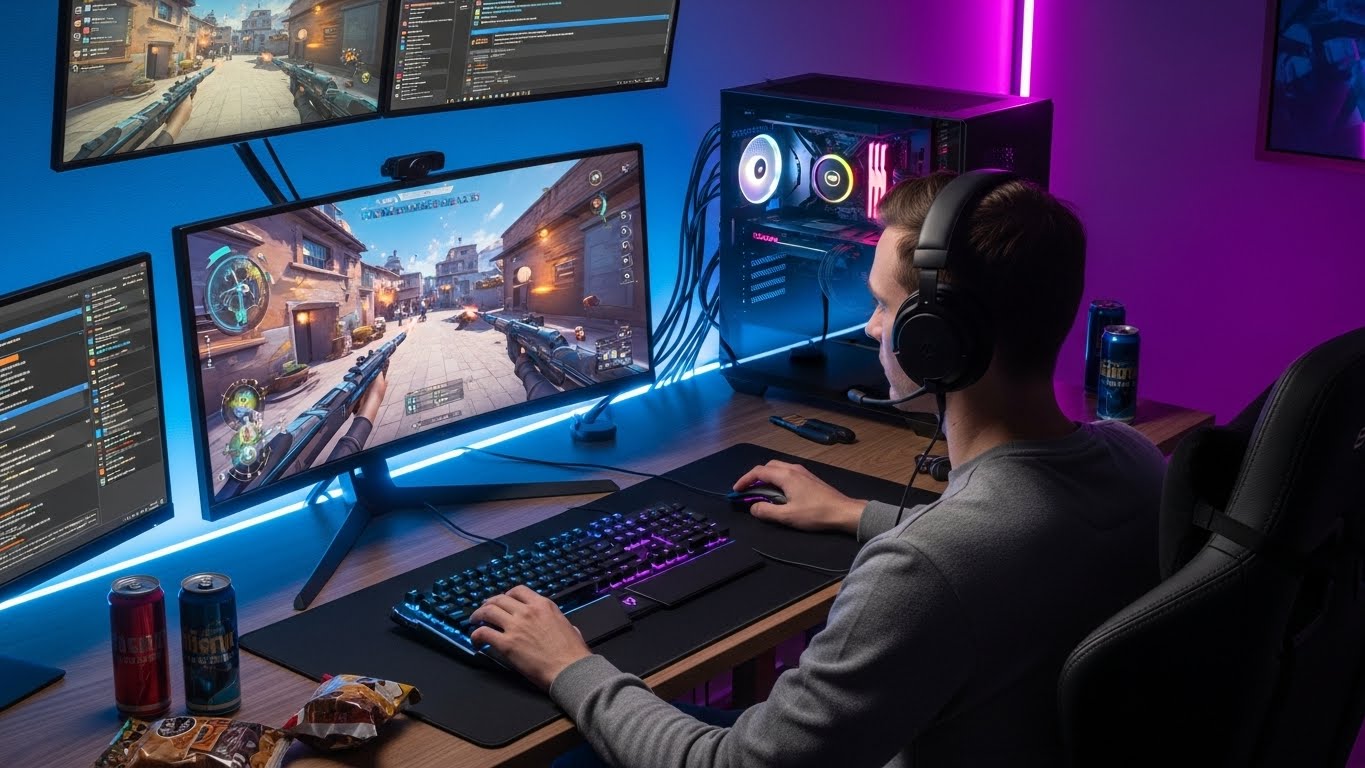
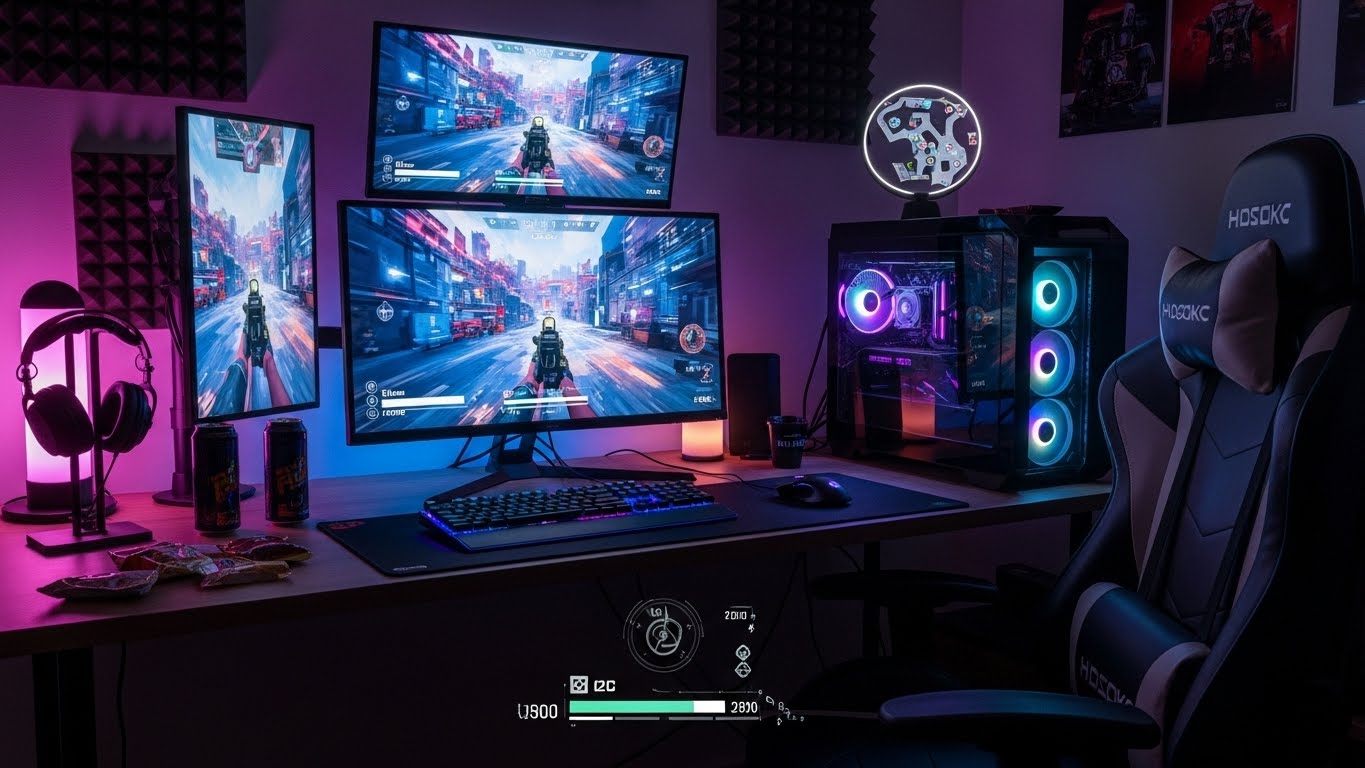
Gaming is no longer just a hobby; it has evolved into a global cultural phenomenon that impacts entertainment, technology, social interactions, and even education. From the pixelated arcade games of the 1980s to the immersive virtual reality experiences of today, gaming has transformed dramatically over the decades. This blog post delves into the various dimensions of gaming, its evolution, the technology behind it, its influence on society, and why it continues to captivate millions around the world.
The Evolution of Gaming: From Pixels to Reality
The history of gaming is a fascinating journey through technological innovation and human creativity. Early video games like Pong and Space Invaders introduced players to a digital world, offering simple yet addictive gameplay. These games relied on basic graphics and mechanics, but they laid the foundation for what would become a multi-billion-dollar industry.
As technology advanced, so did gaming. The introduction of home consoles like the Nintendo Entertainment System and Sega Genesis brought gaming into living rooms around the world. Players could now enjoy complex games without needing to visit arcades. With better graphics, more sophisticated storylines, and richer gameplay, the home console revolution changed the way people interacted with games.
The 21st century introduced a new era of gaming. Online multiplayer games like World of Warcraft, Fortnite, and Call of Duty created communities where players could connect, compete, and collaborate from across the globe. Mobile gaming also surged, allowing anyone with a smartphone to enjoy casual or competitive gameplay. The rise of virtual reality and augmented reality now offers players experiences that blur the line between the digital and real world, making gaming more immersive than ever before.
The Technology Behind Gaming
Modern gaming relies on cutting-edge technology to deliver seamless and engaging experiences. Graphics processing units, or GPUs, have become essential for rendering detailed worlds and realistic characters. Developers use sophisticated software to create lifelike animations, complex physics, and artificial intelligence that adapts to player behavior.
Online gaming has also benefited from advances in internet infrastructure. Faster connections, cloud computing, and dedicated gaming servers allow players to interact in real-time with minimal lag. Streaming technology has enabled platforms where players can broadcast their gameplay to audiences worldwide, further expanding the influence of gaming culture.
Virtual reality headsets and motion-sensing controllers have transformed the way players interact with games. Instead of using traditional keyboards or controllers, players can now physically move, gesture, and explore digital environments. This technology is not just for entertainment; it’s being applied in education, healthcare, and training simulations, demonstrating gaming’s broader potential.
The Social Impact of Gaming
Gaming is often perceived as a solitary activity, but it has a significant social component. Online multiplayer games foster communities where players collaborate, strategize, and form lasting friendships. Social features like in-game chat, guilds, and clans encourage teamwork and communication, skills that extend beyond the virtual world.
Esports has taken competitive gaming to an unprecedented level. Professional gamers compete in tournaments with large audiences and substantial prize pools, turning gaming into a legitimate career path. Streaming platforms allow fans to engage with their favorite players, creating a unique form of celebrity culture around gaming personalities. Gaming conventions and events bring communities together in celebration of their shared passion, reinforcing the social nature of this medium.
Moreover, gaming has become an important tool for social inclusion. Games designed for accessibility ensure that people with disabilities can enjoy the same experiences as others. Multiplayer platforms offer spaces where individuals from different backgrounds, cultures, and ages can interact, fostering diversity and understanding in ways traditional media cannot.
Gaming and Cognitive Development
Beyond entertainment, gaming can offer cognitive and educational benefits. Strategy games, puzzles, and simulations challenge players to think critically, plan ahead, and solve complex problems. Studies have shown that certain games can improve memory, attention, and spatial reasoning skills. Action games, for example, may enhance hand-eye coordination and reaction times, skills that are valuable in both virtual and real-world contexts.
Educational games have emerged as a powerful tool for learning. By combining fun with instruction, games make it easier for students to grasp complex subjects. Science simulations, historical reenactments, and language-learning platforms leverage gamification to engage learners more effectively than traditional methods. This trend highlights the potential of gaming as more than just a pastime—it can be a vehicle for personal growth and intellectual development.
The Business of Gaming
The gaming industry has grown into a multibillion-dollar enterprise, influencing technology, entertainment, and even fashion. Major gaming companies invest heavily in research, development, and marketing to create experiences that captivate audiences worldwide. Game launches are now major events, generating excitement, media coverage, and substantial revenue on release day alone.
Microtransactions, downloadable content, and subscription models have transformed how games are monetized. Free-to-play games offer entry without upfront costs but generate revenue through cosmetic items, expansions, or premium features. Subscription services provide access to a library of games, encouraging continuous engagement and loyalty. This evolving business model demonstrates how gaming has become a sophisticated and dynamic market.
Gaming as a Cultural Phenomenon
Gaming has permeated popular culture, influencing movies, music, fashion, and even social trends. Iconic characters and franchises have become cultural symbols recognized beyond the gaming community. Music and soundtracks from games influence other entertainment forms, while gaming references appear in television, film, and literature. Cosplay and fan art celebrate these virtual worlds, turning them into tangible cultural experiences.
The rise of gaming content on social media has also shaped cultural conversations. Players share experiences, strategies, and humorous moments, creating a vibrant and interactive culture. Memes, tutorials, and reaction videos spread quickly, demonstrating how gaming content can influence trends and public discourse.
Challenges and Controversies in Gaming
Despite its many benefits, gaming faces challenges and controversies. Concerns about addiction, screen time, and exposure to violent or inappropriate content are frequently discussed. Parents, educators, and policymakers are increasingly focused on how to balance gaming with other aspects of life. Developers are responding with parental controls, content warnings, and features designed to promote healthy gaming habits.
The gaming industry also faces criticism for diversity and representation issues. Historically, games often lacked representation of women, minorities, and marginalized groups. However, there has been significant progress in recent years, with more games offering diverse characters, inclusive narratives, and accessible gameplay options.
Cybersecurity and online harassment are other concerns. Online interactions can sometimes lead to toxic behavior, requiring platforms to implement robust moderation and safety measures. Despite these challenges, the gaming community continues to grow and adapt, highlighting the resilience and dynamism of this culture.
The Future of Gaming
The future of gaming promises to be even more immersive and interconnected. Virtual reality and augmented reality will continue to evolve, offering experiences that feel indistinguishably real. Artificial intelligence may enable adaptive storytelling, creating games that respond uniquely to each player’s decisions. Cloud gaming could make high-quality experiences accessible without expensive hardware, further democratizing access.
Cross-platform play and social gaming will expand, connecting players across devices and locations. Games may increasingly serve educational, therapeutic, and professional purposes, blurring the boundaries between work, learning, and entertainment. As technology continues to advance, the potential for gaming to shape culture, education, and social interactions is virtually limitless.
Conclusion: Gaming as a Modern Art Form
Gaming is no longer just a form of entertainment; it is a complex, multifaceted phenomenon that blends technology, culture, and human creativity. From its humble beginnings to its current status as a global industry, gaming continues to evolve and inspire. It challenges players intellectually, connects people socially, and creates immersive worlds that reflect both reality and imagination.
Whether you are a casual player exploring mobile games, a dedicated gamer competing in esports, or a developer creating the next big title, gaming offers experiences that are both enjoyable and meaningful. As we look to the future, gaming will undoubtedly continue to redefine how we play, learn, and connect in the digital age. It is not merely a pastime; it is a modern art form, a social platform, and a testament to human ingenuity.