Introduction
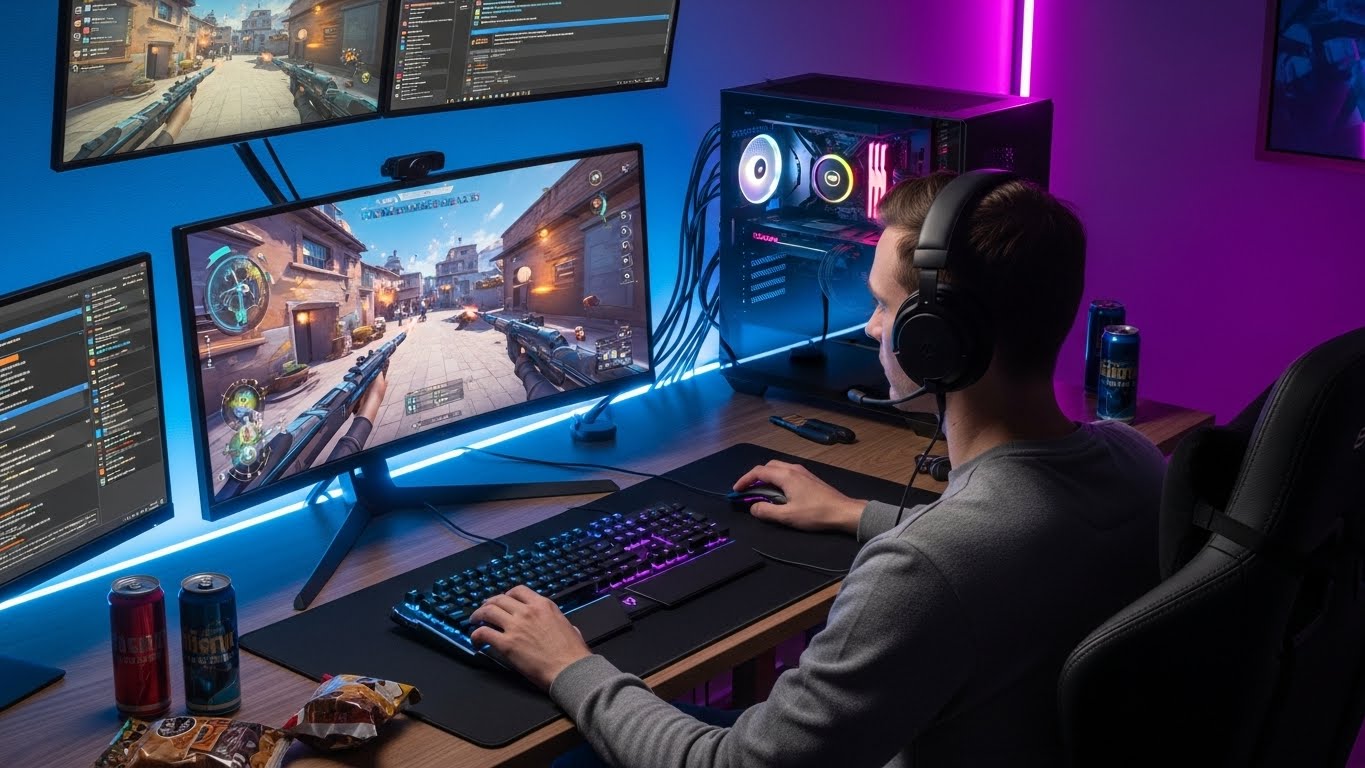
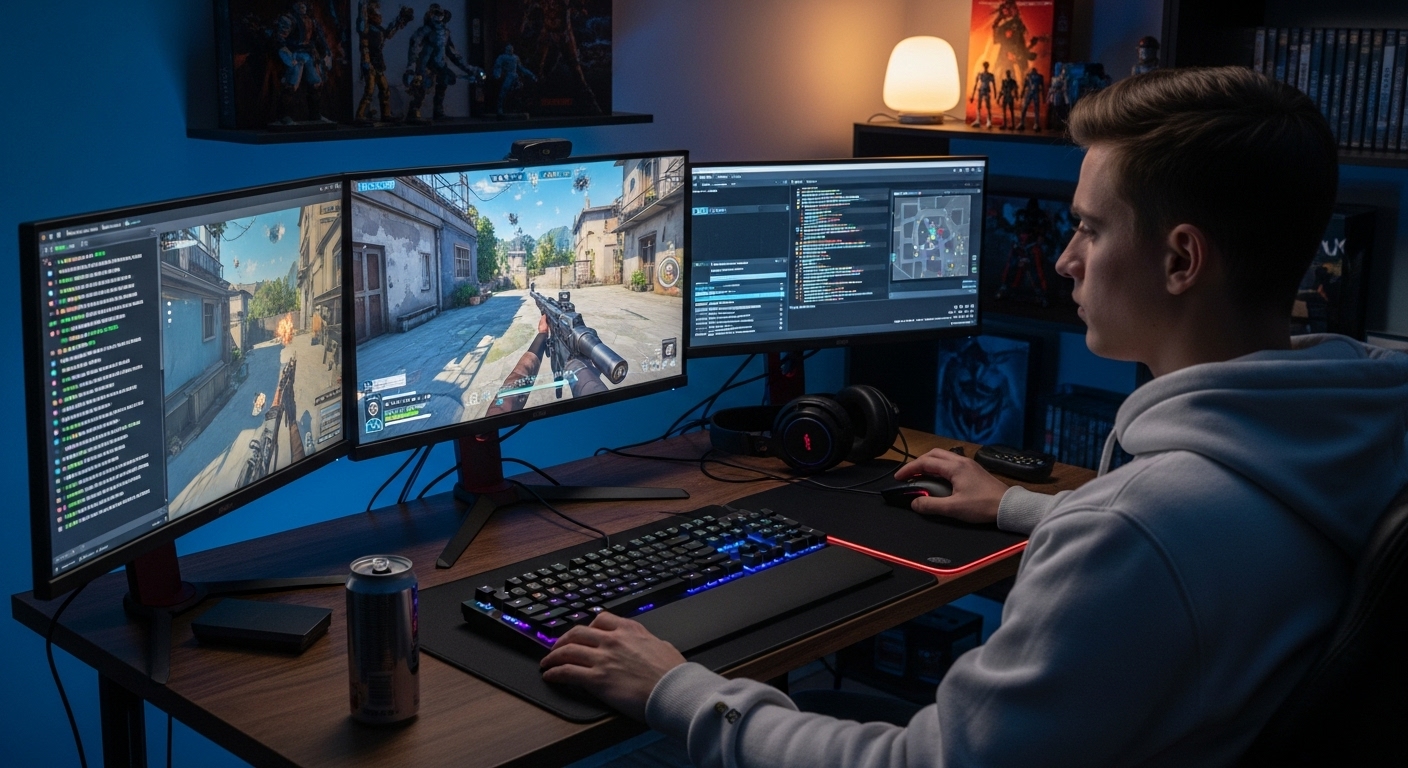
Gaming has evolved far beyond being a simple pastime or childhood hobby. What was once considered a niche activity has grown into a global cultural phenomenon that touches millions of lives daily. From immersive console experiences to competitive esports, gaming has transformed how we interact with technology, tell stories, and even connect with other people. In this blog, we explore the multifaceted world of gaming, examining its history, psychological impact, societal influence, technological advancements, and the exciting future that lies ahead.
The Evolution of Gaming
The journey of gaming is a fascinating one. It began with simple arcade machines and early consoles like the Atari, where players engaged in pixelated adventures for entertainment. These early games focused primarily on high scores and competition but laid the foundation for the gaming culture we know today.
As technology advanced, games became more sophisticated, introducing narratives, complex characters, and immersive worlds. The 1990s and early 2000s marked the rise of console giants like PlayStation and Xbox, while PC gaming flourished with genres like strategy, simulation, and first-person shooters. Today, gaming spans multiple platforms, from mobile devices to virtual reality, providing experiences that are both deeply interactive and visually stunning.
This evolution reflects not only technological advancement but also the growing understanding of gaming as a medium of storytelling, social interaction, and even education.
The Psychological Benefits of Gaming
Contrary to the stereotype of gaming as a purely time-wasting activity, research has shown that gaming offers numerous psychological benefits. Strategic games can improve problem-solving skills, critical thinking, and decision-making. Puzzle and role-playing games enhance creativity and adaptability, allowing players to experiment with solutions in virtual environments.
Gaming also provides an outlet for stress relief and relaxation. Engaging in a challenging game can redirect focus away from daily pressures, offering a sense of accomplishment and mental escape. Multiplayer games foster social interaction, teamwork, and communication skills, helping players develop collaborative abilities that extend into real-life situations.
Furthermore, narrative-driven games allow players to empathize with characters, explore moral dilemmas, and experience diverse perspectives in ways that traditional media cannot. This emotional engagement contributes to personal growth and a deeper understanding of human experiences.
Gaming as a Cultural Force
Gaming has become a major cultural phenomenon that influences art, media, and even social behavior. Iconic characters, game worlds, and franchises have entered mainstream consciousness, shaping pop culture and inspiring fashion, music, and storytelling.
Communities built around gaming are incredibly vibrant. Online forums, streaming platforms, and social media allow players to share experiences, strategies, and fan creations. Gaming events and conventions bring fans together, creating real-world connections based on shared digital experiences.
Moreover, gaming often mirrors societal trends and themes. Storylines may tackle topics such as identity, ethics, politics, and environmental issues, providing players with both entertainment and reflection. As such, gaming has emerged as a medium for cultural commentary, sparking conversations that reach far beyond the virtual world.
The Rise of Competitive Gaming and Esports
One of the most significant developments in modern gaming is the rise of competitive gaming, or esports. Professional gaming tournaments attract millions of viewers worldwide, offering substantial prize pools and career opportunities for top players. Games like League of Legends, Dota 2, and Counter-Strike have become international phenomena, showcasing gaming as a legitimate competitive sport.
Esports has transformed gaming from a solitary or casual hobby into a high-stakes professional pursuit. Teams train rigorously, adopting strategies, analyzing opponents, and maintaining physical and mental fitness. Spectators engage in live streaming platforms, experiencing the thrill of competition in real time, much like traditional sports fans.
This evolution has not only elevated gaming’s status in society but also highlighted its potential to drive innovation in broadcasting, audience engagement, and digital media.
The Technology Behind Modern Gaming
Technological innovation is at the heart of gaming’s transformation. Graphics engines, artificial intelligence, and virtual reality have enabled the creation of lifelike worlds that respond dynamically to player actions. Physics simulations, realistic character animations, and immersive soundscapes enhance the sense of presence and engagement.
Cloud gaming and high-speed internet have further expanded accessibility. Players can now stream high-quality games on mobile devices without expensive hardware, opening the medium to a broader audience. Artificial intelligence is also being used to create smarter in-game opponents, dynamic storylines, and adaptive gameplay, pushing the boundaries of what is possible in interactive entertainment.
Additionally, cross-platform gaming allows players from different devices to connect, creating a seamless and inclusive gaming experience that bridges previously isolated communities.
Gaming and Education
Gaming is increasingly recognized as a valuable educational tool. Educational games can make learning interactive and enjoyable, enhancing retention and engagement. Simulations allow students to practice skills in safe, controlled environments, from medical procedures to engineering challenges.
Beyond formal education, gaming encourages skills like strategic thinking, resource management, and teamwork. Role-playing games require planning and adaptability, while strategy games emphasize problem-solving and analytical reasoning. Even social games teach negotiation, empathy, and communication, demonstrating that gaming can be both fun and intellectually enriching.
Many educators and researchers are now exploring how gamification can enhance learning in various disciplines, bridging the gap between entertainment and education.
Social Connection Through Gaming
One of the most remarkable aspects of gaming is its ability to connect people. Multiplayer and online games allow players to interact with friends and strangers worldwide. Communities form around shared interests, challenges, and achievements, fostering friendships that extend beyond the digital realm.
Streaming platforms and content creation have further strengthened social bonds. Gamers can share experiences in real time, receive feedback, and engage with audiences directly. These platforms have transformed individual gaming experiences into collective entertainment, turning gameplay into performance and social interaction simultaneously.
Gaming also provides inclusive spaces for individuals who may feel isolated in other areas of life. Communities often embrace diverse identities, offering safe and supportive environments where people can express themselves freely.
Challenges in the Gaming World
While gaming offers numerous benefits, it is not without challenges. Excessive gaming can lead to addiction, social withdrawal, or negative physical impacts. It is important for players to balance gaming with other aspects of life, including exercise, social interaction, and professional responsibilities.
Additionally, issues like toxic behavior in online communities, harassment, and exploitation within the gaming industry must be addressed. Responsible gaming practices, ethical development, and community moderation are crucial to ensure that gaming remains a positive and inclusive activity for all.
The Future of Gaming
The future of gaming is limitless and full of potential. Virtual reality, augmented reality, and mixed reality promise unprecedented immersion. Artificial intelligence could create worlds that adapt dynamically to players’ choices, offering unique experiences for every individual.
Gaming is also likely to further integrate with other media forms, blurring the lines between interactive experiences, films, and social platforms. Accessibility will continue to improve, making high-quality gaming experiences available to people of all abilities and backgrounds.
Moreover, as gaming continues to influence culture, education, and professional sports, its societal impact will expand, solidifying its place as one of the most influential forms of entertainment in the modern era.
Conclusion
Gaming is far more than entertainment; it is a dynamic cultural, social, and technological force. It challenges the mind, connects communities, inspires creativity, and reflects societal trends. From the pixelated screens of the past to the immersive worlds of today, gaming has evolved into a medium that is both deeply personal and universally shared.
As technology advances and creative boundaries expand, gaming will continue to shape the way we experience stories, learn new skills, and connect with others. It is a testament to human ingenuity, imagination, and the enduring desire to play, explore, and grow. Gaming is not just a hobby; it is a window into the future of entertainment and human connection.