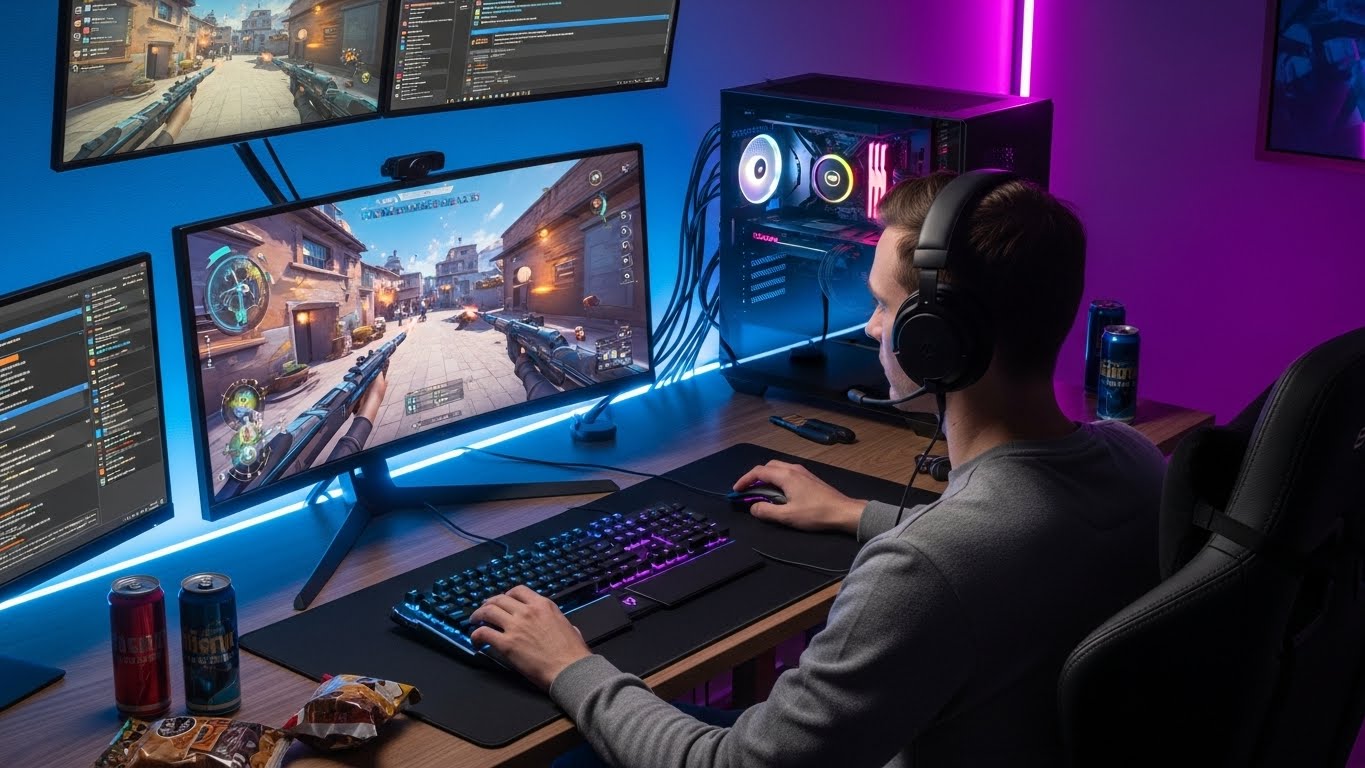
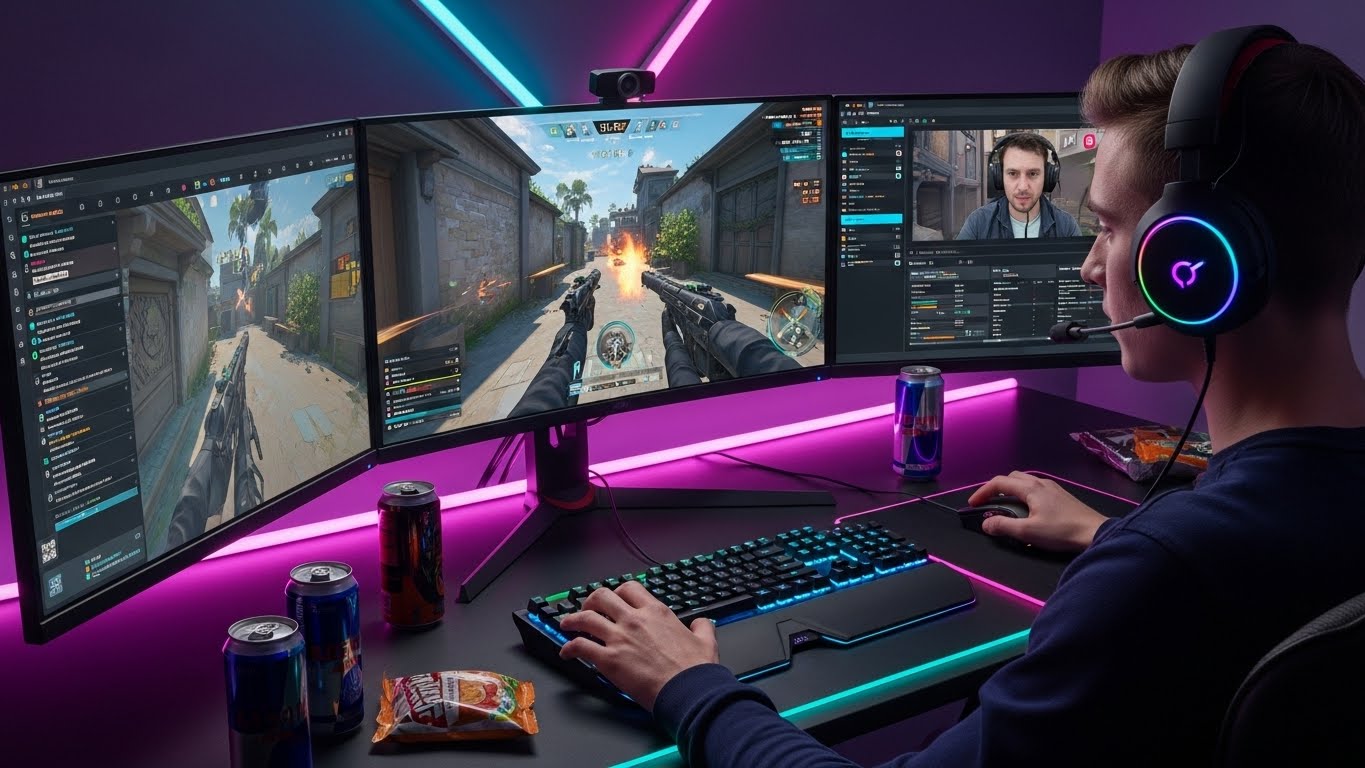
Gaming has evolved from a niche pastime into a global phenomenon that transcends age, culture, and geography. What once started as simple pixelated entertainment has transformed into a dynamic industry combining art, storytelling, technology, and social interaction. Today, gaming is not merely a leisure activity; it is a medium that influences culture, fosters creativity, and builds connections among players worldwide. Understanding gaming’s impact provides insight into why it has become one of the most powerful forms of modern entertainment.
The Origins of Gaming: From Arcades to Home Consoles
The history of gaming dates back several decades, beginning with arcade machines in the 1970s. Titles like Pong, Space Invaders, and Pac-Man captivated audiences and introduced competitive gameplay to public spaces. Arcades became social hubs where players could gather, compete for high scores, and form communities.
The arrival of home consoles, such as the Atari 2600 and the Nintendo Entertainment System, brought gaming into living rooms. Home consoles allowed people to engage with games at their own pace, fostering longer and more personal gaming experiences. This transition from public arcades to private homes set the foundation for the explosion of gaming culture in the decades to follow.
The Rise of PC Gaming: Complexity and Creativity
While consoles popularized gaming in homes, personal computers provided a platform for more complex and immersive experiences. PC gaming introduced advanced graphics, strategic gameplay, and expansive storylines. Role-playing games, real-time strategy games, and simulations became prominent genres that challenged players’ problem-solving skills and creativity.
Games such as Warcraft, StarCraft, and The Sims allowed players not only to engage with pre-designed worlds but also to create and modify environments. PC gaming encouraged innovation and community interaction through online multiplayer platforms, giving rise to competitive play and collaborative projects that expanded the social aspect of gaming.
Mobile Gaming: Gaming on the Go
The development of smartphones and tablets revolutionized gaming by making it portable and accessible. Mobile games such as Candy Crush, Clash of Clans, and PUBG Mobile reached millions of users worldwide, demonstrating that gaming could appeal to both casual and dedicated audiences.
Mobile gaming also introduced new mechanics that leveraged touchscreen controls, accelerometers, and motion sensors. The convenience of playing anywhere, combined with the social connectivity of online leaderboards and multiplayer modes, transformed gaming into a daily, accessible activity for people of all ages.
The Social Dimension of Gaming
Modern gaming is as much a social experience as it is a form of entertainment. Online multiplayer games allow players to team up, compete, and communicate with others globally. Titles like Fortnite, Minecraft, and Among Us exemplify how gaming fosters collaboration, strategic thinking, and community building.
Streaming platforms such as Twitch and YouTube Gaming further enhance social interaction. Players can share gameplay live, interact with fans, and participate in global communities. Gaming has evolved into a medium that connects people, fosters friendships, and creates a sense of belonging among diverse communities.
Storytelling and Art in Games
Video games have emerged as a sophisticated form of storytelling and artistic expression. Unlike passive media, games allow players to shape narratives through choices and actions, creating immersive and personal experiences. Titles like The Last of Us, Red Dead Redemption, and The Witcher series demonstrate complex storylines, rich character development, and ethical decision-making.
In addition to narrative depth, games feature remarkable visual design, immersive soundtracks, and cinematic experiences. Music, voice acting, and environmental design enhance the emotional impact, making games a unique blend of art, technology, and interactivity. Players become participants in a story, experiencing emotions and challenges alongside the characters.
Esports and Competitive Gaming
Esports has transformed gaming into a professional and spectator-driven endeavor. Competitive titles like League of Legends, Dota 2, and Counter-Strike attract millions of viewers and offer substantial prize pools. Professional players train rigorously, dedicating hours each day to practice, strategy, and teamwork.
Esports tournaments have become major cultural events, drawing global audiences and sponsorships. They highlight gaming as a legitimate career path, providing opportunities for recognition, collaboration, and professional growth. The rise of esports emphasizes gaming’s status as a competitive, skill-based activity comparable to traditional sports.
Technological Advancements in Gaming
Technology drives the evolution of gaming. High-definition graphics, artificial intelligence, advanced physics engines, and virtual reality have elevated gameplay and immersion. Motion-sensing controllers, haptic feedback, and augmented reality further enhance player interaction, blurring the lines between the virtual and physical worlds.
Cloud gaming represents another major advancement, allowing players to access high-quality games without expensive hardware. These technological innovations make gaming more accessible, interactive, and inclusive, ensuring that experiences continue to evolve alongside player expectations.
Educational and Cognitive Benefits
Gaming is not only entertaining but also educational. Strategy and puzzle games enhance problem-solving abilities, critical thinking, and spatial reasoning. Multiplayer and team-based games teach communication, leadership, and collaborative decision-making. These cognitive and social skills are transferable to professional and academic environments.
Educational games have emerged as tools for learning in subjects such as mathematics, science, and history. By incorporating interactive gameplay, these experiences make learning engaging, memorable, and effective. Gaming’s educational potential demonstrates that it can be both fun and intellectually enriching.
Challenges in Gaming
Despite its benefits, gaming faces challenges that affect players, developers, and communities. Gaming addiction, excessive screen time, and toxic online behavior are ongoing concerns. Additionally, debates surrounding representation, inclusivity, and the ethics of in-game monetization highlight the need for responsible game design and community management.
Developers and communities are increasingly adopting measures to promote healthy habits, positive interactions, and safe environments. Addressing these challenges ensures that gaming continues to be a sustainable and enjoyable form of entertainment for players of all ages.
The Cultural Impact of Gaming
Gaming has become a major cultural force, influencing art, music, literature, and fashion. Games inspire fan art, music remixes, cosplay, and creative content, reflecting the deep engagement of players with virtual worlds. Gaming conventions and tournaments serve as cultural gatherings, celebrating creativity, technology, and community.
The global nature of gaming fosters cross-cultural exchange and understanding. Players from diverse backgrounds connect, collaborate, and compete, creating shared experiences that transcend language, geography, and social barriers. Gaming culture has become a vibrant part of modern society, shaping trends and inspiring creativity worldwide.
The Future of Gaming
The future of gaming promises continued innovation and expansion. Virtual reality, augmented reality, and artificial intelligence will create even more immersive experiences. Social gaming and interactive storytelling will further enhance player engagement, fostering collaboration and community building.
Gaming will also continue intersecting with education, professional development, and social initiatives. As technology advances and creativity flourishes, gaming will remain a powerful medium for entertainment, learning, and connection, shaping how people interact with digital worlds and with each other.
Conclusion: Gaming as a Transformative Experience
Gaming has evolved into a multifaceted medium that entertains, educates, and connects people globally. It combines storytelling, art, technology, and social interaction, creating experiences that are immersive, interactive, and transformative.
Whether through casual mobile games, competitive esports, or narrative-driven console titles, gaming offers opportunities for personal growth, creativity, and connection. Its impact on culture, cognition, and community ensures that gaming will continue to be a powerful and influential force in modern society. From simple pixels to expansive virtual worlds, gaming has transformed entertainment and continues to level up our experiences in the digital age.