
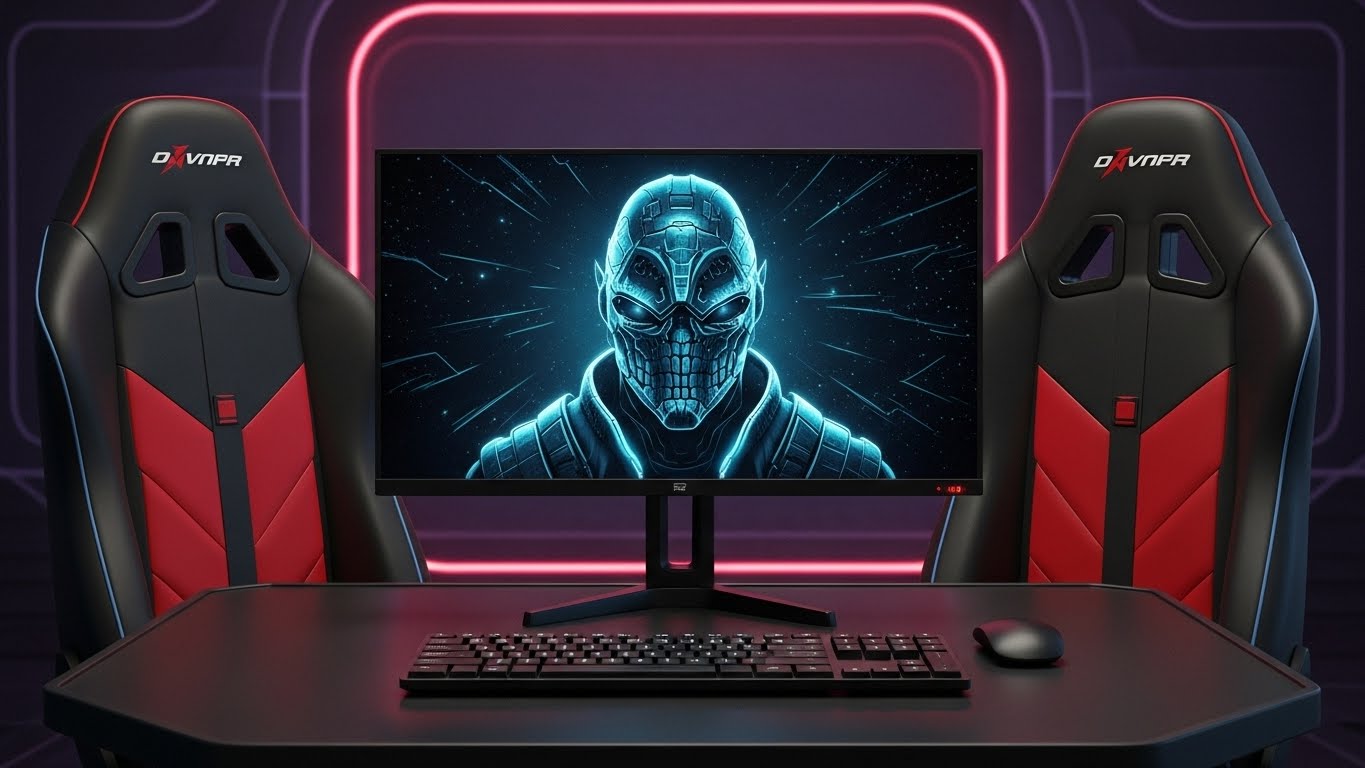
Gaming has evolved from a niche hobby to a global cultural phenomenon, captivating millions of people from all walks of life. From early pixelated classics to hyper-realistic virtual worlds, video games have transformed into a multi-billion-dollar industry that shapes entertainment, social interactions, and even education. Today, gaming is not just a pastime; it’s an art form, a competitive sport, and a platform for self-expression.
The Rise of Gaming: From Arcades to Consoles
The story of gaming begins in the 1970s when the first arcade games started to appear. Titles like Pong and Space Invaders brought new experiences to players, combining interactive entertainment with technology. Arcades became social hubs where people gathered to compete and have fun, creating the foundation for gaming culture as we know it today.
In the 1980s and 1990s, home consoles like the Atari 2600, Nintendo Entertainment System (NES), and Sega Genesis made gaming more accessible. With these consoles, players could enjoy their favorite games at home, leading to an explosion in popularity. The introduction of iconic franchises such as Super Mario, The Legend of Zelda, and Sonic the Hedgehog helped establish gaming as a major form of entertainment, appealing to a wide audience.
Consoles evolved with technological advancements, and by the early 2000s, we saw the arrival of systems like the PlayStation 2, Xbox, and the Nintendo GameCube. These consoles offered more sophisticated gameplay experiences, better graphics, and online multiplayer capabilities, which played a huge role in shaping the modern gaming landscape.
The Evolution of Video Game Genres
Over the years, gaming has diversified into a wide range of genres, each offering different experiences to suit various tastes and preferences. From action-packed shooters to emotionally charged story-driven narratives, there’s something for everyone in the gaming world.
Action and Adventure Games
Action and adventure games have long been some of the most popular genres in gaming. Titles like Grand Theft Auto, The Legend of Zelda, and Assassin’s Creed combine elements of exploration, puzzle-solving, and combat. These games immerse players in vast open worlds where they can engage in thrilling quests, uncover hidden secrets, and face off against formidable foes.
With the advent of open-world games, players now have more freedom than ever before to explore expansive virtual worlds. The ability to roam, interact, and shape the world around them has redefined the gaming experience, creating a sense of immersion and agency that was previously unheard of.
Role-Playing Games (RPGs)
Role-playing games (RPGs) have captivated gamers with their rich storytelling, deep character development, and expansive worlds. Whether it’s the Final Fantasy series, The Elder Scrolls V: Skyrim, or The Witcher 3: Wild Hunt, RPGs allow players to step into the shoes of complex characters and make choices that influence the narrative.
RPGs have also embraced online multiplayer components, with games like World of Warcraft and Final Fantasy XIV enabling players to team up with others around the world. These massively multiplayer online role-playing games (MMORPGs) have created entire communities, where players can forge friendships, share experiences, and collaborate on epic quests.
First-Person and Third-Person Shooters
The shooter genre has seen immense growth, particularly in the realm of first-person and third-person shooters. Call of Duty, Halo, Overwatch, and Fortnite are just a few examples of games that have captivated millions with their fast-paced action and competitive gameplay. Multiplayer modes, such as battle royales and team-based objectives, have added a layer of excitement that has turned shooting games into a global phenomenon.
The rise of esports has also been fueled by the popularity of shooter games, with professional leagues, tournaments, and live-streaming platforms like Twitch offering players an opportunity to showcase their skills and earn a living. Esports has become a multi-million dollar industry, drawing huge audiences and creating star players who are recognized worldwide.
Strategy Games
Strategy games, whether in real-time or turn-based formats, challenge players to think critically and plan ahead. Games like StarCraft, Civilization, and Age of Empires require strategic thinking, resource management, and tactical execution. These games appeal to players who enjoy intellectual challenges and problem-solving.
Many strategy games have also embraced online multiplayer, allowing players to compete against one another in competitive matches or cooperate in co-op campaigns. The strategic depth of these games has earned them a dedicated fan base, especially in competitive circles.
Sports and Racing Games
For fans of real-world sports and racing, video games offer a way to engage with their favorite activities virtually. FIFA, NBA 2K, Madden NFL, and Gran Turismo allow players to simulate their favorite sports in a highly realistic setting. Racing games, such as Need for Speed and Forza Horizon, offer high-speed thrills and car customization options.
Sports and racing games also provide an outlet for players to compete against others globally. Online multiplayer modes allow gamers to match up with opponents from around the world, leading to intense competitions and, in some cases, professional careers for top players.
The Social Aspect of Gaming
One of the most significant shifts in the gaming landscape has been the rise of online multiplayer games, which have fostered a sense of community and social interaction. Gaming is no longer a solitary activity; it’s an experience that brings people together, whether they’re collaborating on missions or competing for bragging rights.
Online multiplayer games, such as League of Legends, Minecraft, and Fortnite, have become virtual meeting spaces where players connect with others. The ability to team up with friends, chat in real-time, and share experiences has made gaming a social activity that transcends geographical boundaries.
The rise of streaming platforms like Twitch and YouTube has further enhanced the social aspect of gaming. Gamers can share their gameplay with a global audience, engage with fans, and build communities around their content. Esports tournaments are now broadcast to millions, turning professional players into celebrities.
Gaming as a Form of Expression and Art
Video games are not just about gameplay; they are a form of artistic expression. The design, music, narrative, and visuals all come together to create immersive experiences that can evoke emotions, challenge perspectives, and tell meaningful stories. Games like Journey, The Last of Us, and Red Dead Redemption 2 have proven that video games can be a medium for storytelling that rivals movies and literature.
In fact, the gaming industry has invested heavily in the development of cutting-edge technology to enhance the realism and emotional impact of games. Advanced graphics engines, motion capture, and sophisticated AI have enabled developers to create breathtaking virtual worlds that feel alive and dynamic.
Moreover, gaming as a creative outlet has also grown. Titles like Minecraft and Roblox allow players to build and share their own creations, from simple structures to complex interactive worlds. This aspect of gaming encourages creativity, innovation, and collaboration, allowing players to become creators themselves.
The Impact of Gaming on Education and Professional Development
Beyond entertainment, gaming has also found a place in education. Serious games and simulations are used to teach a wide range of subjects, from history and science to language learning and problem-solving. Educational games can make learning more engaging and interactive, helping students retain information in a fun and memorable way.
In addition, the skills developed through gaming, such as teamwork, communication, strategic thinking, and problem-solving, are valuable in real-world careers. Many industries now recognize the transferable skills gained from gaming, leading to job opportunities in areas like game development, marketing, esports, and digital media.
The Future of Gaming: Virtual Reality and Beyond
As technology continues to advance, the future of gaming is bound to be even more exciting. Virtual reality (VR) and augmented reality (AR) are already starting to transform the way we experience games. With VR headsets, players can immerse themselves in fully realized virtual worlds, interacting with the environment in ways that were previously unimaginable.
Augmented reality, as seen in games like Pokémon GO, blends the virtual and physical worlds, allowing players to interact with digital elements in real-life settings. This technology holds the potential to change the way we play and socialize in the future.
Additionally, the rise of cloud gaming could make high-quality gaming more accessible to a wider audience. Players could stream games on devices that were previously unable to run them, breaking down barriers to entry and opening up the world of gaming to millions of new players.
Conclusion: Gaming as a Global Cultural Force
Gaming has come a long way since its early days in arcades. Today, it is a global phenomenon that influences culture, society, and technology. Whether through competitive esports, social multiplayer games, or immersive storytelling, gaming has become a multifaceted form of entertainment that transcends boundaries. It’s a medium that brings people together, challenges their creativity, and provides new ways to learn, grow, and explore.
As technology continues to evolve, gaming will undoubtedly continue to push the boundaries of what’s possible, offering new and exciting experiences for players around the world.