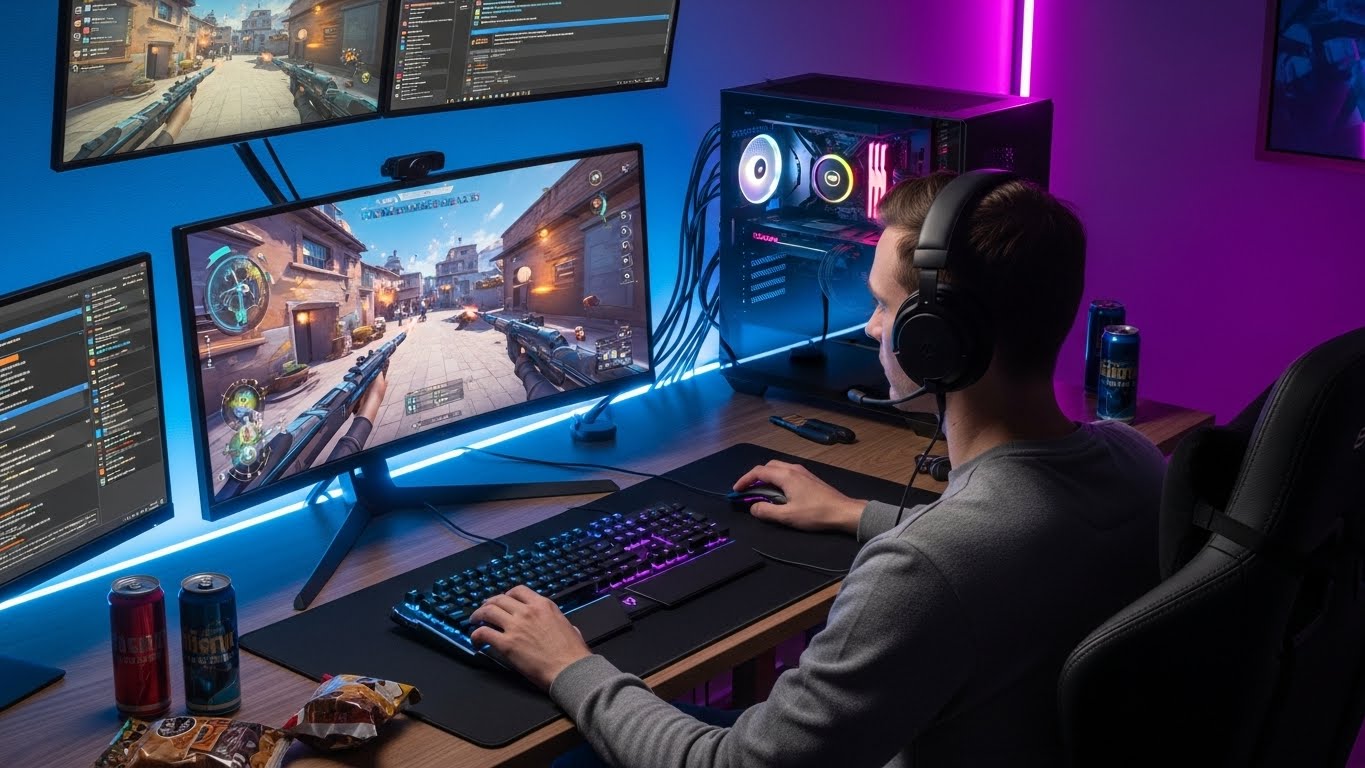

Gaming has evolved far beyond its humble beginnings of pixelated images and 8-bit sounds. Today, it is a multi-billion-dollar industry that encompasses everything from casual mobile games to AAA console and PC titles, offering an immersive experience unlike anything else in entertainment. The gaming world has grown so vast that it feels like there is something for everyone, no matter their age, background, or interests. Whether you are a seasoned gamer or just someone interested in learning about the phenomenon, this post will take you through the exciting journey of gaming, its impact, and why it continues to be such a central part of modern culture.
The Origins of Gaming: From Arcades to Consoles
Gaming has its roots in the 1970s, a time when the world was introduced to the earliest video games. Back then, most games were simple, arcade-style experiences, with titles like Pong and Space Invaders setting the foundation for the industry. These games were often played in public spaces like arcades, where players could compete for high scores and bragging rights. It was a time when gaming was seen as a social activity, bringing people together to share their passion for competition and strategy.
As technology advanced, so did the complexity of the games. In the 1980s and 1990s, the rise of home consoles like the Nintendo Entertainment System (NES), Sega Genesis, and PlayStation gave people the ability to play video games in the comfort of their homes. These consoles not only brought more intricate graphics and gameplay but also started to establish the idea of gaming as a personal and immersive experience.
The rapid technological advancements allowed for the creation of unforgettable games with rich storylines and expansive worlds. This period marked the rise of iconic franchises like Super Mario, The Legend of Zelda, and Final Fantasy, which still dominate the gaming landscape to this day. The idea of gaming as a form of entertainment began to spread globally, creating a loyal community that would continue to grow over the next few decades.
The Explosion of Online Gaming
As internet access became more widespread in the early 2000s, online gaming exploded onto the scene. No longer limited to solo play or local multiplayer, players could now connect with others from around the world. This change brought a new dimension to gaming, where people could team up or compete against others in real-time, no matter the distance between them.
Massively multiplayer online role-playing games (MMORPGs) like World of Warcraft became cultural phenomena, offering players an expansive world to explore and a chance to immerse themselves in a digital universe with thousands of other players. Online shooters like Halo and Call of Duty raised the stakes for competitive gaming, creating thriving communities centered around ranked play and tournaments.
The rise of online gaming also saw the emergence of streaming platforms like Twitch, where players could broadcast their gameplay and interact with a global audience. Gamers became celebrities in their own right, building massive followings and even turning professional gaming into a legitimate career. Esports, a competitive gaming sector, grew rapidly as millions of people tuned in to watch professional teams compete for enormous prizes and global recognition.
The Evolution of Game Genres
Gaming has always been about more than just playing—it’s about engaging with different worlds, narratives, and challenges. Over the years, different genres of games have emerged, each catering to different types of players. Let’s explore some of the most popular genres in modern gaming.
Role-Playing Games (RPGs)
RPGs are all about storytelling and character development. These games allow players to step into the shoes of a protagonist (or multiple protagonists) and experience an immersive narrative. The RPG genre has its roots in tabletop games like Dungeons & Dragons, and modern games like The Witcher 3, Skyrim, and Persona 5 have pushed the boundaries of what can be achieved in digital storytelling.
RPGs are known for their intricate worlds, quests, and character customization. Players often make choices that impact the story’s outcome, which means every playthrough can be a unique experience. The combination of compelling narratives and open-world exploration makes RPGs one of the most beloved genres in gaming.
Action-Adventure Games
Action-adventure games blend the thrill of action with the immersive experience of adventure. Think of titles like Uncharted, The Legend of Zelda: Breath of the Wild, or Tomb Raider. These games often involve puzzles, platforming, and combat, with a strong emphasis on exploration and discovery. They take players through exciting landscapes and daring missions while also rewarding them with hidden secrets and treasures.
The narrative-driven gameplay in action-adventure games allows for a deeper connection with the protagonist, creating an experience that feels more like an interactive movie. Whether it’s exploring ancient ruins or facing off against powerful foes, these games keep players on the edge of their seats.
First-Person Shooters (FPS)
First-person shooters are all about fast-paced action, strategic combat, and immersive environments. Games like Call of Duty, Overwatch, and DOOM place players in the role of a character armed with weapons, fighting off enemies in intense battles. The primary focus is on combat, and players must rely on their reflexes, accuracy, and tactical thinking to succeed.
FPS games have gained massive popularity due to their accessibility and thrilling gameplay. Multiplayer FPS games, in particular, have become staples in competitive gaming, with professional tournaments and streaming events drawing in millions of viewers. The genre has become synonymous with skill, precision, and teamwork.
Strategy Games
For players who enjoy thinking several steps ahead, strategy games offer an entirely different experience. In games like StarCraft, Civilization, and Age of Empires, players must manage resources, plan military campaigns, and develop tactics to outsmart their opponents. Unlike fast-paced action games, strategy games require patience, foresight, and an understanding of complex systems.
These games often involve building civilizations, controlling armies, and making critical decisions that will impact the outcome of the game. The genre has a dedicated fanbase that thrives on the mental challenge these games offer.
Battle Royale
The battle royale genre has skyrocketed in popularity in recent years. Games like Fortnite, PUBG, and Apex Legends have introduced a new form of competitive gaming where players are dropped into a large, open map and must fight to be the last one standing. The genre is known for its massive player count, shrinking safe zones, and the need for both skill and strategy to survive.
Battle royale games have become a cultural phenomenon, influencing everything from fashion to memes. They have also brought a new level of excitement to online multiplayer gaming, with regular updates, events, and seasonal content keeping players engaged.
The Social Aspect of Gaming
While gaming has traditionally been seen as a solitary hobby, the modern gaming landscape has changed this narrative. With the rise of online multiplayer games, gaming has become an incredibly social activity. Whether through co-op missions, competitive multiplayer matches, or community-driven events, players now have the chance to connect with friends and strangers from all over the world.
Platforms like Discord, Xbox Live, and PlayStation Network have made it easier than ever to communicate with fellow gamers, form teams, and share experiences. The social aspect of gaming has led to the creation of lasting friendships and even romantic relationships, with players bonding over shared experiences in virtual worlds.
In addition to connecting with friends, gamers can also interact with their favorite content creators and streamers, forging an even deeper connection with the gaming community. This sense of camaraderie is one of the key factors that has kept gaming thriving for so many years.
The Future of Gaming: What’s Next?
The gaming industry shows no signs of slowing down. In fact, it is only becoming more innovative, with emerging technologies like virtual reality (VR), augmented reality (AR), and artificial intelligence (AI) set to revolutionize how we play games. The development of VR and AR headsets is already creating more immersive experiences, allowing players to step directly into their favorite game worlds in a way that was once thought impossible.
Cloud gaming is another exciting development. Services like Google Stadia and Xbox Cloud Gaming allow players to stream games directly to their devices without needing high-end hardware. This opens up gaming to a wider audience, as more people can play AAA titles on a variety of devices, including smartphones and tablets.
Furthermore, the rise of indie game developers is contributing to the diversity of the gaming world. These smaller studios often push the boundaries of creativity, delivering fresh and unique experiences that aren’t bound by the conventions of large corporate studios. Indie games like Hades, Celeste, and Hollow Knight have shown that you don’t need a massive budget to create a memorable gaming experience.
The future of gaming is bright, and with each technological advance, new possibilities are being unlocked. Whether it’s exploring new virtual worlds, participating in esports tournaments, or simply enjoying a game with friends, the gaming experience will continue to evolve and captivate audiences for years to come.
Conclusion: The Enduring Allure of Gaming
Gaming is no longer just a pastime; it’s an integral part of modern culture. It has become a medium for storytelling, competition, and connection. From its early days in arcades to the massive global industry it is today, gaming has had a profound impact on society, entertainment, and technology. The variety of genres, the rise of online play, and the social aspect of gaming have all played a role in shaping it into the entertainment powerhouse it is now.
Whether you’re a lifelong gamer or just dipping your toes into the world of video games, there’s something for everyone. The journey through gaming is one of endless possibilities, filled with challenges, adventures, and unforgettable moments. As technology continues to improve and the gaming community continues to grow, there’s no telling where this dynamic industry will take us next.