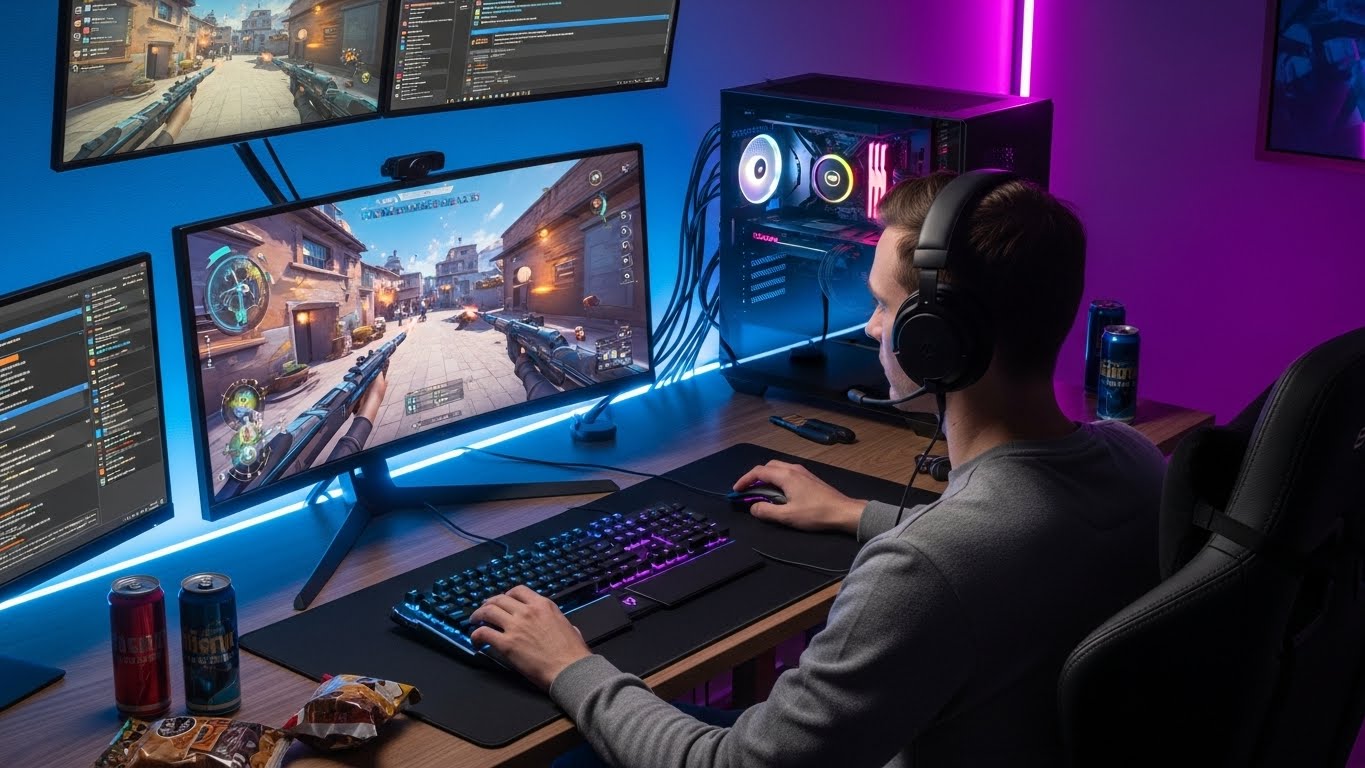

Gaming has transformed dramatically over the past few decades. What began as simple pixelated adventures on early consoles has evolved into a multi-billion-dollar industry fueled by technology, creativity, and community. Today, gaming is not just a hobby; it is a cultural phenomenon that influences entertainment, education, and even social interactions. In this blog, we will explore the modern landscape of gaming, its technological innovations, popular genres, cultural impact, and emerging trends shaping its future.
The Evolution of Gaming
The history of gaming is a journey of continuous innovation. In the 1970s and 1980s, arcade machines and early home consoles introduced players to iconic titles that remain influential today. The introduction of personal computers added a new dimension, allowing for complex gameplay, online multiplayer experiences, and user-generated content.
The 21st century marked a significant shift as online connectivity and mobile technology expanded access to gaming. Players no longer needed to be physically present in an arcade or own an expensive console to enjoy interactive entertainment. Today, anyone with a smartphone or computer can access immersive worlds, compete globally, and connect with millions of other players.
The Technological Backbone of Modern Gaming
Modern gaming relies on cutting-edge technology that enables realistic graphics, dynamic gameplay, and social interaction. Several innovations have shaped the way games are developed and experienced.
Advanced Graphics and Game Engines
High-quality graphics have become a hallmark of modern gaming. Game engines such as Unreal Engine and Unity allow developers to create visually stunning environments, realistic physics, and fluid character animations. The combination of advanced graphics and powerful hardware provides players with immersive experiences that rival movies and virtual reality.
Artificial Intelligence in Gaming
Artificial intelligence plays a pivotal role in modern games. AI drives non-player character behavior, adapts challenges based on player skill, and enhances strategy-based gameplay. In competitive and multiplayer games, AI is used to balance matchmaking, predict player actions, and create challenging scenarios that keep players engaged.
Cloud Gaming and Streaming
Cloud gaming is revolutionizing the accessibility of games. By streaming games directly to devices without the need for high-end hardware, cloud platforms remove traditional barriers to entry. Players can instantly access a vast library of games on computers, smartphones, and even smart TVs, creating a seamless gaming experience.
Virtual Reality and Augmented Reality
Virtual reality (VR) and augmented reality (AR) are changing how players interact with games. VR immerses players in fully interactive 3D worlds, while AR overlays digital elements onto the real world. These technologies enhance immersion, provide new gameplay mechanics, and create unique social and collaborative experiences.
Popular Gaming Genres
Gaming is a diverse medium with genres catering to different tastes, skill levels, and preferences. Understanding the variety of gaming genres helps explain the industry’s massive appeal.
Action and Adventure Games
Action and adventure games are among the most popular genres. They combine fast-paced gameplay with storytelling, allowing players to explore intricate worlds, solve puzzles, and defeat challenging enemies. Titles in this genre often emphasize reflexes, strategy, and exploration, providing both excitement and a sense of accomplishment.
Role-Playing Games
Role-playing games, or RPGs, focus on character development and immersive storytelling. Players take on specific roles, make choices that affect the game world, and experience deep narratives. RPGs often feature open-world exploration, complex quests, and rich lore, attracting players who enjoy long-term engagement and creative decision-making.
Simulation and Strategy Games
Simulation and strategy games appeal to players who enjoy planning, resource management, and critical thinking. From city-building games to life simulations, these games provide opportunities to experiment with real-world scenarios in a virtual environment. Strategy games, in particular, challenge players to think tactically and make calculated decisions to achieve success.
Multiplayer and Competitive Games
The rise of multiplayer online games has created a global gaming community. Competitive games, including battle royale titles and eSports-focused titles, allow players to compete in real time against opponents worldwide. These games foster social interaction, teamwork, and competitive spirit, making them highly engaging for players seeking connection and challenge.
Casual and Mobile Games
Casual and mobile games are designed for accessibility and quick entertainment. Popular among a wide demographic, these games are often easy to learn, with short sessions and simple mechanics. Despite their simplicity, many mobile games achieve massive popularity and revenue due to addictive gameplay and social sharing features.
The Cultural Impact of Gaming
Gaming has become more than just a form of entertainment; it has permeated popular culture and influenced social trends.
Community and Social Interaction
Online gaming platforms have created global communities where players can connect, collaborate, and compete. Social interaction within games fosters friendships, teamwork, and a sense of belonging. Many games include chat features, guilds, and cooperative missions that encourage collaboration and communication.
Education and Skill Development
Gaming also contributes to education and skill development. Many games enhance cognitive skills such as problem-solving, critical thinking, and decision-making. Strategy games improve planning abilities, while multiplayer games foster leadership, teamwork, and communication skills. Educational games integrate learning objectives with engaging gameplay, making learning more interactive and enjoyable.
Representation and Storytelling
Modern games increasingly focus on storytelling and diverse representation. Developers are creating narratives that explore complex characters, social issues, and cultural diversity. This approach allows players to engage emotionally with characters and situations, making gaming a medium for empathy, awareness, and creative expression.
eSports and Professional Gaming
eSports has transformed gaming into a professional sport. Competitive gaming tournaments attract millions of viewers and offer substantial prize pools. eSports athletes train rigorously, build personal brands, and compete on international stages, demonstrating that gaming can be both a profession and a highly respected competitive field.
Emerging Trends in Gaming
The gaming industry is continuously evolving, with new trends shaping the way games are developed and played.
Cross-Platform Play
Cross-platform play allows gamers on different devices to play together seamlessly. This trend breaks down barriers between consoles, computers, and mobile devices, fostering inclusivity and expanding the player base for many games.
Gamification in Non-Gaming Contexts
Gamification is extending beyond traditional gaming into education, fitness, and workplace applications. By incorporating game mechanics such as rewards, challenges, and leaderboards, non-gaming platforms motivate engagement and enhance learning, productivity, and participation.
Artificial Intelligence and Procedural Generation
AI and procedural generation are enhancing creativity in game development. AI-driven content creation allows for adaptive gameplay, while procedural generation creates expansive worlds and unique experiences for each player. These technologies ensure that no two gaming sessions are exactly alike, keeping experiences fresh and engaging.
Sustainable and Inclusive Gaming
The gaming industry is embracing sustainability and inclusivity. Developers are exploring environmentally friendly production methods, while games increasingly feature diverse characters and accessible design for players with disabilities. These trends reflect a commitment to social responsibility and broader engagement.
The Economic Impact of Gaming
Gaming is a major economic force, generating billions of dollars in revenue worldwide. The industry supports jobs in development, marketing, customer service, and technology. Game studios, publishers, and streaming platforms contribute significantly to local and global economies.
The rise of microtransactions, downloadable content, and subscription services has created new revenue streams, allowing developers to fund ongoing game updates, expansions, and community events. In addition, gaming influences adjacent industries, including hardware manufacturing, merchandise, and entertainment media.
The Future of Gaming
The future of gaming is filled with exciting possibilities. Advancements in technology, evolving player expectations, and creative innovation will continue to redefine the medium.
Games will likely become even more immersive through virtual reality, augmented reality, and AI-driven experiences. Cloud gaming will make high-quality games accessible to broader audiences, and cross-platform play will continue to unite global communities. Moreover, storytelling and representation in games will deepen, creating emotionally engaging experiences that resonate with players worldwide.
As gaming grows, balancing entertainment, social impact, and responsible gaming practices will be critical. The industry’s ability to innovate while maintaining accessibility, inclusivity, and ethical standards will shape its long-term success and cultural significance.
Conclusion
Gaming has come a long way from its humble beginnings, evolving into a diverse, technologically advanced, and culturally significant medium. Modern gaming combines entertainment, creativity, social interaction, and professional opportunities, making it a central part of contemporary culture.
From immersive graphics and AI-driven gameplay to competitive eSports and mobile accessibility, gaming continues to redefine entertainment. Its influence extends beyond recreation, shaping skills, social connections, and global communities.
The future of gaming promises even greater innovation, inclusivity, and engagement. As technology continues to advance, players can expect more immersive experiences, richer stories, and a seamless connection between the digital and real world. Gaming is no longer just a pastime; it is a transformative form of entertainment, creativity, and human connection.