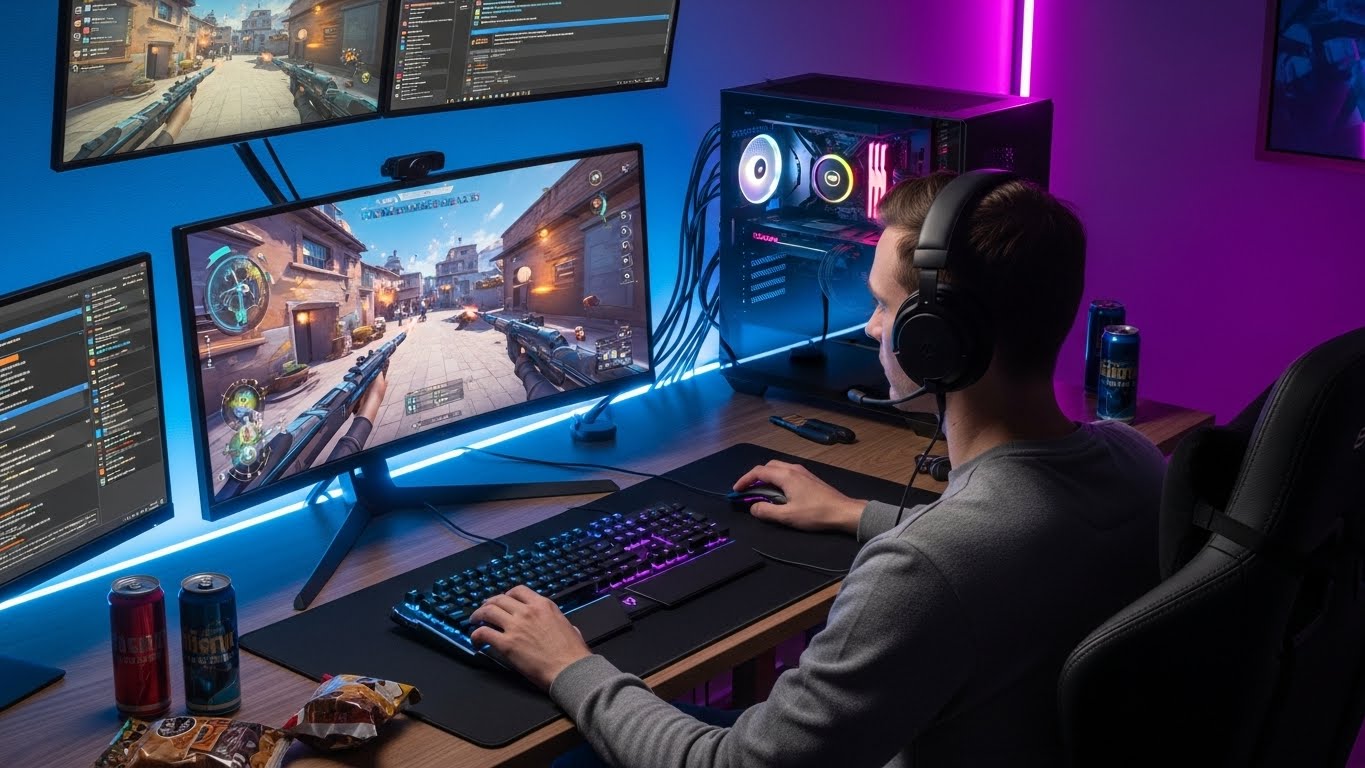
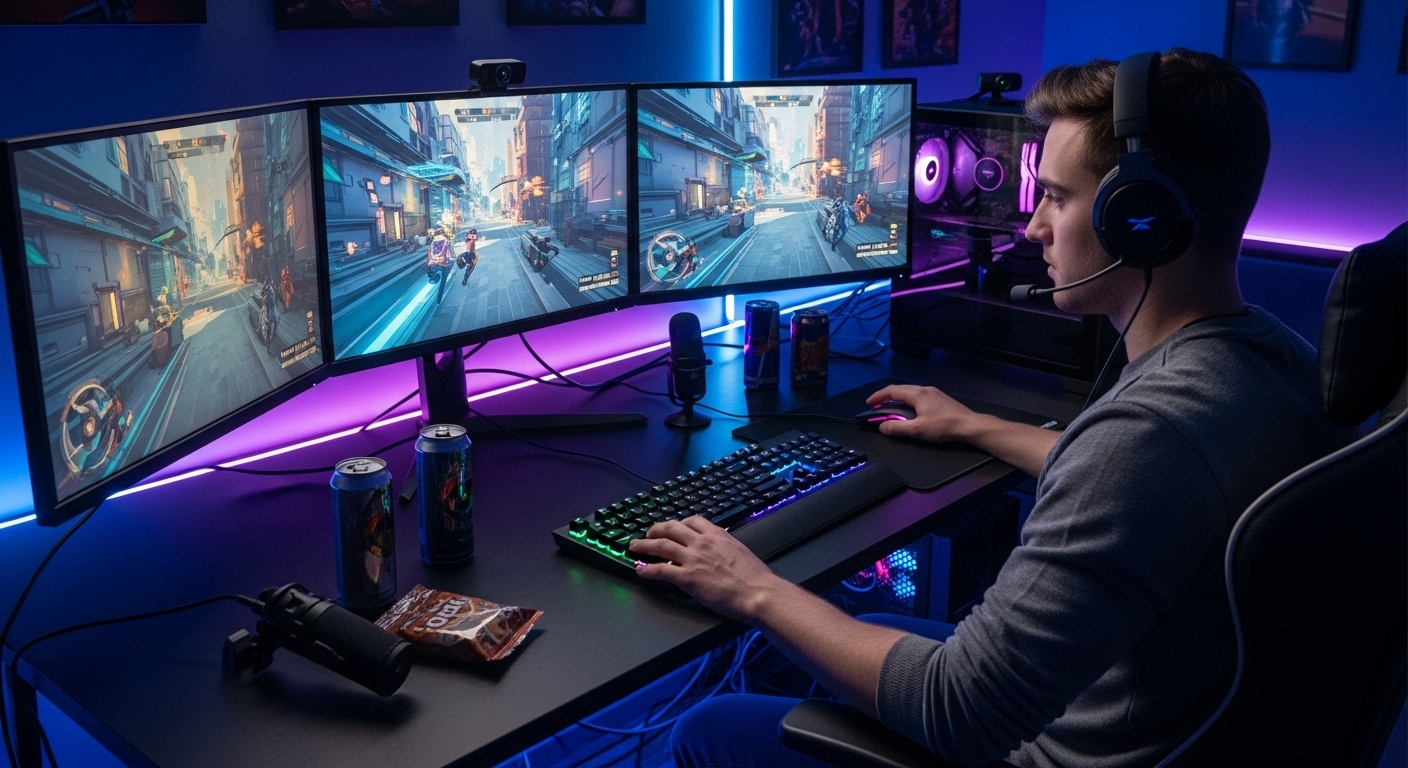
Gaming has come a long way since the days of arcade machines and pixelated screens. With technology advancing rapidly, the gaming experience has evolved into something that goes far beyond simply playing a game. Today, gamers are immersed in dynamic worlds, competing in real-time, and sharing experiences with people across the globe. In this post, we’ll explore how gaming has changed over the years, its impact on culture, and where it’s headed in the future.
The Humble Beginnings: From Arcade to Console
In the early days of video gaming, the experience was limited to basic mechanics and simple graphics. The 70s and 80s introduced the world to games like Pong and Space Invaders, which were built on rudimentary technology. These arcade games were the forerunners of the gaming industry, drawing in players with their addictive gameplay rather than their graphical fidelity.
As technology improved, home consoles like the Atari 2600 and the Nintendo Entertainment System (NES) made gaming accessible to a larger audience. These systems brought games like Super Mario Bros. and The Legend of Zelda into living rooms, becoming cultural touchstones for a generation of players. It was clear that gaming was not just a passing fad; it was a revolution that was reshaping entertainment.
The 3D Revolution: A New Dimension of Gaming
The 1990s saw the introduction of 3D graphics, marking a seismic shift in how games were designed and played. Titles like Super Mario 64 and The Legend of Zelda: Ocarina of Time pushed the boundaries of what was possible on consoles. Suddenly, players could explore vast, open worlds, experience complex storylines, and engage in fully three-dimensional gameplay.
This era also saw the rise of PC gaming with the advent of powerful graphics cards and games that demanded more processing power. Half-Life, Quake, and Warcraft were among the first games that truly showcased the power of 3D graphics and multiplayer capabilities. The expansion of the internet also allowed for online multiplayer gaming, changing the way people interacted with games and each other.
The Age of Online Multiplayer and E-Sports
As the internet became more ubiquitous, online multiplayer gaming flourished. Games like World of Warcraft, Counter-Strike, and Halo were not only fun to play solo but became huge social experiences. Gamers could connect with friends and strangers from around the world, forming communities, competing in tournaments, and sharing their achievements.
One of the most significant developments in this period was the rise of e-sports. Competitive gaming moved from casual fun to organized tournaments, with professional players earning sponsorships, prizes, and recognition. Games like League of Legends, Dota 2, and Fortnite became central to the e-sports industry, drawing millions of viewers and creating a whole new avenue for professional gaming.
Immersion and Virtual Reality: The Future of Gaming
Today, gaming is not just about playing a game—it’s about being part of a living, breathing world. Virtual reality (VR) and augmented reality (AR) are taking gaming to new heights by immersing players in 360-degree environments. With VR headsets, players can now feel as though they’re standing inside a game, interacting with objects, and experiencing the action firsthand.
Titles like Beat Saber, Half-Life: Alyx, and No Man’s Sky VR are examples of how VR is reshaping the gaming experience. These games leverage immersive technologies to offer a level of engagement that traditional gaming platforms simply can’t replicate. Meanwhile, AR games like Pokémon GO allow players to blend the real world with the virtual, adding an additional layer of interaction and excitement.
The potential for VR and AR in gaming is immense. As the technology continues to improve, it’s likely that the lines between the physical and digital worlds will blur even further, creating gaming experiences that were once only imaginable in science fiction.
Gaming as a Cultural Phenomenon
Gaming is no longer a niche hobby—it’s a mainstream cultural phenomenon. Video games are now a billion-dollar industry, with major titles like Grand Theft Auto V, Minecraft, and Call of Duty selling millions of copies worldwide. The influence of gaming can be seen in movies, television, music, and even fashion.
The rise of game streaming platforms like Twitch and YouTube has given gamers the ability to showcase their skills, share their experiences, and build communities. Live-streaming has made gaming a spectator sport in its own right, allowing millions of people to tune in and watch their favorite players compete or simply enjoy casual gameplay.
Beyond entertainment, gaming has also played a role in education, therapy, and social change. Serious games are being used to teach everything from history to mathematics, while therapeutic games are helping people manage stress, anxiety, and even physical rehabilitation. Gaming has shown that it can have a profound impact on how we learn, heal, and connect with each other.
The Road Ahead: What’s Next for Gaming?
As we look ahead, the future of gaming holds incredible promise. With advancements in artificial intelligence, machine learning, and cloud gaming, we’re on the verge of experiencing games that adapt to our preferences in real-time, offering more personalized and immersive experiences. The rise of cloud gaming platforms like Google Stadia and Xbox Cloud Gaming suggests that gaming could become more accessible, allowing players to enjoy high-quality games on a variety of devices without needing powerful hardware.
One of the most exciting possibilities is the continued development of the metaverse—an interconnected virtual universe where gaming, social interaction, and entertainment converge. Companies like Meta (formerly Facebook) are investing heavily in creating virtual worlds where people can live, work, and play in ways that were once unimaginable.
Conclusion: Gaming for the Future
From simple arcade machines to sprawling digital universes, gaming has come a long way. It has transcended entertainment to become a global cultural force, impacting how we socialize, learn, and express ourselves. As technology continues to evolve, so too will the gaming experience, offering new ways for us to explore, create, and connect.
For both casual players and dedicated fans, the future of gaming holds limitless potential. One thing is certain: gaming will continue to push the boundaries of what’s possible, and we’ll all be along for the ride.