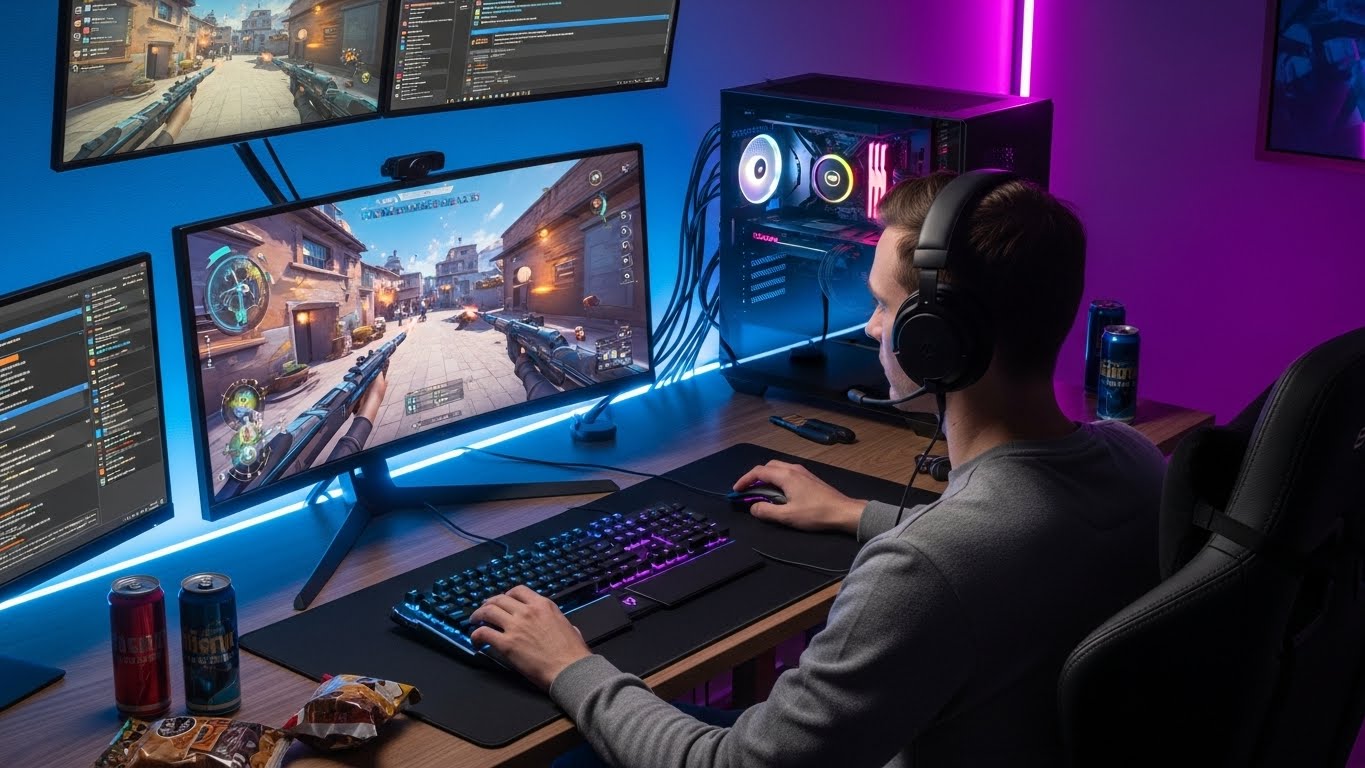
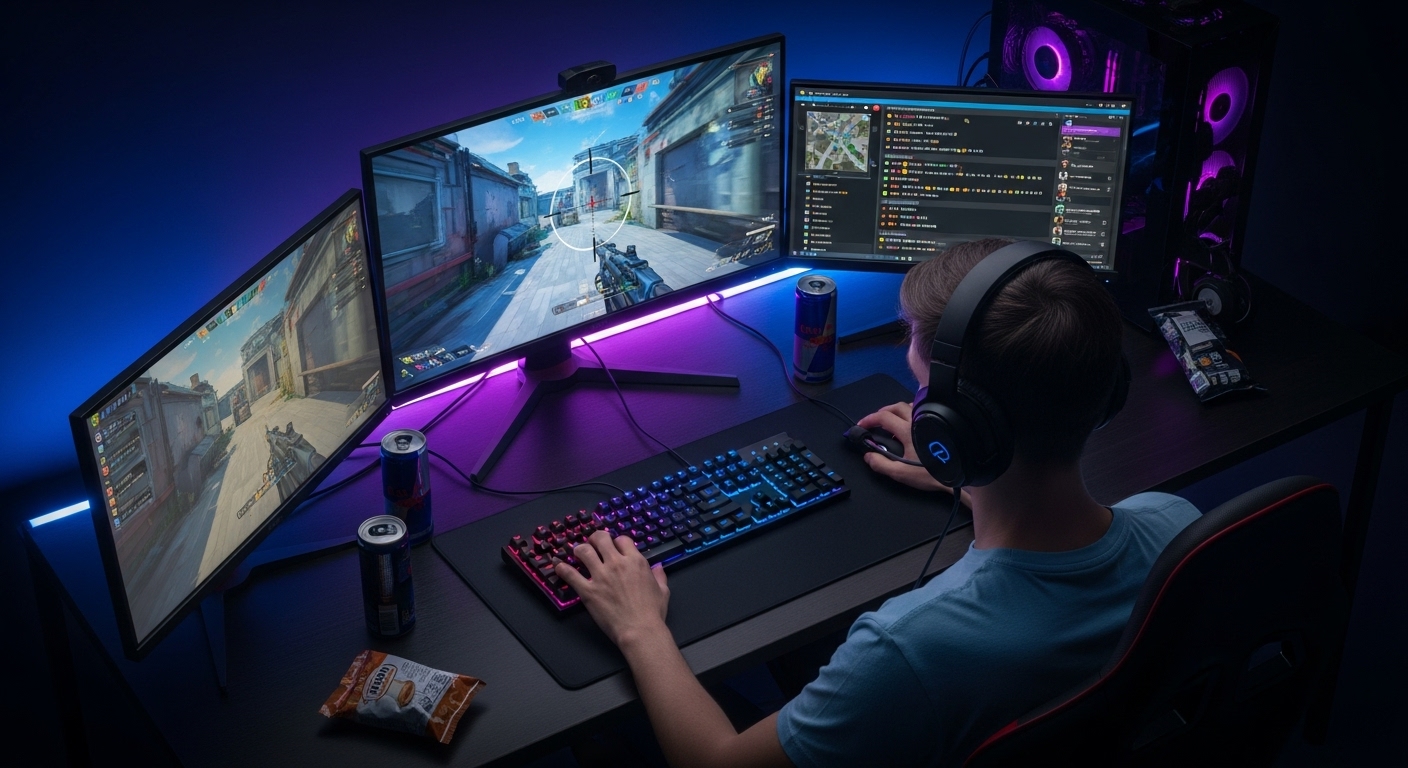
Gaming has evolved from a niche hobby into a massive cultural phenomenon that spans the globe. What started as a simple pastime with basic graphics and rudimentary mechanics has transformed into an immersive, complex industry that touches almost every aspect of modern life. Whether you’re a casual player or a dedicated enthusiast, gaming offers something for everyone, and its impact on society continues to grow.
In this blog post, we will explore the evolution of gaming, the rise of online communities, the influence of gaming on popular culture, and the exciting future that awaits.
The Birth of Gaming: From Arcades to Consoles
The origins of gaming can be traced back to the 1970s with the advent of arcade machines. Early games like Pong and Space Invaders laid the foundation for what would eventually become a thriving global industry. These simple games, while lacking in graphics and complexity, captivated players with their addictive gameplay. Arcade machines became central to social spaces, sparking the first real gaming communities.
As technology advanced, the transition from arcade machines to home consoles marked a significant moment in the gaming world. The Nintendo Entertainment System (NES) and the Atari 2600 allowed players to experience their favorite games in the comfort of their own homes. This shift made gaming more accessible to a wider audience and set the stage for the explosion of gaming culture that followed.
The Rise of 3D Worlds: A New Dimension in Gaming
The 1990s introduced a revolutionary change in gaming: the shift from 2D to 3D environments. Consoles like the Sony PlayStation and the Nintendo 64 brought with them a wave of games that introduced fully realized 3D worlds. Titles like Super Mario 64, The Legend of Zelda: Ocarina of Time, and Final Fantasy VII took advantage of 3D technology to immerse players in expansive, interactive worlds.
This new era of gaming not only changed the way games were designed but also how players interacted with them. The level of depth in the gameplay, from exploring vast landscapes to solving intricate puzzles, elevated gaming to an entirely new level. It was no longer just about reaching the end of a level—it was about experiencing a world that felt alive and real.
Online Gaming: Connecting the World
The early 2000s saw the rise of online multiplayer gaming, a development that would change the gaming landscape forever. With the widespread availability of high-speed internet, games like World of Warcraft, Halo 2, and Call of Duty introduced players to the concept of connecting with others across the globe. Online gaming allowed people to form communities, compete against each other, and share their experiences in ways that were previously impossible.
This connected world of gaming brought with it a new set of challenges. The need for stable servers, constant updates, and a seamless multiplayer experience pushed developers to innovate like never before. As online multiplayer games grew in popularity, they began to shape gaming culture. Esports emerged as a legitimate competitive field, with millions of dollars in prize money and a dedicated fanbase around the world.
Mobile Gaming: The Future in Your Pocket
In the past decade, the explosion of mobile gaming has brought gaming to an even broader audience. The rise of smartphones and tablets has made it possible to game anytime, anywhere. Mobile games like Candy Crush, Clash of Clans, and Pokémon GO have captured the attention of casual gamers, introducing millions of people to gaming who might not have otherwise considered themselves gamers.
Mobile gaming has changed the way games are monetized as well. Free-to-play games, which offer in-game purchases for cosmetic items or boosts, have become the norm. This business model has allowed games to reach a wider audience while continuing to generate significant revenue. Mobile gaming’s accessibility has made gaming an even more integral part of our daily lives.
The Cultural Influence of Gaming
Gaming has become a key element of popular culture, influencing music, movies, fashion, and even politics. Iconic characters like Mario, Link, and Lara Croft have become household names, and video game franchises like The Legend of Zelda, Super Mario, and Grand Theft Auto have become cultural touchstones. Gaming has moved beyond the screen, inspiring films, TV shows, comic books, and even music videos.
This influence is not just limited to pop culture. The themes explored in video games, such as heroism, morality, and social justice, have sparked important conversations. Games like The Last of Us and Red Dead Redemption 2 have earned recognition for their complex storytelling, tackling real-world issues with a depth rarely seen in other forms of entertainment.
Additionally, gaming has fostered communities that extend beyond the game itself. Platforms like Twitch and YouTube have allowed gamers to share their experiences with a global audience, leading to the rise of gaming influencers who have amassed millions of followers. These influencers have become celebrities in their own right, bridging the gap between gaming and mainstream entertainment.
The Future of Gaming: Virtual Reality and Beyond
Looking to the future, gaming is poised for even greater innovations. Virtual reality (VR) is one of the most exciting developments in gaming, offering players the chance to immerse themselves fully in the game world. With VR headsets like the Oculus Rift and PlayStation VR, players can now experience games in a way that was once thought impossible. The level of immersion provided by VR could completely redefine how we play, offering new ways to interact with game worlds and characters.
Another emerging trend is cloud gaming, which allows players to stream games directly to their devices without needing expensive hardware. Services like Google Stadia and Xbox Cloud Gaming are making it possible for gamers to play high-quality games on almost any device, eliminating the need for powerful consoles or PCs. This could lead to an even more accessible gaming experience, where anyone with an internet connection can enjoy the latest titles.
In addition to VR and cloud gaming, the rise of artificial intelligence (AI) and procedural generation could push the boundaries of game design. Games could become even more dynamic, with worlds that change and evolve based on player actions. AI-driven characters could offer more complex interactions, making the virtual worlds we explore feel even more lifelike.
Gaming as a Form of Art
Over the years, gaming has increasingly been recognized as a legitimate form of art. The intricate worlds, compelling narratives, and emotional depth of modern games demonstrate the creativity and innovation involved in their development. Just as films, books, and music are celebrated for their ability to convey complex ideas and emotions, video games are now being acknowledged for their capacity to tell stories in unique and impactful ways.
Games like Journey, The Last of Us, and Bioshock Infinite are just a few examples of titles that have been praised not only for their gameplay but also for their ability to evoke deep emotions and provoke thought. This recognition is helping to reshape the perception of gaming, proving that it’s not just about entertainment—it’s about creating experiences that resonate with players on a personal level.
Conclusion: Gaming’s Endless Possibilities
The world of gaming has come a long way from its arcade roots. It has evolved into an influential and immersive medium that brings people together, sparks creativity, and challenges the boundaries of what we thought was possible. From simple pixelated graphics to the hyper-realistic, interconnected worlds of today, gaming continues to captivate audiences worldwide.
As technology advances, the future of gaming looks even more promising. Virtual reality, cloud gaming, and AI-driven experiences all point to a future where games are more immersive, accessible, and dynamic than ever before. Gaming will continue to shape culture, foster community, and push the limits of entertainment, offering endless possibilities for both players and developers alike.
The power of play is not just about escaping reality—it’s about creating new realities, experiencing new worlds, and forging connections that transcend the screen. Gaming has become much more than a pastime; it’s a global force that will continue to evolve and inspire for years to come.