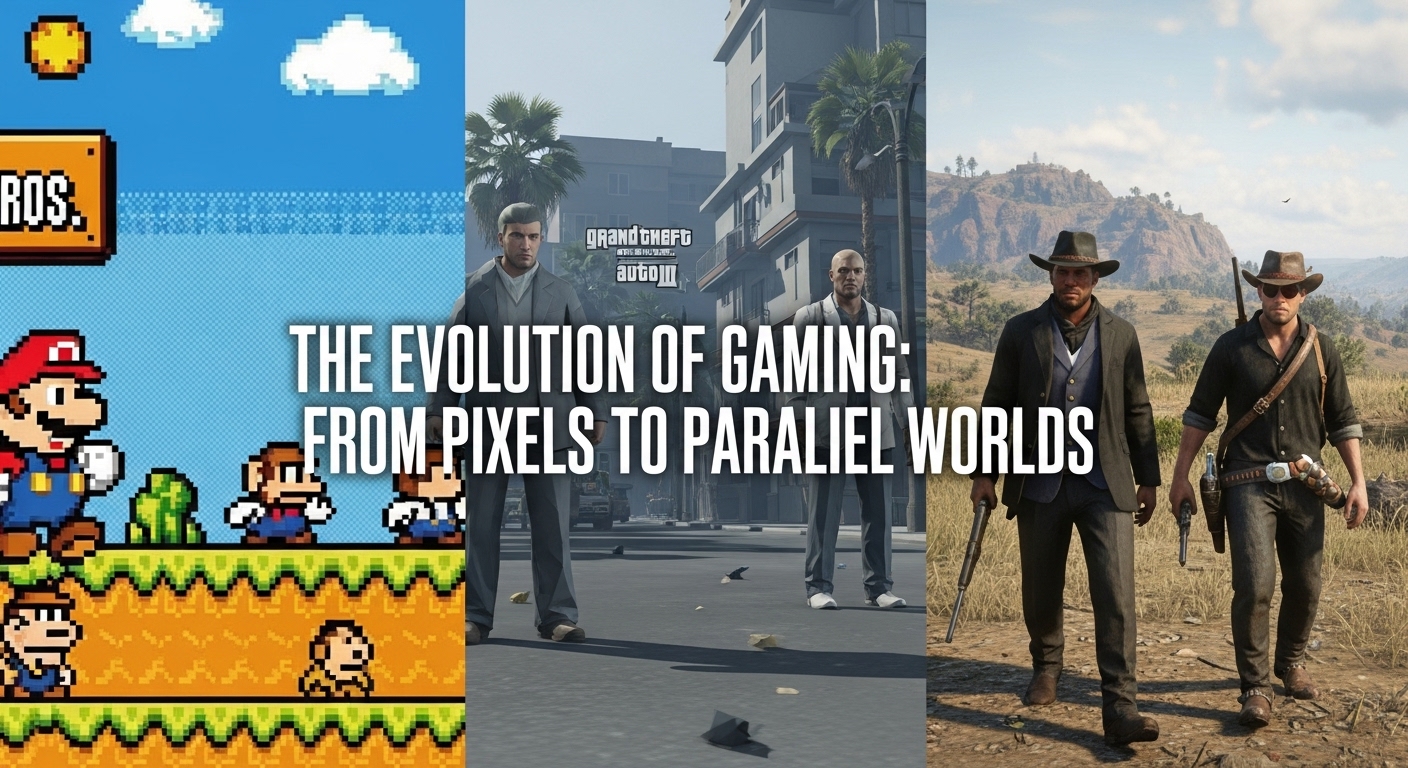
Introduction: The Evolution of Play
Gaming has evolved from a simple pastime into one of the most influential industries in modern culture. What started as a few blinking pixels on a screen has now become an immersive universe of interactive art, storytelling, competition, and community. From the early days of arcade machines to the expansive open worlds of today, gaming reflects not only technological progress but also human creativity and imagination. It is no longer just entertainment; it is culture, career, and connection.
The Early Days of Gaming
In the 1970s, video games were born in labs and arcades. Titles like Pong, Space Invaders, and Pac-Man defined the first generation of gamers. These were simple games, often limited to a few colors and basic mechanics, yet they carried the charm of innovation. People lined up at arcades, feeding coins into machines just to beat their own high scores. The 1980s then brought gaming into homes with consoles like the Atari 2600 and Nintendo Entertainment System (NES). Suddenly, children could experience adventures in their living rooms. It was a new kind of storytelling — one that allowed participation instead of passive watching.
The Rise of Consoles and the Console Wars
The 1990s marked a massive leap forward. Gaming became a household activity, and consoles became more advanced. The rivalry between Nintendo and Sega created what fans call the “Console Wars.” Each brand fought fiercely to dominate the market, producing iconic games that are still remembered today. Sega had Sonic the Hedgehog, while Nintendo had Super Mario, Zelda, and Metroid. These franchises didn’t just sell games — they built fan communities and cultural legacies.
Then came Sony’s PlayStation, which changed everything. The PlayStation used CDs instead of cartridges, offering more storage and higher-quality graphics. It also introduced cinematic storytelling with games like Final Fantasy VII, which blended art, music, and narrative in ways never seen before. By the end of the 1990s, gaming had evolved from a niche hobby into a mainstream entertainment medium.
The Revolution of PC Gaming
While consoles dominated living rooms, PCs began to shine as powerful gaming machines. In the early 2000s, PC gaming introduced titles that became legends — Half-Life, The Sims, Counter-Strike, and World of Warcraft. The modding community allowed players to alter or create entirely new content, leading to the birth of fan-made games and new genres. PCs also gave rise to online multiplayer gaming, where players around the world could compete or collaborate in real-time. The internet turned gaming from a solo experience into a global social activity.
The Age of Online Gaming
When broadband internet became accessible, the gaming world changed forever. Online gaming became the new frontier. Titles like Halo 2, Call of Duty, and World of Warcraft connected millions of players across continents. Communities formed, friendships were made, and rivalries grew. Online gaming also gave rise to the concept of digital identity — avatars, clans, and gamer tags became ways for players to express themselves.
At the same time, social aspects of gaming expanded. Voice chat, in-game communication, and streaming platforms allowed players to share experiences beyond gameplay. Gaming was no longer about sitting alone with a controller; it was about belonging to a worldwide network of people who shared the same passion.
The Rise of Esports
By the 2010s, gaming had transformed into a professional sport. Esports tournaments began filling stadiums, and professional gamers started earning salaries, sponsorships, and fame comparable to athletes. Titles like League of Legends, Dota 2, Counter-Strike: Global Offensive, and Overwatch became global phenomena.
Esports introduced structure and legitimacy to gaming as a career. Teams, coaches, analysts, and organizations began operating much like those in traditional sports. The competitive nature of esports demanded discipline, strategy, and teamwork — proving that gaming was more than just play. It was a skill-based pursuit with real-world rewards.
Gaming as Art and Storytelling
Beyond competition, gaming evolved into a powerful medium of storytelling and artistic expression. Modern games combine visuals, sound design, music, and writing to evoke emotion and explore complex themes. Games like The Last of Us, Red Dead Redemption 2, and Journey tell stories that rival films in depth and impact.
Unlike traditional media, games allow players to interact with the story — to make choices that affect outcomes. This interactivity creates a sense of ownership and emotional engagement that no movie or book can replicate. For example, role-playing games (RPGs) let players shape their characters, explore vast worlds, and make moral decisions that define their journeys. In doing so, gaming becomes a mirror for human behavior, reflecting how we react to conflict, choice, and consequence.
The Power of Immersion: Graphics and Technology
Technological advancements have pushed gaming visuals to astonishing levels. Realistic lighting, detailed environments, and lifelike animations make modern games feel almost indistinguishable from reality. Graphics engines like Unreal Engine and Unity empower developers to craft breathtaking worlds filled with dynamic weather, reflections, and physics.
But immersion isn’t just about visuals. Sound design, haptic feedback, and adaptive triggers add layers of realism. Virtual Reality (VR) and Augmented Reality (AR) take immersion even further, allowing players to physically step into the world of the game. Whether exploring ancient ruins, flying through space, or surviving a zombie apocalypse, gaming technology continues to redefine what’s possible.
The Growth of Indie Games
While big studios produce massive blockbusters, independent developers — or “indies” — have proven that creativity matters more than budget. Games like Celeste, Hollow Knight, Undertale, and Stardew Valley demonstrate how small teams can create masterpieces through passion and innovation.
Indie games often focus on unique art styles, storytelling, or experimental gameplay. They explore personal themes like mental health, loneliness, and identity — topics that large studios might avoid. This freedom has made indie gaming a vital part of the industry, providing fresh ideas and keeping creativity alive.
Mobile Gaming: Entertainment in Your Pocket
With the rise of smartphones, gaming reached an even wider audience. Mobile games like Angry Birds, Clash of Clans, and Candy Crush became cultural icons. Later, more complex mobile titles like Genshin Impact and PUBG Mobile showed that phones could deliver console-like experiences.
Mobile gaming’s success lies in accessibility. Anyone with a phone can be a gamer. This democratization brought gaming to millions who might never buy a console or gaming PC. It also opened new markets in developing countries, further expanding the gaming community.
The Role of Streaming and Content Creation
Gaming today is not just about playing; it’s also about watching. Platforms like Twitch and YouTube turned gaming into a form of live entertainment. Streamers and content creators became celebrities, building communities of millions. They entertain, teach, and connect with viewers in real time.
This trend changed how games are marketed and consumed. Some players discover new titles not through ads but by watching their favorite streamer play them. Developers now design games with streaming and shareability in mind, integrating features that encourage social interaction.
The Psychology of Gaming
What makes gaming so addictive and fulfilling? At its core, gaming taps into fundamental human desires — challenge, achievement, exploration, and connection. Games provide a sense of progress through levels, rewards, and mastery. They give instant feedback, motivating players to improve.
Moreover, gaming can serve as an escape from stress, a creative outlet, or even a form of therapy. Studies have shown that gaming can enhance cognitive skills, problem-solving abilities, and hand-eye coordination. Cooperative games teach teamwork, while strategic ones sharpen decision-making. Of course, balance is key — excessive gaming can lead to issues, but moderate play can enrich life in many ways.
Gaming Communities and Culture
The gaming community is one of the most diverse and passionate in the world. Online forums, fan art, cosplay, and conventions celebrate this culture. Events like E3, Gamescom, and PAX bring gamers together to share excitement and ideas.
Gaming has also become a bridge between generations. Parents who grew up with early consoles now share games with their children, creating new bonds. Games can connect people across languages and borders, fostering understanding and friendship in ways few other mediums can.
Diversity and Representation in Gaming
In recent years, the gaming industry has made significant strides toward inclusivity. Developers are creating games with diverse characters, stories, and perspectives. Representation matters — when players see themselves reflected in a game, it deepens emotional connection and broadens empathy.
Games like Life is Strange, Horizon Zero Dawn, and Spider-Man: Miles Morales feature protagonists from various backgrounds and experiences. This shift encourages more people to participate in gaming — not just as players, but as developers, writers, and designers.
The Business of Gaming
Gaming is now one of the most profitable industries in the world, surpassing both music and film combined. Revenue comes not only from game sales but also from microtransactions, subscriptions, and merchandise. Companies like Sony, Microsoft, and Nintendo dominate the hardware market, while publishers and developers compete to create the next hit franchise.
However, the business side of gaming also raises questions about ethics — loot boxes, pay-to-win mechanics, and monetization strategies have sparked debates. As gaming continues to grow, balancing profit with player satisfaction remains a challenge.
The Future of Gaming
What lies ahead for gaming? The future looks both exciting and unpredictable. Artificial Intelligence promises smarter NPCs and more dynamic worlds. Virtual Reality may evolve into fully immersive experiences. Cloud gaming could eliminate the need for expensive hardware, allowing players to stream games instantly from any device.
We might also see more integration between gaming and other industries — education, fitness, and even mental health therapy are embracing gamified systems. The line between real and virtual worlds will continue to blur, giving rise to new forms of play and connection.
The Social Impact of Gaming
Beyond entertainment, gaming has become a platform for change. Charity streams raise millions for global causes. Games are used in education to teach subjects like history and science in interactive ways. Virtual simulations train professionals in fields like medicine and engineering.
Gaming also provides comfort and community. For people facing isolation or mental health challenges, online games can be a space to connect, share, and heal. It’s proof that gaming’s influence goes far beyond the screen.
Challenges Facing the Industry
Despite its success, the gaming industry faces significant challenges. Toxic behavior in online spaces, crunch culture among developers, and issues of accessibility continue to affect the community. Developers are working to create safer, more inclusive environments for players and employees alike.
Another challenge is preserving gaming history. As technology changes, older games risk disappearing. Fortunately, digital preservation efforts and remasters are helping to keep classic titles alive for future generations.
Gaming as a Lifestyle
Today, gaming is not just an activity — it’s a lifestyle. It influences fashion, language, music, and even social media. From esports jerseys to gaming-inspired streetwear, gaming aesthetics have entered mainstream culture. Gamers identify themselves proudly, sharing achievements, collectibles, and setups as personal expressions of identity.
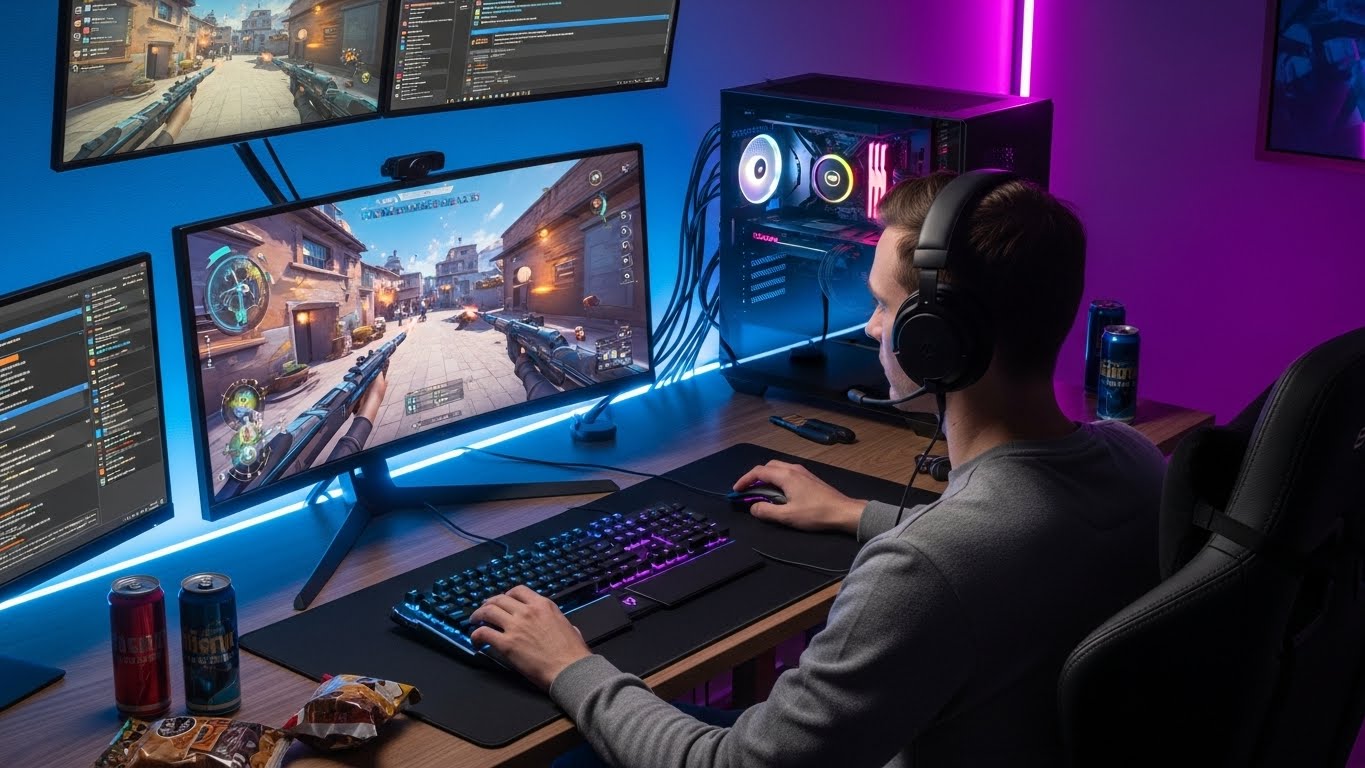
Streaming setups, RGB lights, and gaming chairs are now symbols of creativity and comfort. The modern gamer doesn’t fit a single stereotype — they can be a child, a parent, a professional, or a retiree. Gaming belongs to everyone.
Conclusion: More Than a Game
Gaming has traveled a long journey — from pixelated beginnings to vast digital universes. It has shaped generations, broken boundaries, and united people across the world. At its heart, gaming is about imagination — the ability to create, explore, and connect. It’s proof that play is not just for children; it’s a fundamental part of being human.
As technology continues to advance, the possibilities are endless. Whether through a console, PC, or phone, gaming will always find new ways to inspire and entertain. It reminds us that within every pixel lies a story, a challenge, and a spark of human creativity that will never fade.